For more than a decade of supplying relatively cleaner and reliable power to the national grid, Karpowership says it is in advanced discussions with the Government for an extension of its Power Purchase Agreement (PPA) beyond 2027.
The company indicates that negotiations are progressing steadily and remain positive, as it seeks to continue playing a critical role in country’s energy mix.
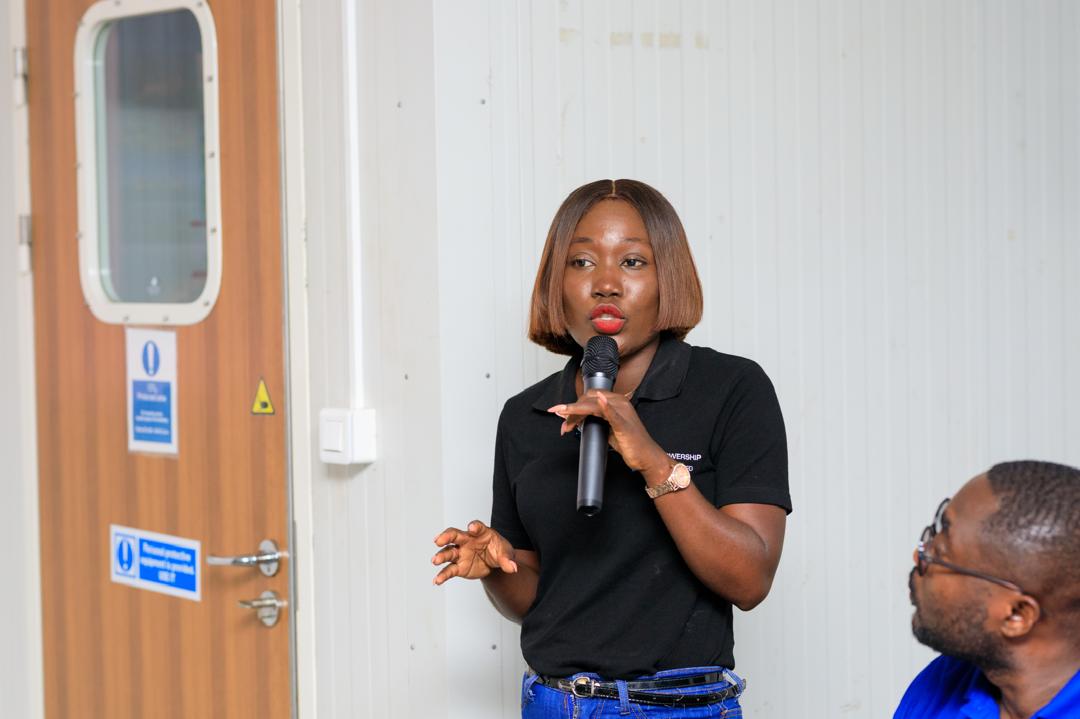
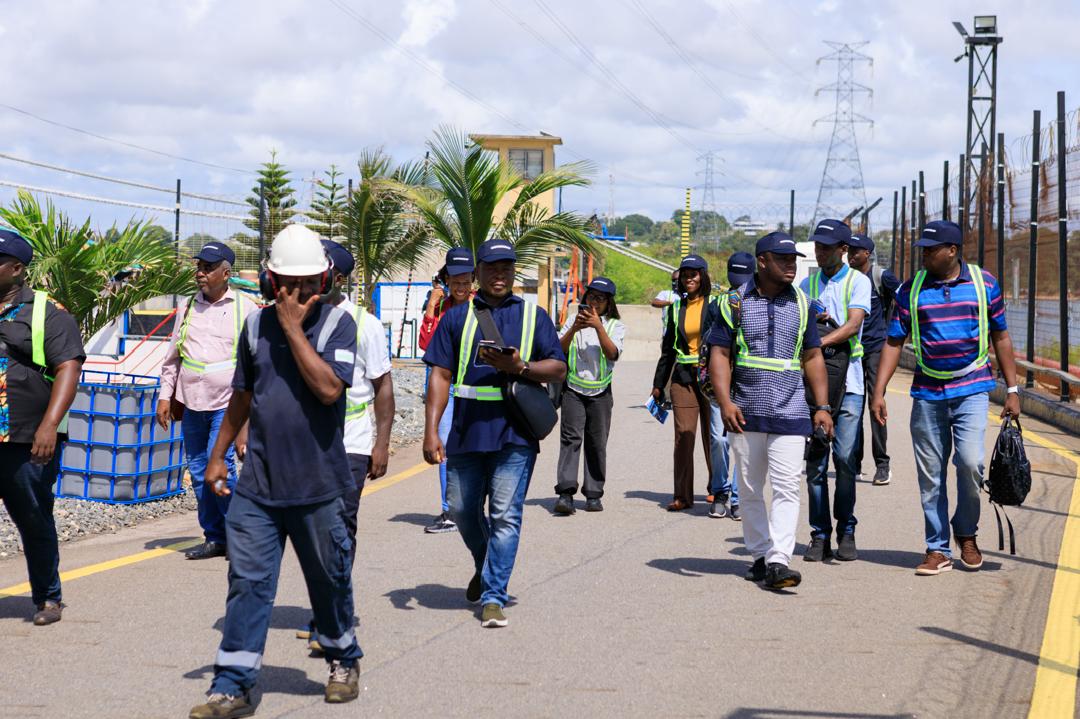
The Corporate Communications Manager of Karpowership, Sandra Amartikar Amarquaye, disclosed this at the end of a media tour of the company’s powership in Sekondi in the western region.
“We are currently in discussions for an extension of the agreement. Negotiations are ongoing and the outlook is positive. Beyond the current contract period, we are optimistic about continuing our operations in Ghana,” she added.
She explained that extending the agreement would allow the company to deepen its contribution to the country’s industrialisation drive and support growing electricity demand.
“As economies grow and populations expand, demand for power increases. In Ghana, demand has been growing at about 8 to 10 per cent annually,” she said.
This she said, creates space for private sector participation to support government efforts in meeting energy needs.
She stressed further that sustained investment in the energy sector required strong collaboration between the public and private sectors.
“Government alone cannot meet all the investment needs, so private sector participation is necessary for sustained socio-economic development,” she added.
She noted that Ghana’s policy direction in recent years had improved the investment climate in the power sector.
“Over the past years, we have seen significant independent power producer participation compared to two decades ago. This reflects improved policy direction and a more competitive environment,” she said.
“Transparency in power procurement and payment structures is also key to attracting and sustaining investment in the sector.”
She further indicated that payments due the company had been stable adding that so far, receivables from government have been consistent and impressive.
On sustainable fuel supply, she noted the importance of upstream partners in ensuring steady power generation.
“We have seen upstream gas suppliers like ENI play a critical role, and this collaboration across the value chain is essential,” she said.
On corporate social responsibility, Ms Amarquaye said the company had made significant investments in its host communities.
“Wherever we operate, we consider ourselves part of the community,” she said.
“We have invested significantly in our host communities, starting from Tema and now in Sekondi.”
She said the company’s social interventions were aligned with global development goals.
“Our corporate social responsibility initiatives align with Sustainable Development Goals Four and Five, focusing on quality education and gender equality,” she said.
“We have renovated schools, provided scholarships and implemented mentorship programmes.”
She added that the company was currently implementing a targeted initiative to empower women.
“Currently, we are running a ‘Women on Board’ internship programme aimed at empowering young women and promoting gender equality in the energy sector,” she said.
Karpowership has been operating in Ghana since 2015, when it commenced power generation from Tema.
In 2019, the company relocated its operations to the Sekondi Naval Base to take advantage of natural gas resources in the Western enclave, a move it said had improved operational efficiency.
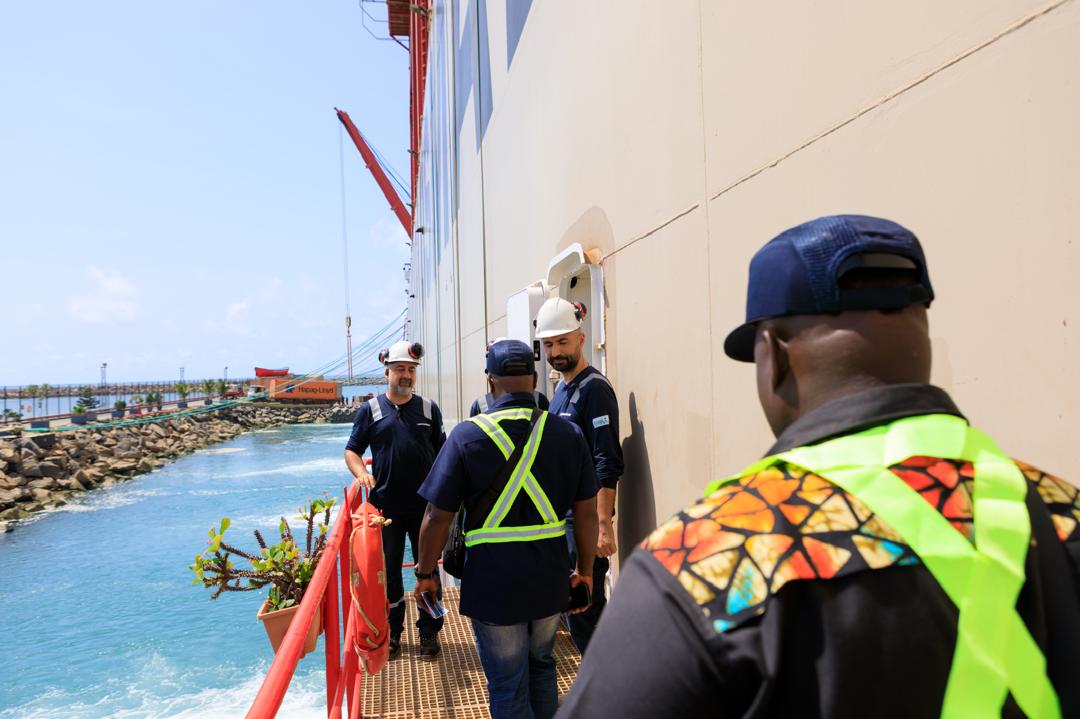
The Technical Manager for Europe and Africa at Karpowership, Semih Sehin, said the company remained committed to supporting African countries with tailored energy solutions.
He said the company was satisfied with its operations in Ghana and viewed the continent as a key growth area.
“Africa is fast becoming a home for us, and we are happy to support its development,” he said.
Mr Sehin added that Karpowership stood ready to provide reliable and cleaner energy to support economic growth across the continent.
He noted that many African economies required uninterrupted power supply to sustain industrialisation and improve livelihoods.
The media tour formed part of efforts by the company to enhance transparency and public understanding of its operations.
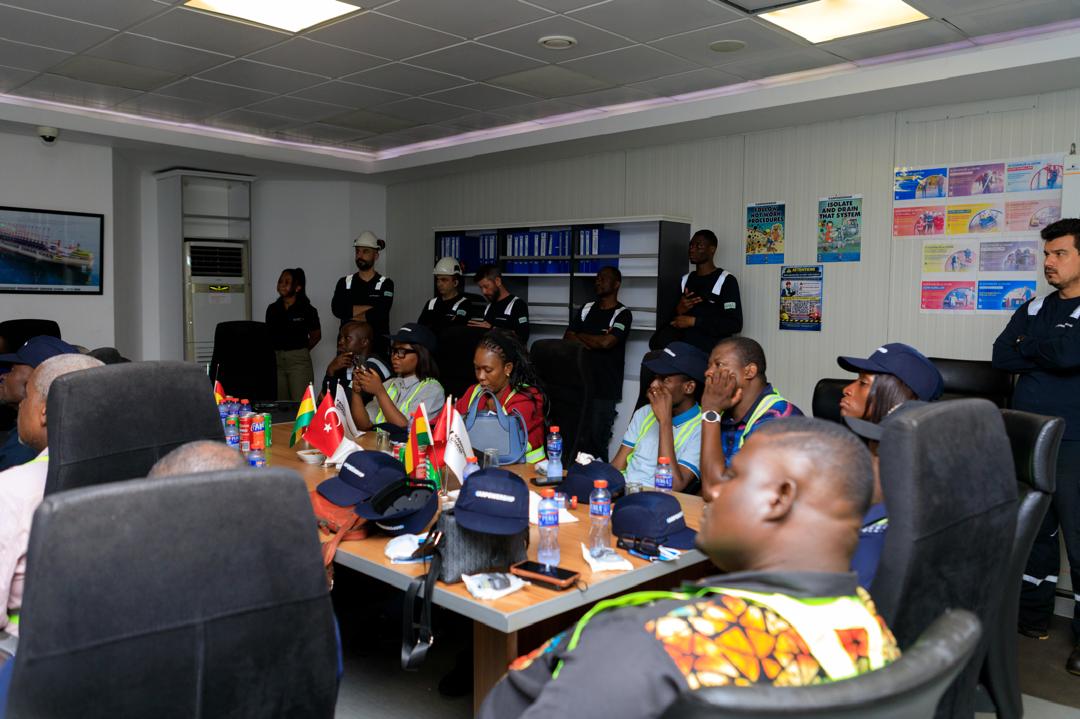
Journalists were taken through key sections of the powership, including the control room, where real-time operations are monitored.