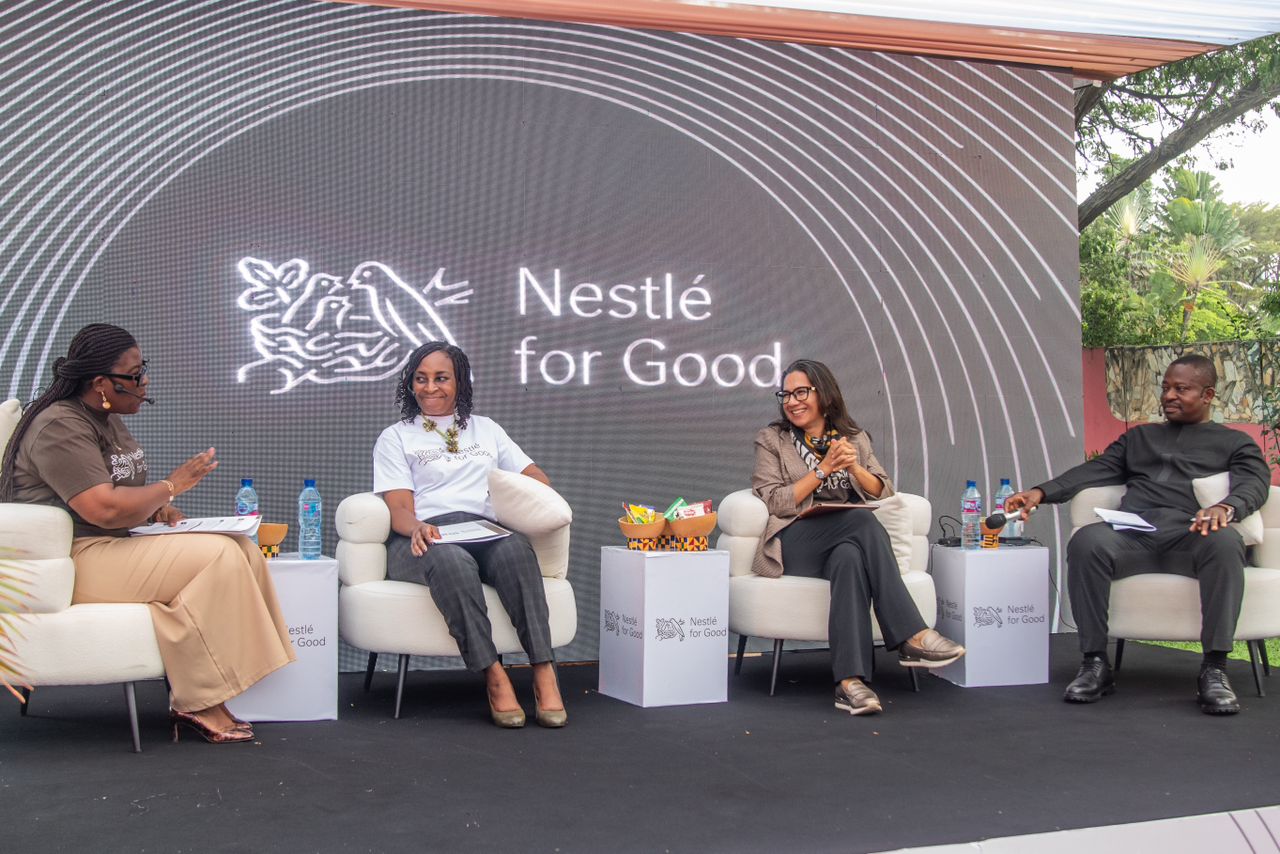
Nestle Ghana has launched a new corporate initiative, dubbed Nestle for Good, anchored on three pillars, nutrition, communities and the planet, as part of efforts to deepen its social impact and sustainability drive in the country.
At the launch, on Wednesday at the head office in Accra, the Managing Director, Salomé Azevedo, said the programme was designed to go beyond products and focus on improving lives.
“It’s not just about our products; it’s about how we use them to do good, we must keep that at the centre of our production,” she said.
On nutrition, she stressed the company’s commitment to ensuring equitable access to quality food.
“Access to quality nutrition must be democratic. It is a responsibility for us, and it is the right of every consumer,” she stated.
She expressed concern about persistent issues concerning micronutrient deficiencies, particularly among children in the country and the drive to ensure that products are tailored to include fortified nutrients.
“About 60% of children under five still suffer from iron deficiency. That is six out of 10 children. It affects their ability to focus in school and has long-term implications for productivity,” she explained.
To address this, she noted that Nestlé continues to prioritise food fortification.
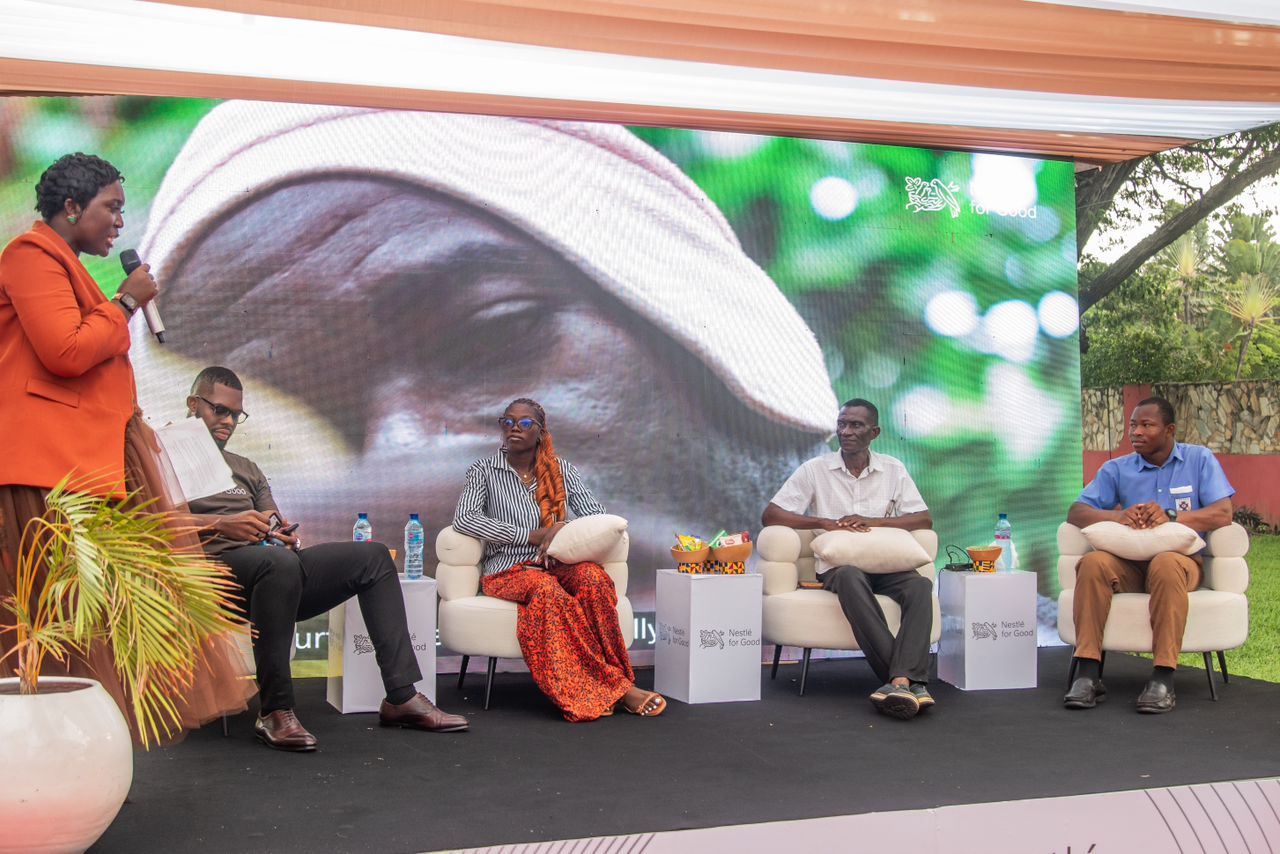
“We try not to lose any opportunity to fortify for the nutrients that matter,” she said, adding that the company delivers about 2.5 billion fortified servings annually in Ghana.
Under the community’s pillar, the company is scaling up support for farmers and families.
“In Ghana alone, we support about 18,000 farmers. We help them adopt best practices, improve productivity and increase income”, she noted.
She added that Nestlé’s interventions also target social issues such as child labour.
“We monitor child labour and support families to enrol their children in school,” she said.
The company’s income accelerator programme, she explained, provides direct incentives to farmers.
“We give about €500 to families if they do the right things, such as sending their children to school or adopting sustainable farming practices. We are not buying cocoa with that money; we are supporting behaviour change,” she noted.
Under the planet pillar, the Nestle has at its Tema factory, solar panels covering more than 16,000 square meters and generating solar energy that provides 30 percent of their day time needs thus supporting efforts to reduce emissions.
The company also supports waste segregation efforts by sorting plastics that helps improve collection and contribute to reducing plastic pollution.
The initiative also includes programmes to develop young talent. Each year, 52 students are recognised under the President’s Awards scheme, while graduates are offered practical industry exposure.
“We create opportunities for students to gain hands-on experience, especially in manufacturing and engineering, so they are better prepared for employment,” she said.
Patricia Ekaba, head of Corporate Communications and Public Affairs; Consumer Engagement Services, Nutrition, Health & Wellness, and Sustainability described the programme as the company’s largest campaign in Central and West Africa.
“It starts with communities, focuses on nutrition and extends to protecting the planet and ensuring business sustainability,” she said.
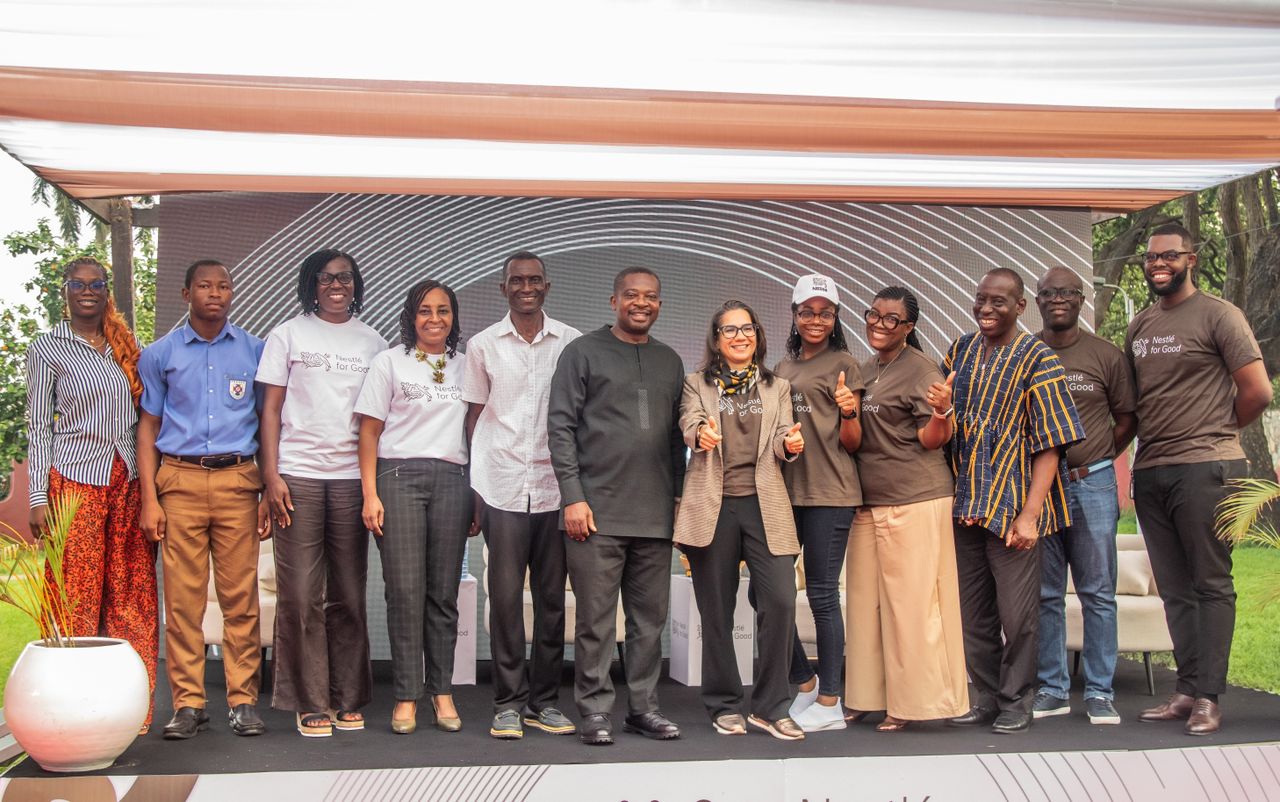
She emphasised that the initiative was also about transparency and consumer awareness.
“When people pick a Nestlé product from the shelf, it is important they understand the bigger ecosystem behind it, that it is produced in a responsible way,” she said.
She expressed hope that the programme would inspire collective action.
“We want society, consumers and stakeholders to understand what we are doing and be encouraged that together, we can do more,” she added.
Chief Commercial Officer and Director of Industries at the Ministry of Trade, Agribusiness and Industry, Mr Kofi Addo, commended the initiative, noting that it aligns with government’s industrialisation agenda.
“Corporate social responsibility must go beyond the brand. We can turn our economy around on the back of value addition,” he said, adding that the ministry would support Nestlé to “grow from grace to grace.”