Mobile Money Fintech Limited (MMFL) is turning its attention to a new frontier in Ghana’s digital finance space—nurturing young app developers straight out of school to transform innovative ideas into practical solutions that address real market challenges.
The move, according to the company, is part of a broader strategy to deepen digital financial inclusion, expand usage of mobile money platforms, and reduce the economy’s heavy reliance on cash transactions.
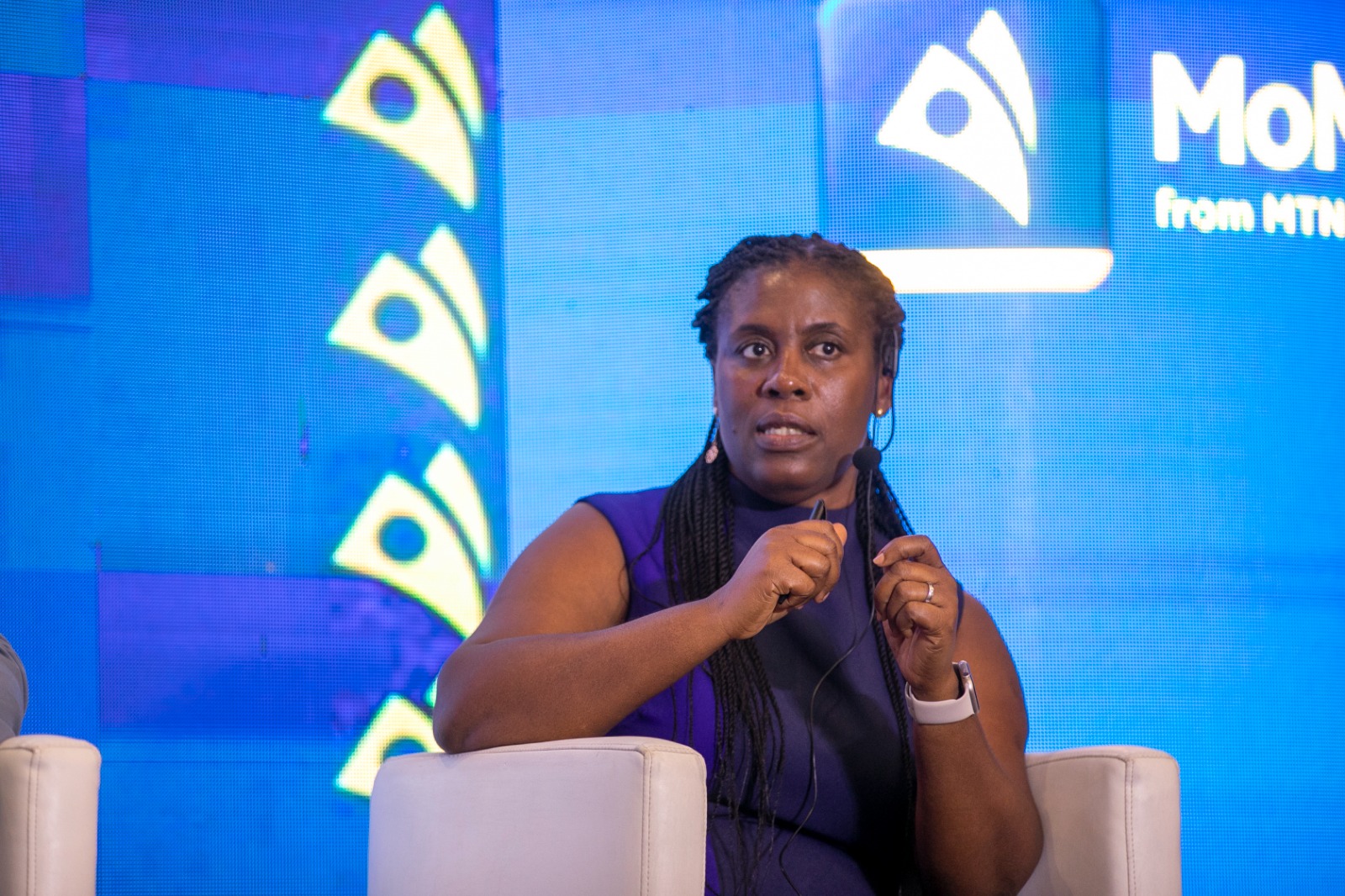
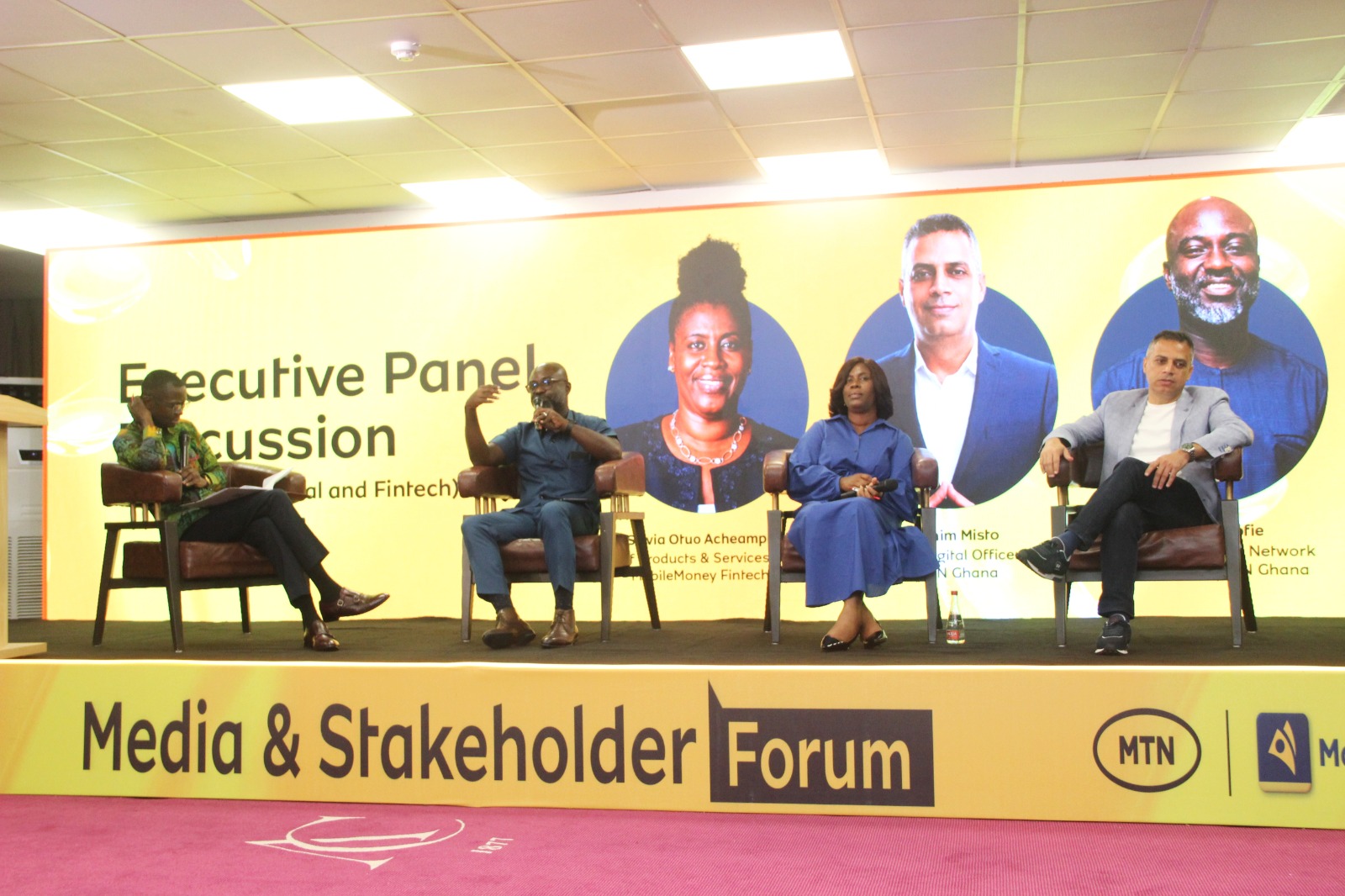
Speaking at the 2026 MTN Ghana Media and Stakeholders Forum in Accra, the Chief Product and Services Officer of MMFL, Mrs Sylvia Otuo-Acheampong, said the company is deliberately targeting young developers who possess strong technical skills but often lack the business knowledge required to scale their ideas.
She explained that while many young innovators are building applications, a gap remains in translating those ideas into solutions that can solve everyday problems within Ghana’s financial ecosystem.
MMFL’s approach, she noted, is to bridge that gap by supporting such developers and integrating their innovations into the broader mobile money ecosystem.
Beyond innovation, Mrs Otuo-Acheampong highlighted a critical challenge facing the digital finance sector—low active usage despite high registration levels.
According to her, while millions of users have signed up for mobile money services, a significant number remain inactive on a daily basis, limiting the overall impact of digital financial services.
“Lots of people are registered and connected, but not active on a daily basis,” she said, adding that growing active subscriber usage—not just registrations—has become a key priority.
She stressed that the next phase of growth for MMFL lies in building an ecosystem that meets the evolving needs of users.
“The focus is on growing the subscriber base and enabling the ecosystem because demands are changing. People want to do new things,” she explained.
Mrs Otuo-Acheampong pointed out that digital payments must go beyond simple peer-to-peer transfers or merchant payments, evolving into tools that address real economic and social challenges.
“Payment is not just about being able to pay a person or merchant, but being able to solve real issues,” she emphasised.
A major area of focus for MMFL is the fast-moving consumer goods (FMCG) sector, where cash handling continues to pose significant operational risks and inefficiencies.
She revealed that the company is engaging major FMCG players, alongside fintech partners and the Bank of Ghana, to explore ways of digitising the entire value chain—from distributors to final retailers.
The goal, she explained, is to eliminate cash transactions within the supply chain and move all payments into the digital space.
“Between FMCGs, fintech, and the Bank of Ghana, we are looking at how to remove cash through the value chain—mopping it up and bringing it all the way to the final retailer onto the digital space,” she said.
Such a transformation, she noted, would not only improve efficiency but also enhance transparency and reduce the risks associated with cash handling.
MMFL’s strategy also places strong emphasis on ensuring that funds remain within the digital ecosystem once they enter mobile wallets.
According to Mrs Otuo-Acheampong, one of the biggest challenges in the sector is the tendency for users to cash out funds due to limited options for spending digitally.
“Ensuring that when the money gets into the wallet, it stays is critical. Everything the wallet owner wants to use the money for should have an avenue within the digital space,” she said.
She explained that when users are unable to complete transactions digitally, they are forced to withdraw cash, only for the same funds to eventually return to the digital system—an inefficiency MMFL is seeking to eliminate.
“If what the wallet owner wants to use the money for is not available digitally, then the person will cash out,” she added.
To address this, the company is working with fintech partners to develop innovative solutions that expand the range of services available within mobile money platforms.
Mrs Otuo-Acheampong stressed the need for all stakeholders within the ecosystem to be intentional in their approach to digital transformation.
“We must be intentional about the digital space. Every entity in the ecosystem should focus on what they need to do to give wallet owners avenues to channel their monies through for all transactions,” she said.
She also underscored the importance of public education in driving adoption, noting that many users are still unfamiliar with how to fully utilise digital financial tools.
“There is a need to educate the public on how to play in the digital space,” she said.
As mobile money continues to play a central role in Ghana’s financial inclusion agenda, MMFL’s strategy signals a shift from simply expanding access to actively driving usage and innovation.
By empowering young developers, digitising key sectors like FMCGs, and expanding digital payment options, the company is positioning itself to shape the next phase of Ghana’s digital economy—one where convenience, efficiency, and innovation redefine how money moves across the country.