For many expectant mothers living with HIV, pregnancy no longer means their babies are destined to be born with the virus.
Improved access to prevention services and treatment has enabled thousands of women across Ghana to give birth to HIV-free babies. However, the country’s efforts to eliminate mother-to-child transmission are not yet complete.
The latest national HIV estimates indicate that despite high coverage of the Prevention of Mother-to-Child Transmission (PMTCT) programme, some babies continue to acquire HIV during pregnancy, childbirth or breastfeeding.
Health officials say the continued infections point to gaps in prevention and treatment services that require urgent attention.
Another major concern is the number of children living with HIV who remain undiagnosed or have not been enrolled on life-saving antiretroviral therapy. Without early diagnosis and treatment, these children face an increased risk of severe illness and death.
The Ghana AIDS Commission says it will intensify efforts to close these gaps by expanding HIV testing among pregnant women, strengthening follow-up care for mothers and babies, and ensuring that every child exposed to HIV is tested and linked to treatment as early as possible.
Ghana is also stepping up interventions to achieve the global 95-95-95 targets, which seek to ensure that 95 per cent of people living with HIV know their status, 95 per cent of those diagnosed receive treatment, and 95 per cent of those on treatment achieve viral suppression.
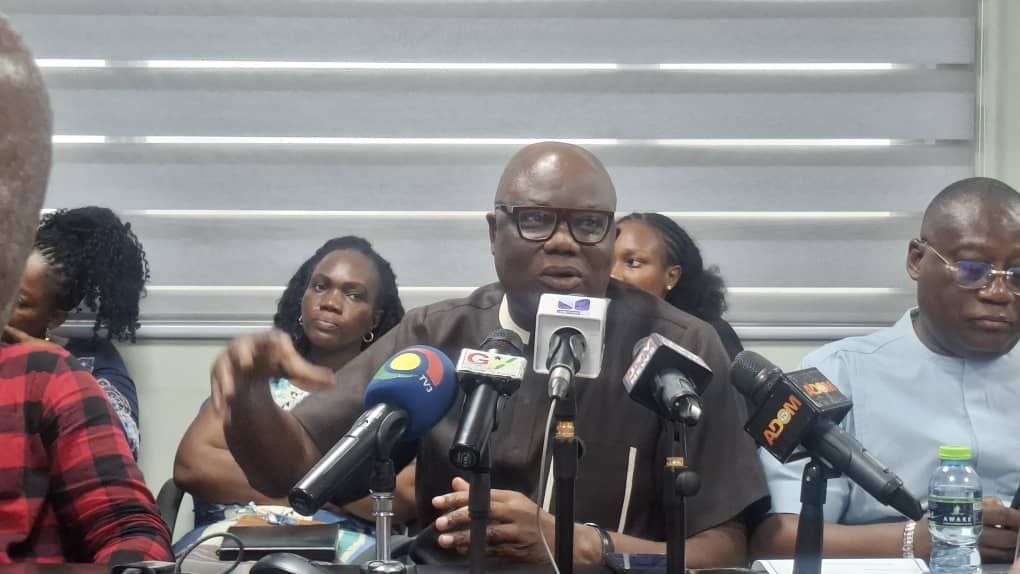
Isaiah Doe Kwao, Director of Research, Monitoring and Evaluation at the Ghana AIDS Commission, expressed concern about the existing gaps during a presentation of the 2025 HIV estimates and projections.
He said Ghana’s current performance on the global 95-95-95 targets stood at 70-81-92.
“So far, for the global 95-95-95 targets, we are doing 70-81-92. We are still having mother-to-child transmission. Even though coverage is high, there are some mothers refusing to take the medication during pregnancy. A number of the children aged 10 to 19 years are also missed from being on treatment. That needs to be looked at,” he stated.
Health experts maintain that eliminating HIV among children is achievable, but requires pregnant women to begin antenatal care early, remain on treatment throughout pregnancy and breastfeeding, and ensure that their babies undergo timely HIV testing and follow-up care.