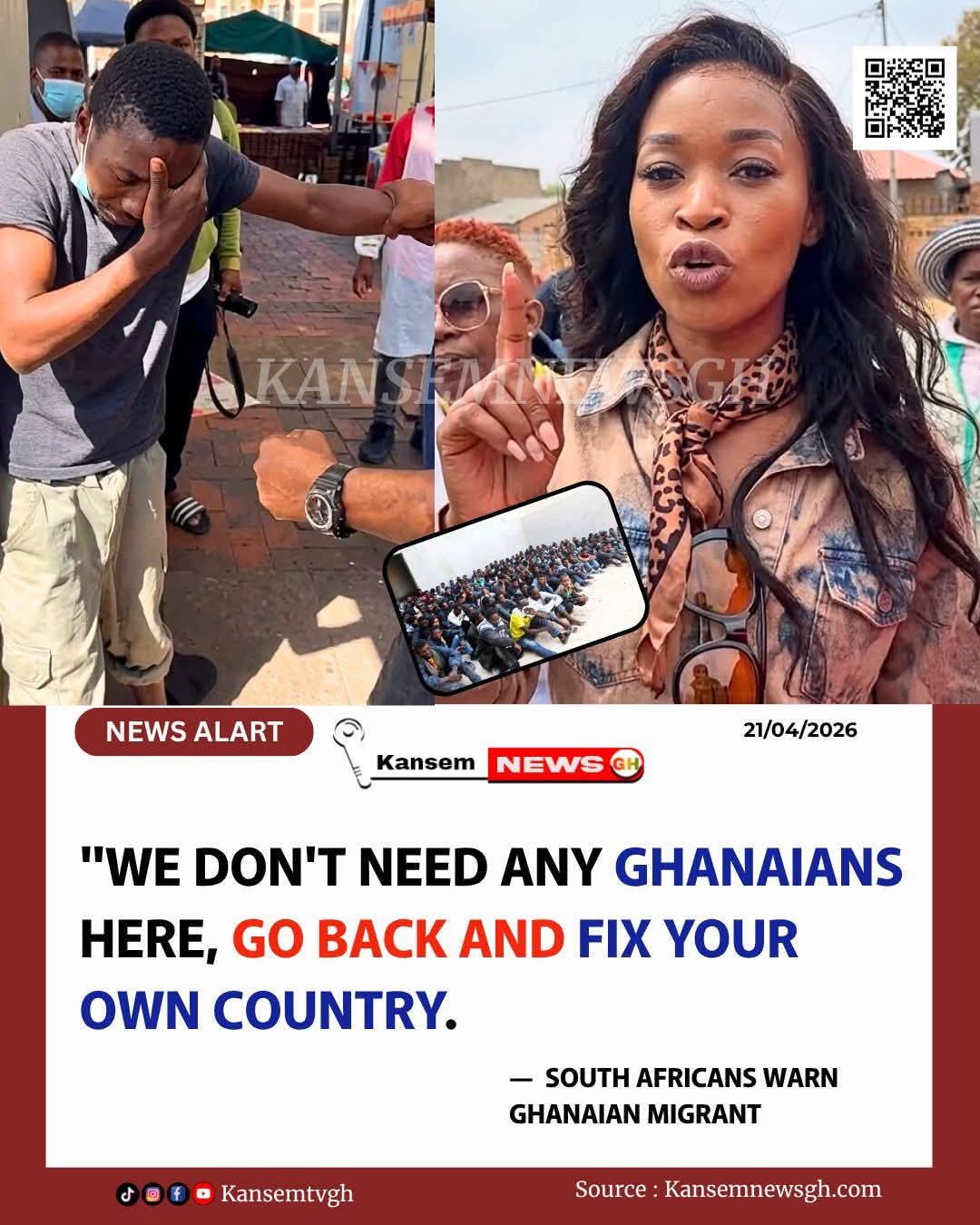
Fresh concerns are mounting over the safety of African migrants in South Africa following a wave of disturbing xenophobic incidents captured in widely circulated videos, with Ghana and Nigeria nationals among those reportedly targeted.
The latest developments have triggered fear, diplomatic engagement, and renewed debate over the treatment of foreign nationals in Africa’s most industrialised economy.
At the centre of the outrage is a viral video showing a tense scene inside a public hospital, where individuals believed to be South African citizens were heard ordering non-citizens to vacate the facility.
“If you’re not a South African citizen, please stand up and leave our hospital,” voices in the footage demanded, as stunned patients and attendants looked on.
The footage has since sparked widespread condemnation, raising serious concerns about access to essential services and the safety of migrants in the country.
The hospital incident is not isolated. Reports from several parts of South Africa point to a resurgence of xenophobic attacks, particularly in the Eastern Cape, where tensions have escalated in recent days.
In the cities of Albany and Buffalo, popularly known as East London, panic has gripped Nigerian residents following protests linked to the installation of a Nigerian national, Solomon Eziko, as Igwe Ndigbo earlier in March.
The coronation has been met with resistance from some local groups, who argue that it undermines South African traditional authority structures.
The backlash has turned violent in some instances.
Videos circulating online show foreign nationals, particularly Nigerians, being harassed, forced to shut down businesses, and in some cases physically assaulted.
In one clip, officials affiliated with a local civic organisation were seen ordering a Nigerian trader to close his shop and leave the country.
In another, groups of protesters marched through streets, compelling foreign-owned businesses to cease operations.
Scenes of panic have also emerged, with migrants seen fleeing for safety as tensions flare.
The situation has raised alarm among Ghanaian residents as well. In Mthatha, a protest scheduled for April 23 has heightened anxiety within migrant communities.
Organisers of the demonstration say it is aimed at demanding job opportunities for South Africans, amid claims that foreign nationals are taking over employment spaces.
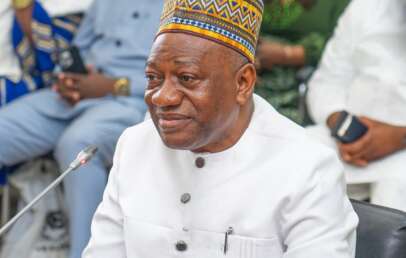
Chairman of the Ghanaian community in Mthatha, Dr Yirenyi Gyekye Darko, confirmed that he had engaged local police authorities, who assured him the protest would be peaceful. However, he advised Ghanaians to remain cautious.
“We have asked our people to stay indoors and not open their shops until about midday, when the situation is expected to normalise,” he said.
According to him, the underlying issue driving the protests is economic frustration, with locals demanding priority access to jobs.
“The demonstrators are calling for priority to be given to South Africans. Their main concern is that foreigners have taken their jobs,” he explained.
Despite these assurances, fear continues to spread among migrant communities, many of whom rely on small businesses and informal trade for survival.
The developments have prompted swift diplomatic action from Ghana.
The Minister for Foreign Affairs, Samuel Okudzeto Ablakwa, confirmed that he had engaged his South African counterpart, Ronald Lamola, in a telephone conversation to address the situation.
According to Mr Ablakwa, the engagement was triggered by the disturbing videos circulating online.
He noted that the discussions focused on ensuring the safety of Ghanaian nationals and coordinating an appropriate response to the unfolding situation.
The intervention underscores the seriousness with which the Ghanaian government is treating the matter, amid growing public concern back home.
Xenophobic violence in South Africa is not new.
Over the years, periodic attacks on foreign nationals—particularly Africans from other countries—have been linked to a mix of economic hardship, unemployment, and social tensions.
Migrants are often accused of taking jobs, undercutting local businesses, or contributing to crime, claims that are widely contested.
However, the recurrence of such incidents continues to raise questions about regional integration and the safety of Africans within the continent.
Observers warn that the latest wave of attacks, if not decisively addressed, could strain diplomatic relations and undermine efforts toward African unity under frameworks such as the African Continental Free Trade Area (AfCFTA).
For many affected individuals, the crisis is deeply personal. Traders, workers, and families who moved to South Africa in search of opportunity now find themselves navigating fear and uncertainty, unsure of their safety or future.
Human rights advocates have called on South African authorities to act swiftly to protect all residents, regardless of nationality, and to ensure that perpetrators of violence are held accountable.
As tensions continue to simmer, the unfolding events serve as a stark reminder of the fragile balance between economic pressures and social cohesion—and the urgent need for leadership that promotes tolerance, inclusion, and respect for human dignity across the continent.