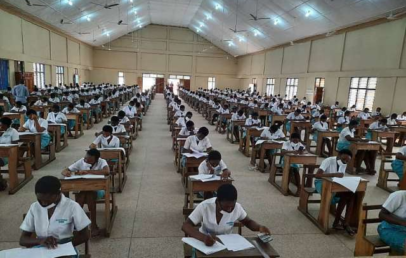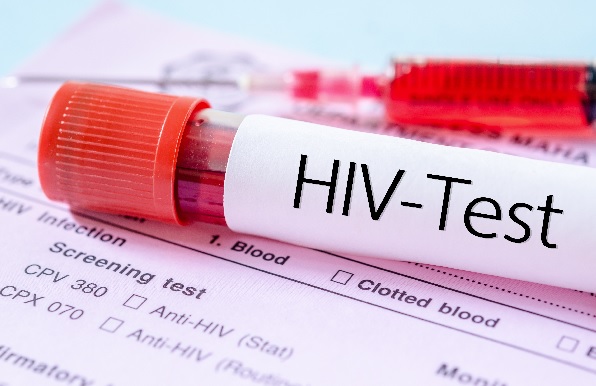
About 1,300 applicants who participated in recent recruitment exercises into Ghana’s security services tested positive for HIV, the Minister for the Interior, Muntaka Mohammed-Mubarak, has disclosed.
The revelation was made when the Minister appeared before Parliament’s Government Assurance Committee on July 7 to account for assurances made by his ministry. He said the figure emerged from medical examinations conducted on more than 100,000 applicants who underwent aptitude and medical screening during the recruitment process.
Mr. Mohammed-Mubarak, however, explained that the affected applicants have not yet been directly informed of their HIV status because of the sensitive nature of the diagnosis.
Instead, he said, applicants were provided with contact information through which they can voluntarily engage officials, receive counselling and undergo orientation before being informed of their test results.
According to the Minister, the approach is consistent with international health protocols.
“Based on the World Health Organisation guidelines, there are certain conditions that you do not simply communicate abruptly. People must first receive appropriate orientation and counselling before they are informed,” he told the committee.
The disclosure prompted concern from the Chairman of the Government Assurance Committee, Dominic Nitiwul, who urged the Interior Minister to take proactive steps to ensure those affected are reached as soon as possible.
Describing the number as “huge and scary”, Mr. Nitiwul stressed that early notification, counselling and treatment would not only improve the health outcomes of those affected but also help prevent further transmission of the virus.
“Please find a way of reaching out to these people because the number is huge and scary,” he said.
The issue was raised after committee member and Member of Parliament for Ahanta West, Mavis Kuukua Bissue, sought clarification on whether applicants who tested positive for HIV or illegal drug use had been contacted for counselling and medical support.
Drawing on his experience as a former Defence Minister, Mr. Nitiwul said similar cases had arisen during previous military recruitment exercises, where affected applicants were privately informed, counselled and referred for treatment.
He warned that failure to notify those who tested positive could inadvertently contribute to the spread of HIV.
“If they are unaware of their status, they may unknowingly infect others. We must ensure they receive counselling and begin treatment as early as possible,” he said.
Mr. Nitiwul also noted that advances in HIV treatment mean individuals diagnosed early can live long and healthy lives.
“HIV is no longer the death sentence it once was. With proper medication, people can live normal lives, have families and eventually reach a stage where they cannot transmit the virus. But that starts with knowing their status,” he added.
Responding to the recommendation, the Interior Minister described the advice as timely and valuable, agreeing that the matter should be treated as a public health priority.
“You are right. This is a public health issue, and it is not something we should overlook because it could expose many innocent people to infection. Your advice is well received, and we will do everything possible to support those who tested positive, particularly through appropriate counselling and care,” Mr. Mohammed-Mubarak assured.