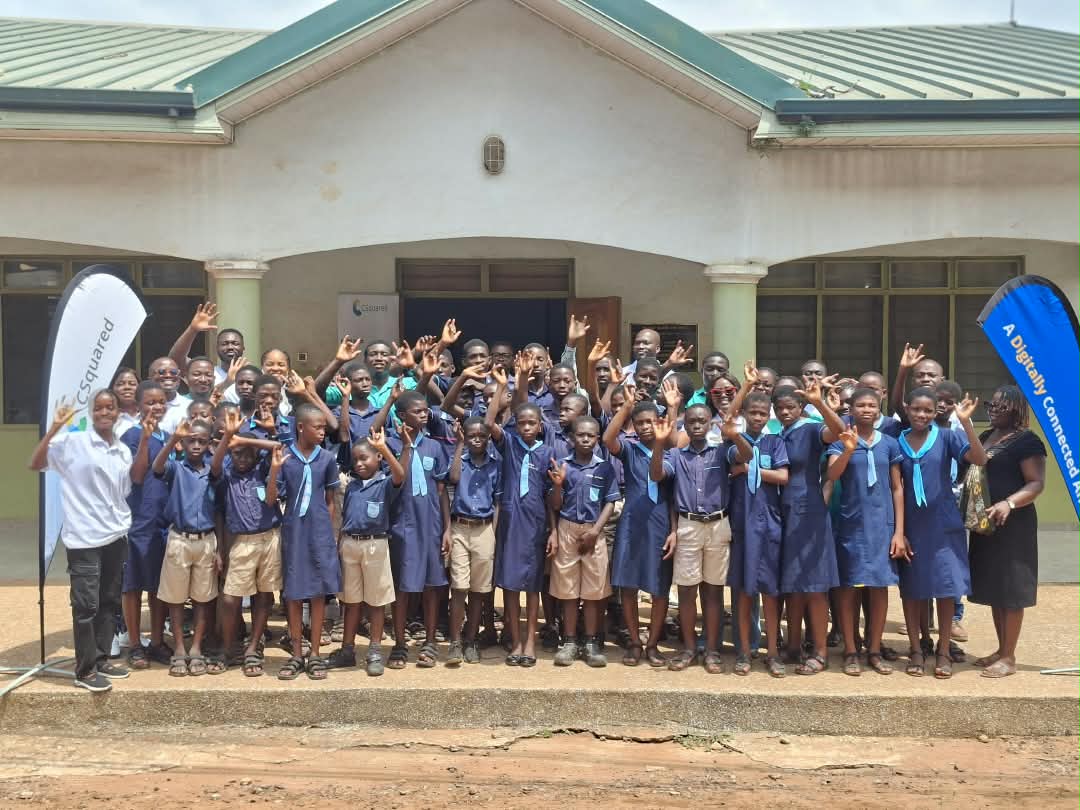
For the second year running, more than 100 students of the Demonstration School for the Deaf at Mampong-Akuapem have undergone training in basic robotics and coding under the Hands-on Signal to Coding Workshop, organised by the Ghana Chamber of Telecommunications in partnership with CSquared Ghana and the Mingo Foundation.
The students received practical tutorials in assembling and testing a smart water-level indicator using Arduino, an open-source platform for creating interactive electronic devices.
Beyond providing hands-on ICT training, the event focused on helping the students develop soft skills such as teamwork, perseverance and practical problem-solving. It also demonstrated how automated technology and visual alerts can be used to improve everyday life.
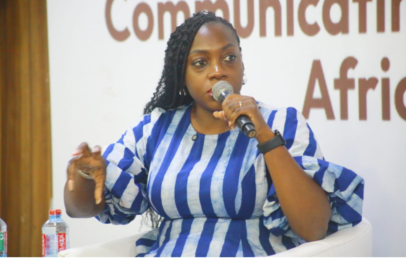
The Chief Executive Officer of the Ghana Chamber of Telecommunications, Sylvia Owusu-Ankomah, explained that the workshop formed part of activities being organised by the Chamber to mark its 15th anniversary and to “bring coding in an inclusive manner to the school of the deaf”.
She said a key objective of the training was to make coding relatable to the children’s real-world experiences and demonstrate how the technology could be incorporated into their daily lives.
She further indicated that the organisers wanted to extend the benefits of technology to the children beyond education to other aspects of the national economy, stressing the importance of “leaving no one behind” and including children with disabilities.
“Every child should have access to basic Scratch, basic technological knowledge and how they are able to apply it to developing their own applications, so whatever the child chooses to do, coding is fundamental to whatever they want to do,” she stated.
The Chief Sales and Marketing Officer of CSquared Ghana, Stephen Gefli, said the company’s involvement in the programme formed part of its corporate social responsibility initiatives. CSquared Ghana is an open-access broadband infrastructure provider.
He described the workshop as “the first step in their journey into thinking innovatively about how they use technology to solve everyday problems”.
He said his interactions with the students had been an eye-opener, expressing admiration for the enthusiasm with which they embraced the lessons.
He consequently called for greater corporate support for persons with disabilities in the country.
The Executive Director of the Mingo Foundation, Diana Nortey, emphasised the importance of including the young learners, who had demonstrated aptitude and enthusiasm for the lessons.
She called on other organisations to identify more persons with disabilities and extend digital learning opportunities to them to help prepare them for the world of work.
She said the foundation’s work at the school complemented the government’s One Million Coders Initiative and expressed optimism that, in time, “we can cover all school-going children in the country”.
The Headmaster of the Demonstration School for the Deaf, Setumte Ametewee, expressed gratitude to the organisers for their partnership with the school and their efforts to bridge the technological gap between his students and their hearing counterparts.
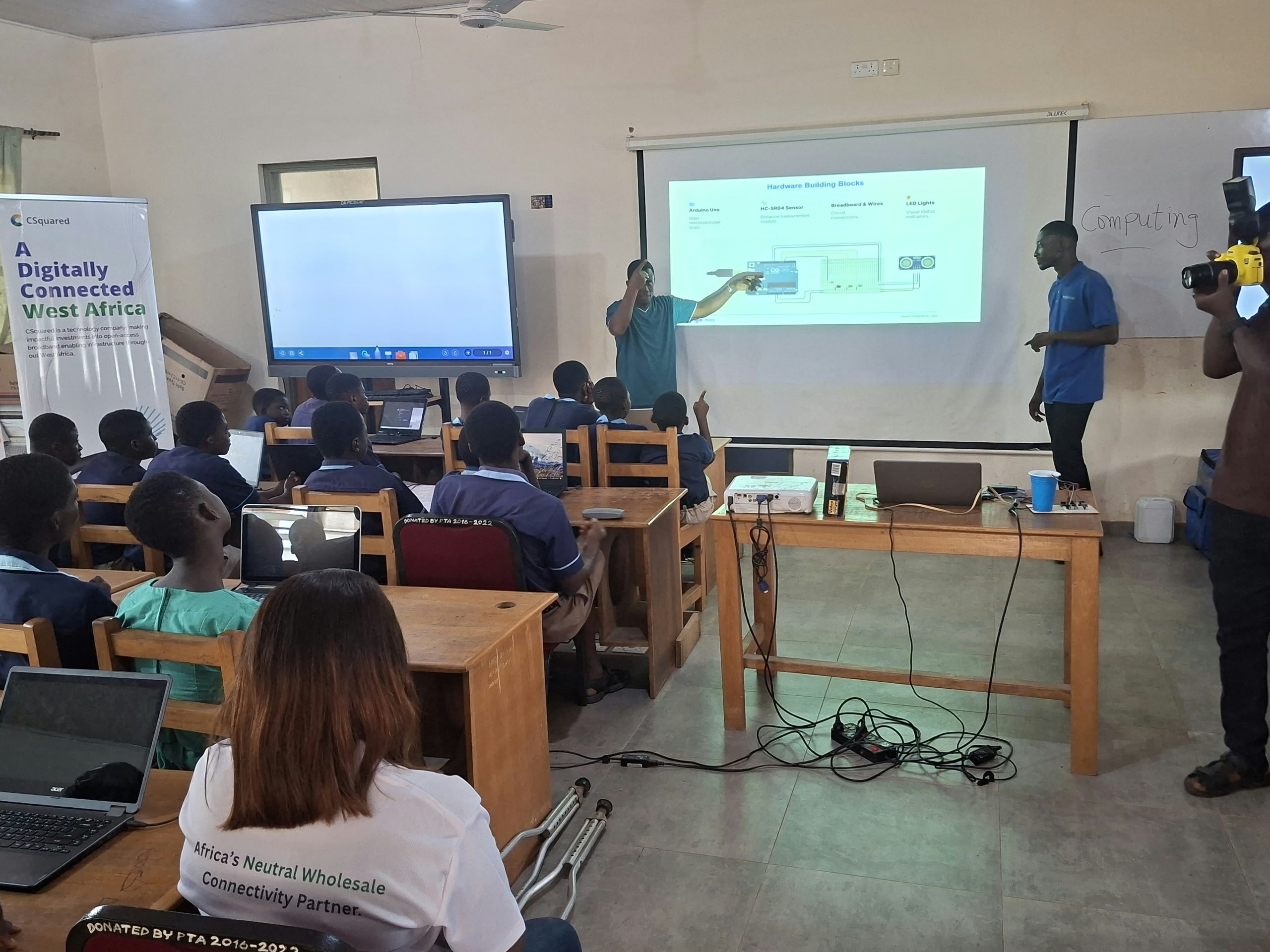
He said that since the partnership between the Chamber, its partners and the school began, the students had shown great enthusiasm for ICT, particularly coding.
“Since last year’s programme, we have tried to have large screens where teachers teach for them to see, so they are kind of curious to make meaning out of it. So, when we get [the Chamber] coming on board with the support and the gadgets, it goes a long way to help us,” he said.
Mr Ametewee noted a growing desire among the students to understand and apply the lessons they had been receiving since the partnership began.
He observed that the programme had had a significant impact on the children, many of whom, he said, had been written off by their communities and families as unproductive and incapable of contributing meaningfully to society.
“Many of these students come from poor backgrounds, and the issue is that parents have difficulty in providing basic things for them. But you see that a lot of them have talent, and you can’t just wish away that talent, so we only need to support them,” he concluded.