Ghana’s efforts to reduce cervical cancer are receiving a boost from the Health Community of West Africa Association, which is working to expand access to Human Papillomavirus (HPV) screening through rapid testing and advanced laboratory diagnosis.
The initiative combines the Essence HPV Rapid Test Kit with Polymerase Chain Reaction (PCR) testing.
It aims to widen access to early detection, particularly for women with limited access to preventive healthcare.
Ghana recorded an estimated 3,072 new cervical cancer cases and 1,815 deaths in 2022.
Persistent infection with high-risk HPV types can cause cervical cell changes and eventually cancer, although most HPV infections clear naturally.
Because HPV often has no symptoms, routine screening is important.
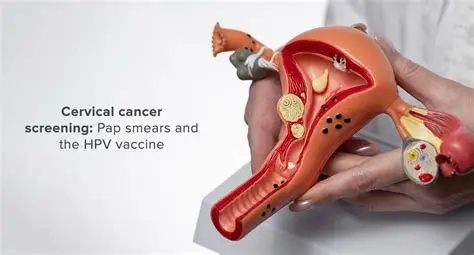
Cervical cancer is largely preventable through vaccination, screening and treatment of precancerous conditions.
Ghana launched a nationwide HPV vaccination programme in October 2025, targeting about 2.4 million girls aged nine to 14.
Vaccination and screening serve complementary roles
vaccination helps prevent infection from HPV types covered by the vaccine, while screening can identify existing infections or cervical abnormalities that need assessment.
Dr Wallace Ashitey Odiko-Ollennu, Programme Manager of the Ghana Health Service’s Non-Communicable Diseases Control Programme, said the rapid test could strengthen screening and early detection.
Speaking at the World Cancer Day celebration in Teshie, he called for the intervention to reach women across the country, with access to appropriate follow-up.
The Essence rapid test uses a cervical specimen to detect the HPV L1 capsid protein and is designed to return results in about 15 minutes.
The initiative also includes PCR testing, which detects HPV genetic material and, depending on the assay, can identify specific high-risk types.
Together, the options are intended to support screening and further clinical investigation.
A positive rapid test does not mean a woman has cervical cancer. It indicates the need for counselling, clinical assessment and further testing or follow-up under established medical protocols.
The Association has partnered with healthcare institutions and community organisations to widen access.
It donated 1,600 boxes of the rapid test kit to the Cervical Cancer Prevention and Training Centre (CCPTC), at Catholic Hospital, Battor, in the North Tongu District of the Volta Region.
The centre provides screening, professional training and capacity development.
The Association has also engaged the Ghana Health Service’s Non-Communicable Diseases Control Programme.
During World Cancer Day activities in February 2025, test kits were donated and women screened.
Further support has included a Ghana Prisons Service health outreach initiative and engagement with the Rotary Club.
Dr Selina Leeward, a palliative medicine specialist associated with the initiative, said stigma, fear and limited awareness can deter women from screening.
The link between HPV and sexual transmission may prompt embarrassment and fear of judgement, she said, but HPV is common and a positive result should not lead to discrimination or shame.
She called for government, health professionals and the media to work together to improve public understanding.
The Association is also advocating community engagement and collaboration with healthcare facilities, churches, schools and women’s groups.
It says a stronger national response will require expanded regional screening, better laboratory capacity, trained professionals, effective referrals and access to counselling and treatment for women who need further care.
Blessing, who took part in a screening exercise, said the service helped her understand the value of knowing her HPV status and taking preventive steps.
She encouraged more women to get screened without fear.
The World Health Organization’s 2030 cervical cancer elimination targets include vaccinating 90% of girls against HPV by age 15, screening 70% of women with a high-performance test by ages 35 and 45, and ensuring 90% of women diagnosed with cervical disease receive appropriate treatment.
By PRINCE OPOKU DOGBEY