The Ghana Gold Board (GoldBod) is investing approximately GH¢36.35 million to reclaim and restore degraded lands within the Tano-Nimri Forest Reserve in what is being described as a major state-led intervention to reverse the devastating environmental impact of illegal mining.
The project, which will initially target 50 hectares of degraded land in Compartment 161 of the reserve, forms part of a broader effort to rehabilitate an estimated 200 hectares of forest land destroyed by galamsey activities.
A breakdown of the project cost shows that the civil engineering component alone will absorb about GH¢27.9 million, covering activities such as backfilling abandoned mining pits, grading damaged landscapes, terrain reshaping, soil compaction and site stabilisation.
An additional GH¢7.2 million has been earmarked for afforestation, vegetation restoration and related authorisation activities over a ten-year period to ensure the long-term recovery of the forest ecosystem.
GoldBod is expected to commit approximately GH¢2.2 million during the initial phase, which will cover works scheduled to commence in 2026 and continue into part of 2027.
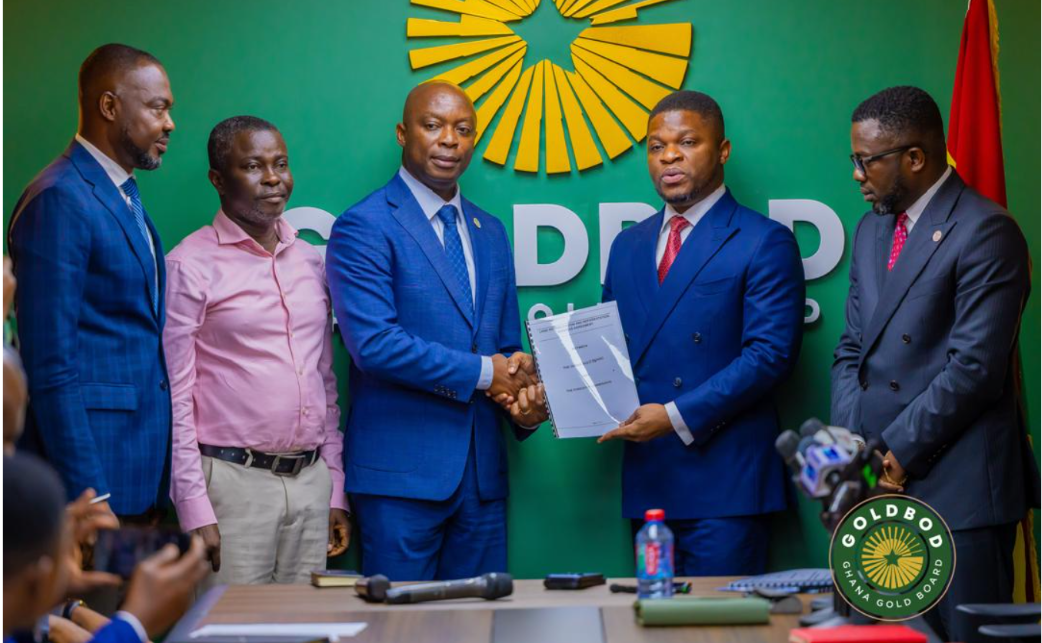
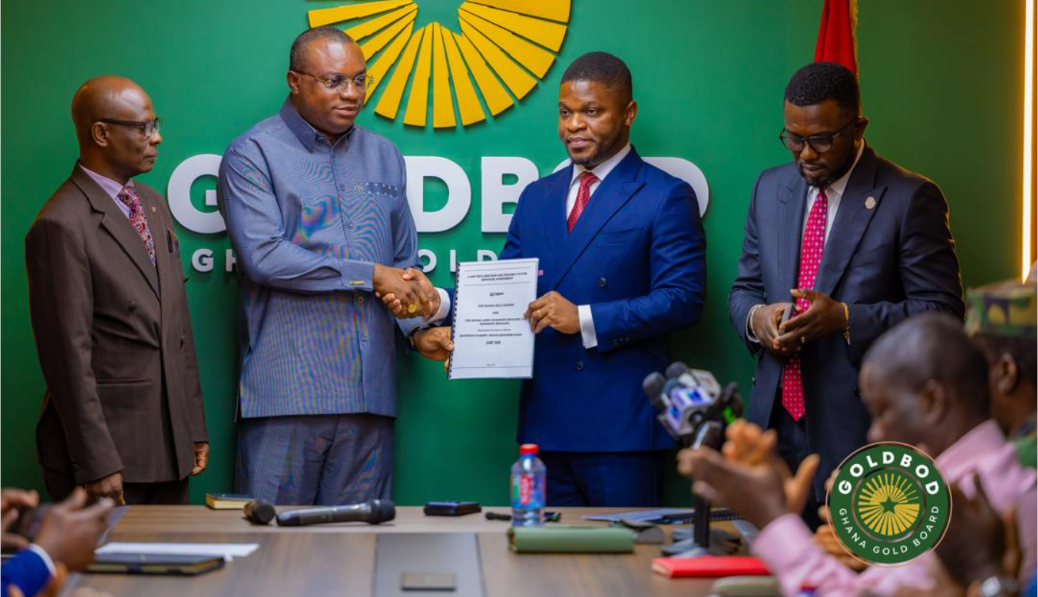
The initiative is being implemented under a tripartite agreement involving GoldBod, the Ghana Armed Forces (GAF) and the Forestry Commission (FC), with the partnership taking effect from July 1, 2026.
Pilot project to reverse environmental destruction
The reclamation exercise is intended to restore ecological integrity to one of Ghana’s forest reserves severely impacted by illegal mining.
Years of uncontrolled mining activities have left large sections of the reserve scarred by abandoned pits, stripped vegetation, unstable landscapes and damaged ecosystems.
The project is therefore designed not only to reclaim land but also to restore the forest’s ability to support biodiversity, protect water resources and contribute to climate resilience.
Officials say the initiative will serve as a pilot programme that could be replicated across other degraded forest reserves throughout the country.
Military engineers to lead rehabilitation works
Under the agreement, the Ghana Armed Forces Engineer Regiment will be responsible for carrying out the civil engineering works required to rehabilitate the damaged landscape.
Speaking at the signing ceremony, GoldBod Chief Executive Officer (CEO), Sammy Gyamfi, explained that the Board had engaged the military engineers through the Ministry of Defence because of their technical expertise, professionalism and ability to execute large-scale engineering projects efficiently.
He noted that joint inspections conducted by GoldBod, the Forestry Commission and the Ministry of Lands and Natural Resources revealed extensive environmental destruction within the reserve, necessitating urgent intervention.
According to him, GoldBod was established by law in 2025 not only to regulate and support Ghana’s gold trading industry but also to promote responsible mining practices and environmental sustainability.
Forestry Commission to drive afforestation
While the military undertakes the engineering rehabilitation, the Forestry Commission will oversee afforestation and ecological restoration efforts.
The Commission will supervise the planting of trees and the regeneration of vegetation to ensure that reclaimed lands are restored to their natural ecological function.
CEO of the Forestry Commission, Hugh Charles Agyeman-Brown, said the partnership represents one of the most practical and action-oriented responses to the challenge of degraded forest reserves.
He disclosed that the Commission had approached several institutions earlier this year regarding reclamation efforts, with GoldBod becoming the first to move beyond discussions and commit significant resources to implementation.
A key feature of the project is the clear separation of responsibilities among the three institutions.
Mr. Gyamfi observed that some reclamation initiatives in the past had been abused and used as cover for continued illegal mining activities.
To prevent such occurrences, the Ghana Armed Forces will focus strictly on engineering rehabilitation, the Forestry Commission will supervise ecological restoration and GoldBod will provide funding and oversight.
This structure, he said, is intended to guarantee transparency and ensure that restoration activities remain genuine and accountable.
Environmental and economic benefits
Beyond restoring degraded lands, the project is expected to generate substantial environmental benefits.
The restoration of forest cover is expected to improve biodiversity, reduce soil erosion, enhance carbon sequestration and protect water bodies threatened by illegal mining activities.
The project is also expected to strengthen Ghana’s climate resilience efforts while demonstrating how natural resource extraction can be balanced with environmental responsibility.
Deputy Minister for Defence Ernest Brogya Genfi described the initiative as a balanced strategy that combines the fight against illegal mining with active restoration of already damaged lands.
According to him, preventing future degradation is important, but equally critical is repairing the environmental damage that has already occurred.
With implementation scheduled to begin in July 2026, the Tano-Nimri project is expected to become a national model for restoring degraded forest landscapes and reclaiming lands destroyed by illegal mining across Ghana.