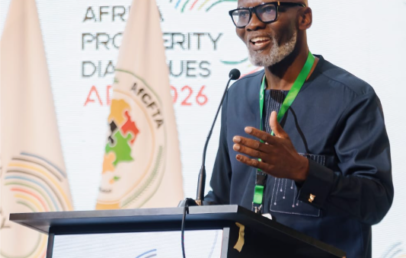
The Chief Executive Officer of Margins ID Group and Chairman of the Ghana CEO Summit, Moses Kwesi Baiden, has delivered a stark warning that Ghana’s continued dependence on external systems in energy, manufacturing and digital infrastructure is becoming increasingly risky in an unstable global economy.
He argued that recent global shocks have exposed the fragility of over-reliance on systems beyond national control, urging Ghana to urgently build internal capacity and accelerate structural reforms aimed at economic self-reliance.
Baiden made the remarks at the media launch of the 10th Ghana CEO Summit and Expo in Accra, held under the theme “Accelerating Ghana’s Economic Transformation: Driving Bold Reforms through Leadership, Technology, and Industrialisation for Sustainable Growth.”
Margins ID Group, a founding partner of the CEO Network, reaffirmed its commitment to promoting Africa’s technological self-determination and reducing dependency on external systems
According to him, globalisation has shifted from a stable interconnected system into a fragmented and unpredictable structure that transmits external shocks directly into domestic economies.
“The world today is in a state of crisis,” Baiden said. “We do not control the outcomes of global events, yet we bear their consequences.”
He cited disruptions to global trade routes, including tensions around the Strait of Hormuz, as examples of how instability abroad quickly translates into inflationary pressures and rising costs of living in Ghana.
Baiden warned that unless Ghana deliberately repositions itself, it will remain exposed to external vulnerabilities.
He stressed that economic strategy must prioritise national resilience within a global framework rather than dependence on external systems.
“We must prioritise local interests within a global context,” he said, cautioning against continued reliance on systems that Ghana does not control.
On industrialisation, Baiden was unequivocal that resource ownership alone does not translate into economic power.
“Having raw materials is not the same as having industrial power,” he stated, calling for stronger value addition, deeper local supply chains, and reduced import dependency as the foundation for long-term stability.
He also identified digital infrastructure as a critical pillar of modern economic sovereignty, warning that no country can build a resilient digital economy while relying heavily on external systems for core infrastructure.
Data centres, fibre-optic networks, power systems and logistics, he noted, now underpin every digital service, making cybersecurity and infrastructure resilience matters of national security rather than technical issues.
Baiden pointed to Margins ID Group’s 35-year evolution across secure technology, identity systems and public-private partnerships as evidence of the importance of building indigenous capacity aligned with global standards.
The group currently holds eight ISO certifications, which he said reflect its commitment to competitiveness in a globalised environment.
“We need to demonstrate to the world that our quality meets global standards,” he said. “If we want to industrialise at scale, we must certify, so that even as we grow locally, we maintain global credibility.”
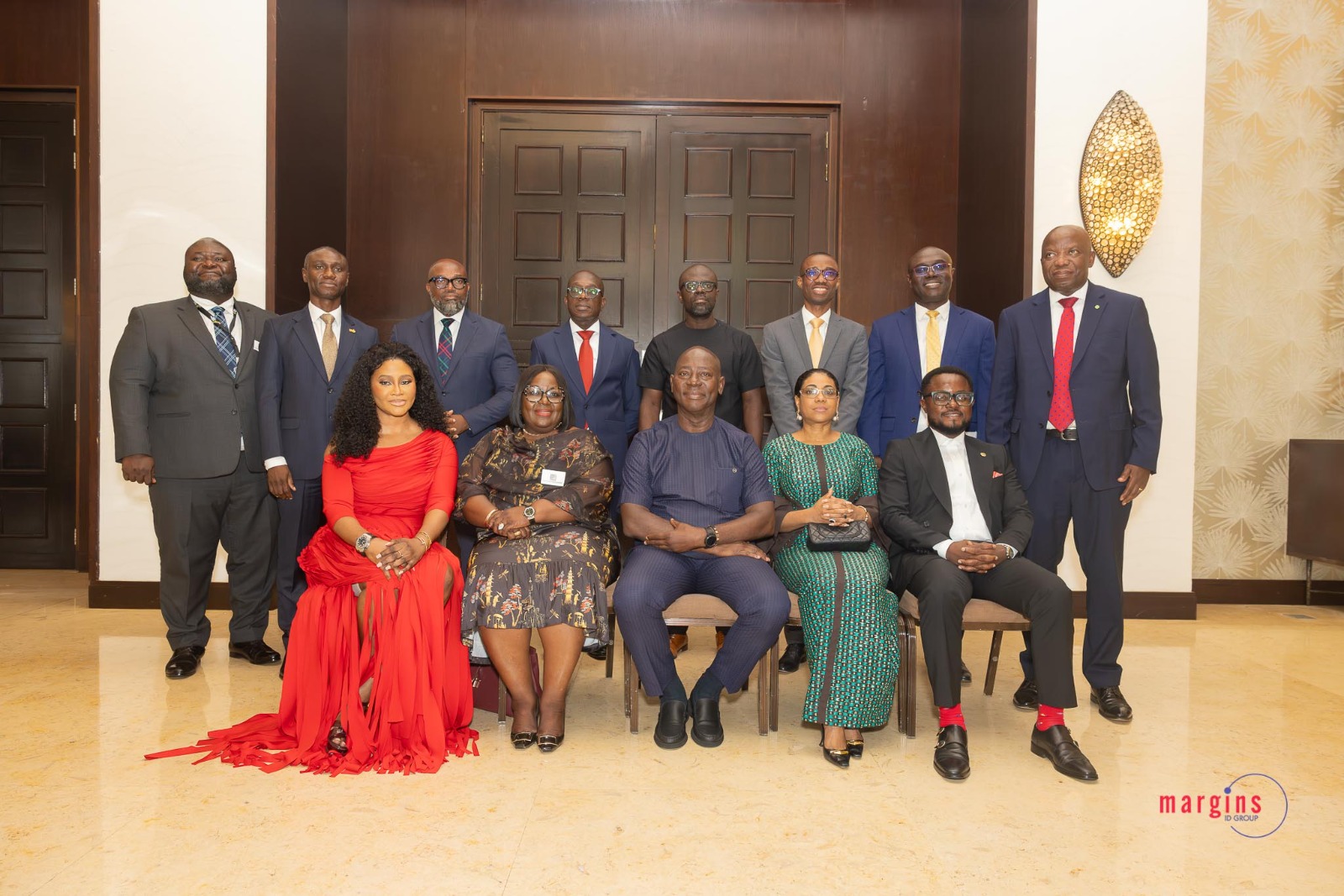
Other speakers at the launch, drawn from finance, agriculture and real estate, echoed his call for stronger local capacity-building, technological investment, and deeper collaboration between the private sector and government.
The Founder of the CEO’s Network Ghana described the Summit’s 10-year journey as a deliberate effort to shape Ghana’s economic direction through structured engagement between business leaders, policymakers and investors.
“This is not an event,” he said. “It is a national leadership platform. Ghana’s future will not be shaped by observers. It will be shaped by participants.”
The 10th Ghana CEO Summit, scheduled for 28 May 2026 at the Kempinski Hotel Gold Coast City in Accra, will introduce a CEO–Government Compact aimed at aligning policy direction with private sector priorities in industrialisation, technology adoption and job creation.
The initiative is expected to strengthen the bridge between policy formulation and implementation at a time when calls for economic independence and resilience are becoming increasingly urgent