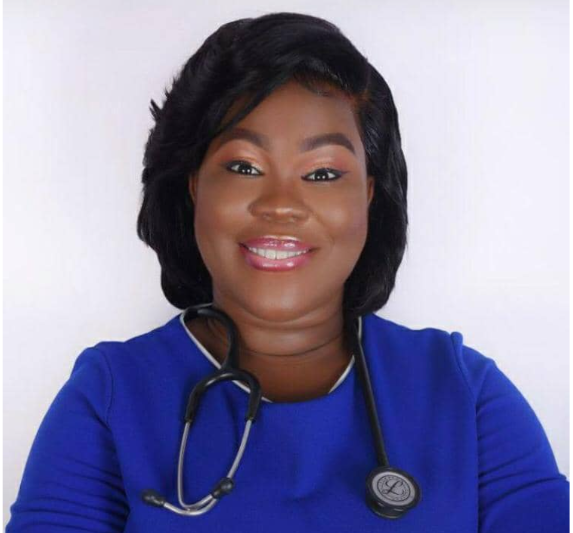
Medical practitioner Dr. Joyce Emefa Addo-Klah has warned that the devastating floods that swept through parts of Accra and surrounding communities could trigger outbreaks of cholera, typhoid fever and other communicable diseases if residents fail to observe strict hygiene and food safety measures.
Speaking on Sunny 88.7 FM’s Morning Drive programme hosted by Jennifer Jessica Danquah (JJD), Dr. Emefa said while the immediate destruction caused by the floods was alarming, the potential public health consequences in the aftermath could prove equally severe.
“Apart from the property loss and people being carried away by the floods, from a public health perspective, I’m very concerned about the aftermath. We need to brace ourselves for a surge in foodborne diseases,” she said.
Floodwaters pose major health risk
Dr. Emefa explained that floodwater is highly contaminated because it mixes with sewage, refuse, industrial chemicals and human waste as it flows through communities.
According to her, the contaminated water can settle on vegetables cultivated in low-lying areas, particularly leafy vegetables such as lettuce and cabbage, making them unsafe for consumption if they are not thoroughly cleaned.
She cautioned that some roadside food vendors may not observe the necessary hygiene standards when preparing meals.
“Honestly, this is not a good time to be buying food from outside. You are better off preparing your meals at home and ensuring every precaution is taken,” she advised.
Observe strict hygiene
The medical practitioner urged residents to prioritise proper handwashing, describing it as one of the most effective ways of preventing infections during the post-flood period.
She also advised households that rely on tap water to boil and, where possible, filter it before drinking, warning that floodwaters may contaminate water sources.
Where available, she recommended the use of bottled or properly packaged sachet water until conditions improve.
Cholera and typhoid threat
Dr. Emefa warned that cholera and typhoid fever are among the diseases most likely to increase following flooding due to contamination of food and water supplies.
She urged the public to be cautious about where they purchase food and advised against eating meals that are not served hot.
“Be very mindful of where you buy your food. If the food is not hot, please don’t eat it,” she cautioned.
She further advised residents to avoid consuming raw salads and uncooked leafy vegetables unless they are certain the produce has not been exposed to floodwaters and has been thoroughly washed.
Malaria cases likely to rise
Beyond foodborne diseases, Dr. Emefa said stagnant pools of water left behind by the floods are expected to create ideal breeding grounds for mosquitoes, increasing the risk of malaria in the coming weeks.
She encouraged parents and caregivers to take extra precautions by ensuring children sleep under insecticide-treated mosquito nets, wear appropriate clothing at night and avoid staying outdoors late into the evening.
Pregnant women, she added, should consistently use treated mosquito nets to reduce their risk of infection.
Seek medical care early
Dr. Emefa urged residents not to ignore symptoms such as diarrhoea, vomiting or severe stomach pain, noting that diarrhoeal diseases can rapidly lead to dehydration, particularly among young children.
“If you or your child develops diarrhoea or vomiting, please don’t stay home. Report to the nearest health facility immediately,” she advised.
Special advice for sickle cell patients
She also reminded people living with sickle cell disease that the cold and wet weather associated with the rains increases the risk of sickle cell crises.
She advised them to keep warm, stay well hydrated and avoid prolonged exposure to cold conditions.
“I know it’s cold and people don’t feel like drinking water, but you must make a conscious effort to stay hydrated,” she said.
Public urged to remain vigilant
As affected communities begin cleaning up after the floods, Dr. Emefa urged residents to remain vigilant by maintaining good personal hygiene, consuming safely prepared food, drinking clean water and seeking prompt medical attention whenever symptoms develop.
She stressed that although floodwaters may eventually recede, the health risks they leave behind can persist long after the rains have stopped if adequate preventive measures are not taken.