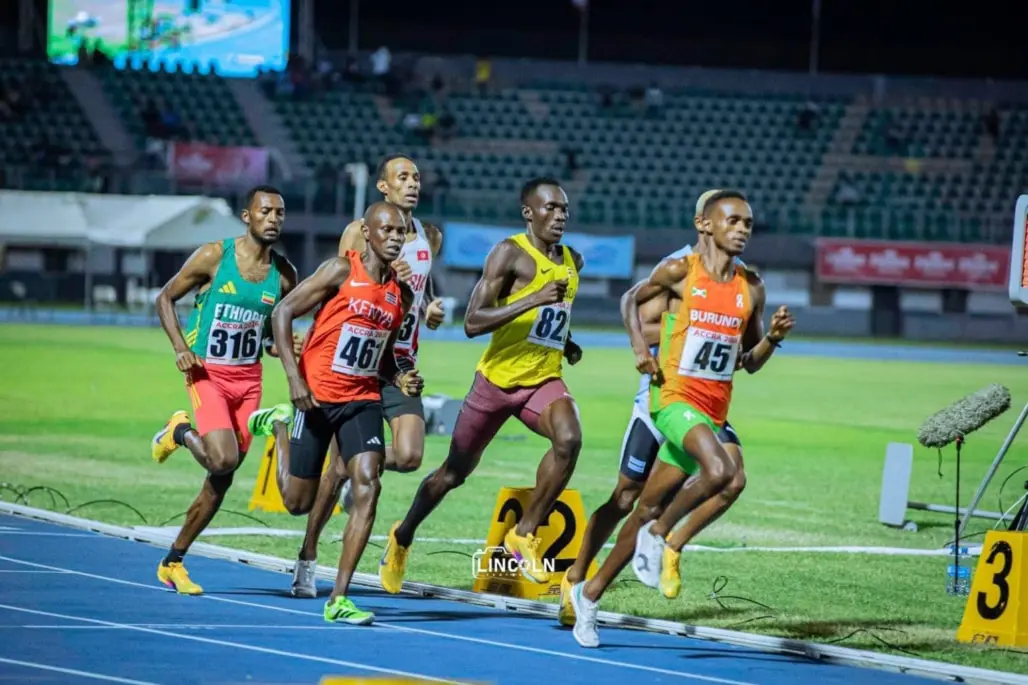
The ongoing 24th African Athletics Championships in Accra has come under intense criticism following a troubled start marked by organisational confusion, logistical failures and growing complaints from athletes, journalists and officials participating in the continental event.
What was expected to be a major showcase of Ghana’s capacity to host elite international sporting competitions has instead witnessed widespread dissatisfaction over poor planning, inadequate facilities and operational setbacks that have overshadowed the opening days of the championship.
The competition, which began on Monday at the University of Ghana Stadium, was awarded to Ghana after the country won the hosting rights over Botswana during the Confederation of African Athletics (CAA) Congress held in Douala, Cameroon, in June 2024.
However, despite nearly two years of preparation, the opening phase of the championship has exposed significant shortcomings in coordination and event management, drawing criticism both locally and internationally.
The controversy surrounding the event has rapidly spread across social media platforms, where athletes, journalists and fans have openly described aspects of the organisation as embarrassing for the host nation.
Athletes complain over poor conditions
Several athletes participating in the championship have raised concerns over poor hospitality arrangements, transportation delays, scheduling inconsistencies and inadequate communication from organisers.
Competitors have reportedly endured long waiting hours for transport between their hotels and competition venues, disrupting training schedules and preparations ahead of races and field events.
Others have expressed frustration over delays in event scheduling and what they describe as insufficient coordination during competition sessions.
Concerns have also emerged regarding the quality and availability of food provided to athletes, with some international reports alleging that participants struggled to access adequate meals during the competition.
The situation has further intensified criticism from international observers covering the championship.
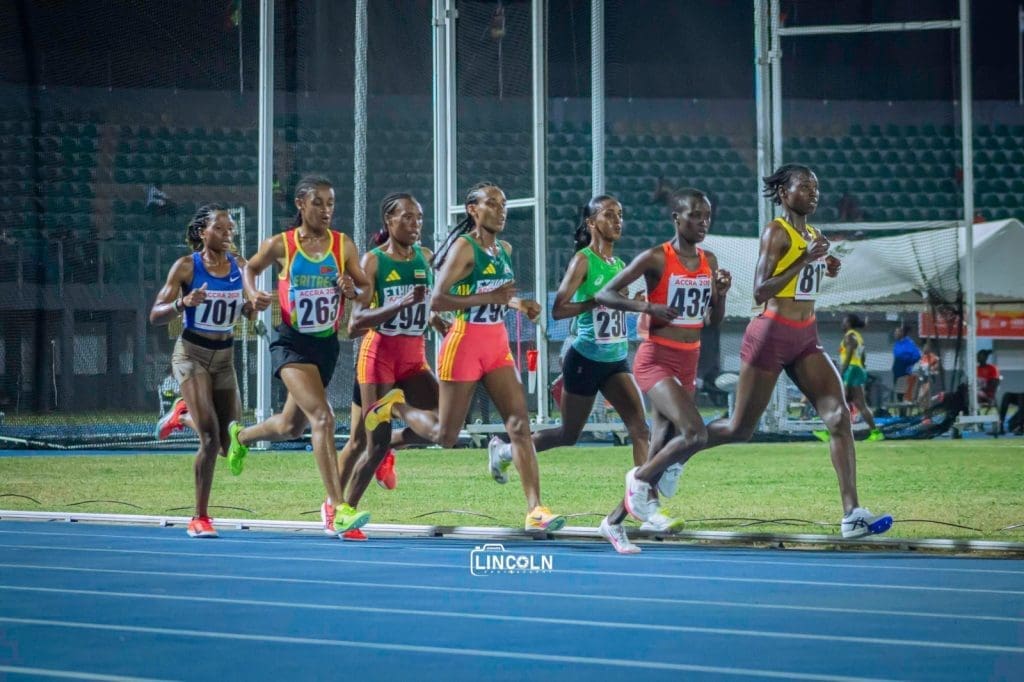
Athletes and officials have also complained about technical failures during events, including problems with the starting gun system during some races.
One of the most criticised incidents reportedly occurred during the men’s 100 metres heats, where the starting gun malfunctioned multiple times, disrupting athletes and affecting concentration before the race.
“The starting gun faltered about four times, affecting the athletes. It’s a shame,” one observer remarked following the incident.
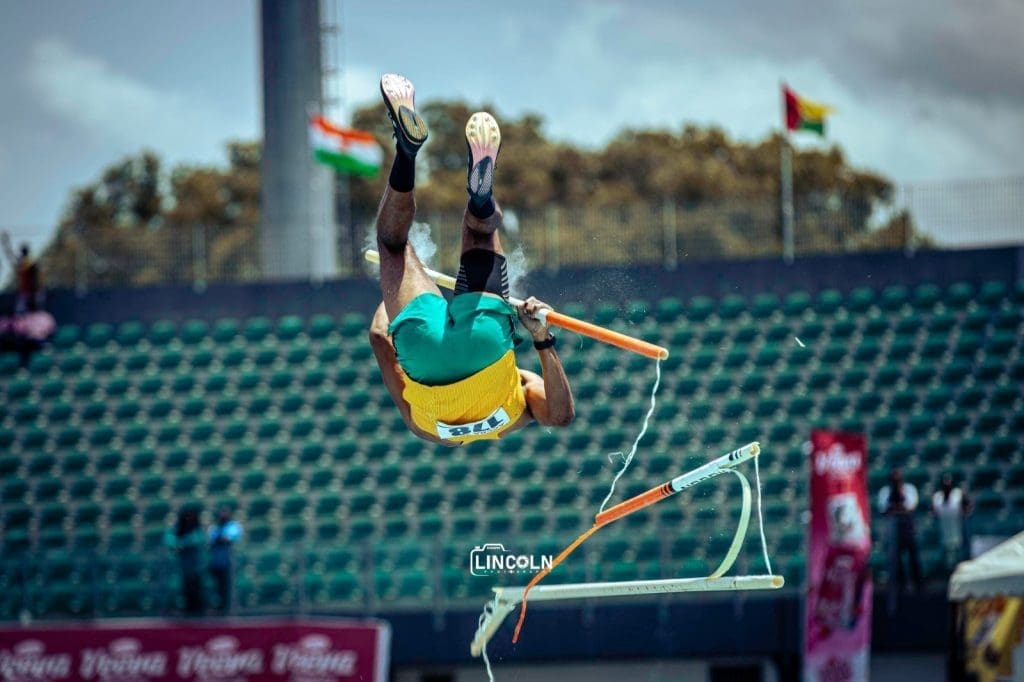
In one incident, a pole vault bar broke during competition at the African Athletics Championships in Accra.
The technical failures have raised concerns about the preparedness of competition infrastructure for an event of continental magnitude.
Journalists struggle with poor facilities
Media coverage of the championship has also been heavily affected by organisational challenges at the stadium.
Journalists covering the competition have complained bitterly about poor internet connectivity, inadequate workspace arrangements and difficulties accessing accreditation and competition information.
Some journalists reported that internet access at the stadium was either extremely poor or entirely unavailable, severely affecting their ability to file stories, transmit photographs and provide live updates from events.
Others claimed they were advised by officials to purchase their own internet data bundles if they wished to work effectively during the championship.
A major source of frustration has been the condition of the media centre itself.
According to several journalists, the designated media workspace lacks sufficient working areas and basic functionality expected at an international sporting event.
“There is no space for the media to work,” one journalist complained.
Further frustration emerged over the placement of loud entertainment groups close to the media tribune, making it difficult for journalists to concentrate while covering events.
“The media tribune had Jama singers screaming so much you can’t hear a thing or focus to do your job,” another journalist lamented.
The absence of reliable internet connectivity and functional media facilities has reportedly forced some journalists to delay reports or depend on mobile devices and personal hotspots to continue working.
Operational failures affect competition
Beyond media and accommodation concerns, the championship has also suffered from broader operational weaknesses that participants say have negatively affected the overall experience.
Complaints have included the absence of visible timers on race tracks, inconsistent event communication, poor signage and weak branding around the competition venues.
Some athletes reportedly resorted to relying on unofficial video footage to verify race outcomes because of confusion surrounding timing and technical information.
Accreditation processing has also become a major concern, with journalists and officials citing delays and inconsistencies in obtaining access credentials for competition areas.
Participants say access to timely information has been limited, creating uncertainty around schedules and event procedures.
The challenges have become particularly embarrassing because the African Athletics Championships remains one of the continent’s premier sporting competitions, bringing together elite athletes from across Africa in multiple track and field disciplines.
For many observers, the problems witnessed in Accra contrast sharply with expectations that Ghana would build on the momentum created by the successful hosting of the African Games earlier this year.
International attention on shortcomings
The situation has now moved beyond local criticism as international coverage of the championship increasingly highlights the organisational shortcomings.
Reports from foreign media outlets and reactions from athletes on social media have amplified concerns about Ghana’s preparedness and management of the event.
Sports analysts warn that such negative publicity risks damaging Ghana’s reputation as a destination capable of hosting major international sporting competitions.
Many believe the difficulties could also affect future bids for continental and global sporting events if the concerns are not urgently addressed.
The criticism comes at a time when African sports federations are increasingly demanding higher organisational standards from host countries, particularly in areas relating to athlete welfare, media operations, technology and event management.
Calls for urgent intervention
As criticism continues to mount, there are growing calls for organisers, the Local Organising Committee and sports authorities to intervene quickly to address the operational lapses before the championship progresses further.
Stakeholders say immediate improvements are needed in transportation coordination, internet services, media facilities, event communication and athlete welfare.
Others are urging authorities to strengthen technical operations to avoid further disruptions during races and field events.
For many observers, the ongoing controversy surrounding the 24th African Athletics Championships is no longer merely about logistical inconveniences.
It has become a major test of Ghana’s organisational credibility on the continental sporting stage.
While competition continues on the track, the growing focus on operational failures threatens to overshadow the performances of Africa’s top athletes and diminish what was expected to be a proud sporting moment for Ghana.