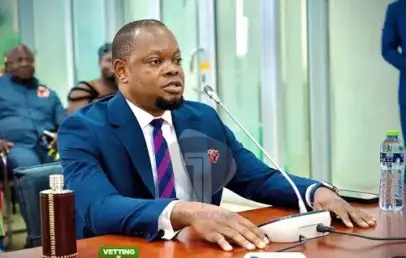
The decision by government not to renew the mining lease of Gold Fields Ghana Limited for the Damang Mine has brought into sharp focus the critical importance of strict adherence to Ghana’s legal framework governing mineral rights, with authorities citing the company’s failure to meet key statutory requirements as the decisive factor behind the move.
Minister for Lands and Natural Resources, Emmanuel Armah-Kofi Buah, disclosed during a high-level working visit to the Damang Mine that the non-renewal was primarily due to the company’s inability to comply with essential provisions of the expiring lease—particularly the legal obligations tied to lease renewal applications.
According to the Minister, Ghana’s mining laws set out clear conditions that must be satisfied before any lease renewal can be granted, including timely submission of applications, demonstration of continued investment, and evidence of sustainable operational plans.
In the case of Gold Fields, these requirements were not adequately met, raising serious concerns about compliance and long-term commitment to the asset.
High-level inspection and stakeholder engagement
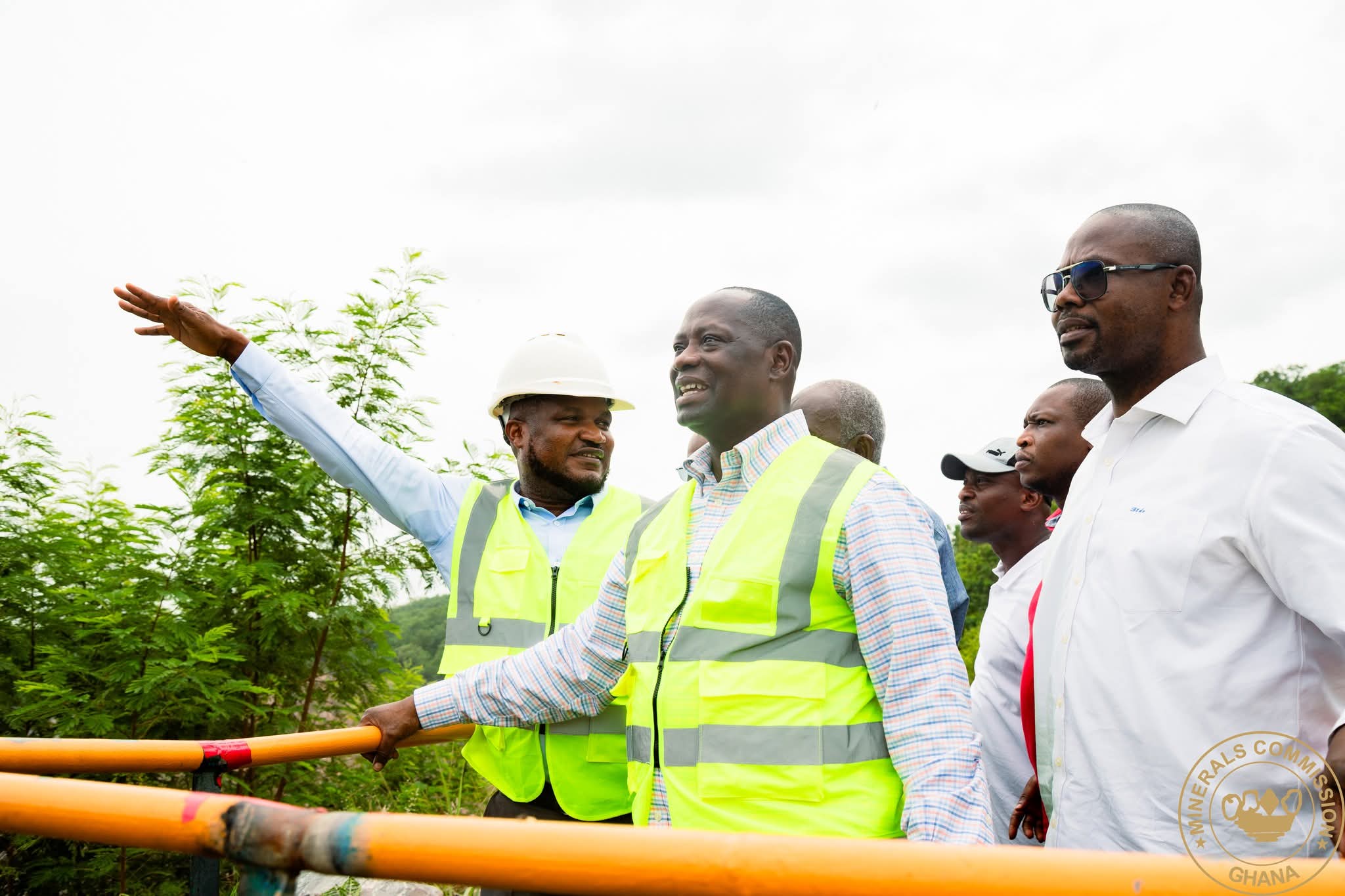
The Minister made these remarks while leading a delegation that included officials from the Minerals Commission, Members of Parliament on the Lands and Natural Resources Committee, and a specially constituted transition team tasked with overseeing the next phase of the mine’s operations.
The visit formed part of government’s broader strategy to ensure that the transition process is managed in a manner that protects national interest while maintaining operational continuity.
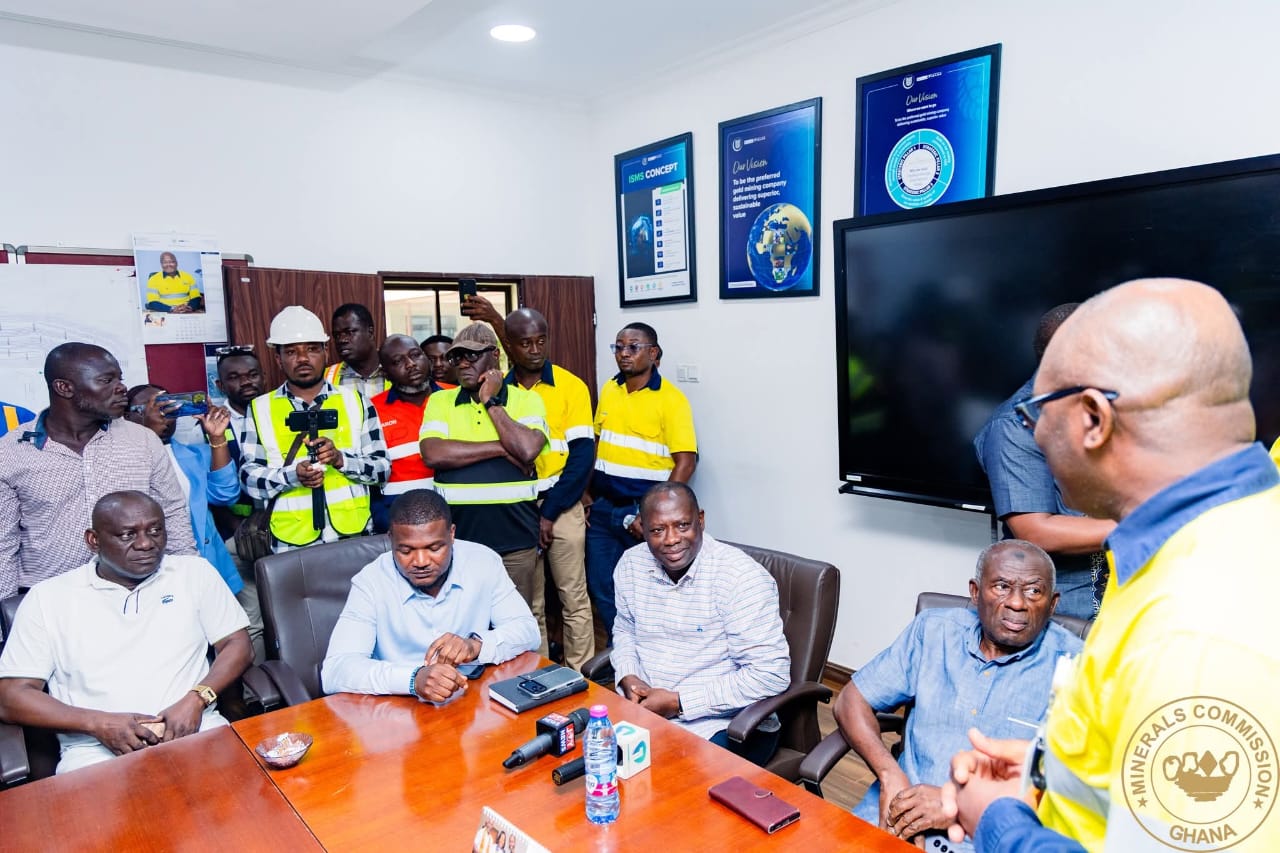
The delegation toured key sections of the mine and engaged both management and workers, gaining firsthand insight into the operational status of the facility and the concerns of employees.
Gold Fields, which acquired interests in Damang had already halted active mining operations at Damang as far back as 2023, shifting instead to stockpile processing in 2024.
With the remaining life of the mine estimated at nine years, questions emerged about whether sufficient reinvestment had been made to sustain the asset.
These developments, the Minister suggested, reinforced the conclusion that renewal of the lease could not be justified under existing legal provisions.
Transition arrangements underway
Despite the decision not to renew the lease, government granted a one-year extension to allow for a structured and orderly transition.
This interim period is to ensure that operations continue without disruption while a new investor is identified.
With the April 18, 2026 deadline fast approaching, the Ministry has already initiated a competitive bidding process aimed at securing a new operator for the mine.
Authorities have indicated a strong preference for investors who demonstrate long-term commitment and a Ghanaian-centred approach to ownership and value creation.
Local firm emerges as frontrunner
Shortlisted bidders are Engineers and Planners Company Limited (E&P), BCM International, and consortium Vortex Resources.
Among the contenders, E&P has emerged as a frontrunner, leveraging its existing role as a contractor at the Damang Mine and its extensive experience within the mining sector.
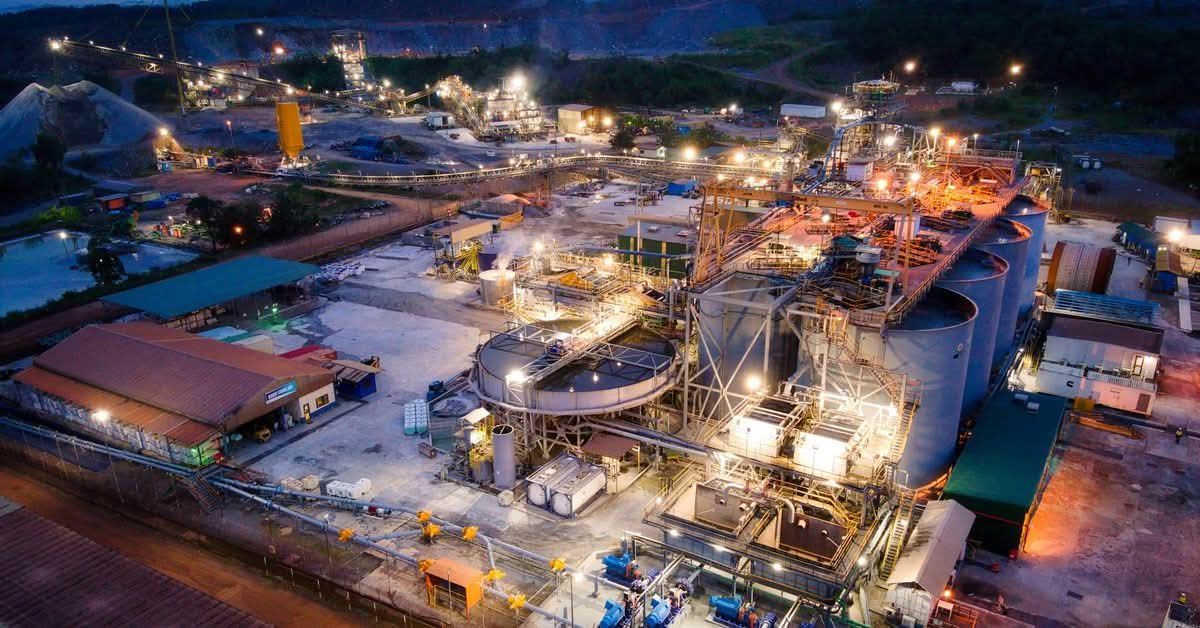
The transition process, officials say, is being guided by detailed and phased plans designed to safeguard production levels, maintain safety standards, and honour existing contractual obligations.
Gold Fields is cooperating with government and the transition team to facilitate a smooth handover.
Assurances on jobs and livelihoods
A major concern during the engagement was the welfare of workers, many of whom expressed anxiety about job security amid the ownership change.
Addressing these concerns, Mr Buah assured employees that no jobs would be lost as a result of the transition.
He revealed that John Dramani Mahama had issued explicit directives prioritising worker protection, insisting that the takeover process must guarantee employment continuity and safeguard livelihoods.
“This assurance is coming directly from the President,” the Minister stated. “His focus is on the people who work here—those who have families and need to be protected.”
Parliamentary oversight and national interest
He further emphasised that Parliament is actively involved in shaping the future lease arrangements to ensure that the next phase of operations aligns with national development goals, enhances productivity, and strengthens workers’ rights.
The involvement of lawmakers was also underscored by the Ranking Member of the Lands Committee, Kwaku Ampratwum-Sarpong, who described the inspection as both timely and necessary.
He noted that Parliament’s priority is to ensure that the eventual takeover delivers maximum value to the country.
“The minority is very keen on making sure that we get the right company, the right investor to take over the mine and ensure Ghana continues to benefit,” he said.
A shift towards stricter resource governance
The Damang Mine remains one of Ghana’s significant mining assets, contributing to gold production, export earnings, and employment.
As such, government’s firm stance on enforcing legal compliance in lease renewals is being interpreted by industry observers as a signal of a more disciplined and transparent approach to resource management.
Experts argue that the decision sets an important precedent, reinforcing the principle that mining rights are conditional on strict adherence to regulatory frameworks.
They note that while investor confidence is crucial, it must be balanced with accountability, sustainability, and national interest.
Ultimately, the unfolding developments at Damang highlight a pivotal moment in Ghana’s mining sector—one where legal compliance, responsible investment, and local participation are being elevated as central pillars for the industry’s future growth.