The Social Enterprise Development Foundation of West Africa (SEND Ghana) has welcomed increased allocations to health, education and social protection in the 2027 National Budget but warned that significant funding and implementation gaps could undermine the delivery of essential public services.
The organisation has called on Parliament to review key budget allocations before approving the Appropriation Bill, particularly in areas such as maternal healthcare, family planning, inclusive education, water, sanitation and hygiene (WASH), and support for survivors of domestic violence.
In an assessment of the 2027 Budget, SEND Ghana’s Country Director, Harriet N. Agyemang, said the government had incorporated some of the organisation’s longstanding recommendations made through pre-budget engagements and citizen consultations.
These include increased funding for the Domestic Violence Fund, incentives for teachers serving in deprived communities, continued investment in completing existing health infrastructure under Agenda 111 and the introduction of a dedicated Social Protection Fund.
However, SEND Ghana said increased allocations alone would not guarantee improved outcomes without adequate financing, timely releases and effective monitoring of public expenditure.
Health allocation rises but remains below Abuja target
SEND Ghana noted that the health sector’s share of the national budget had increased from 8.2 per cent, equivalent to GH¢22.8 billion in 2026, to 10.7 per cent, or GH¢40.3 billion, in 2027.
Despite the increase, it said the allocation remained below the 15 per cent target under the Abuja Declaration, leaving an estimated financing gap of GH¢16.7 billion.
The organisation urged the government to increase health financing and prioritise primary healthcare and maternal health services, particularly emergency obstetric care in underserved communities.
It also raised concerns about the implementation of the Agenda 111 hospital project, noting that although approximately GH¢4.5 billion to GH¢4.8 billion had been invested, none of the hospitals was operational at the time of its assessment.
SEND Ghana recommended that Parliament realign available funding to prioritise the completion of the 20 hospitals scheduled for completion in 2027 before new projects are commenced.
It further proposed that completed facilities incorporate fully equipped Adolescent Health Corners to provide young people with confidential access to HIV and sexually transmitted infection testing, contraception, sexual and reproductive health information and other essential services.
Calls for increased funding for family planning
On sexual and reproductive health and rights, SEND Ghana expressed concern about Ghana’s dependence on development partners to finance family planning commodities.
Citing a 2024 family planning expenditure tracking assessment, the organisation said Ghana spent approximately GH¢104.6 million, equivalent to US$7.2 million, on family planning, with the government financing only 9.48 per cent of the expenditure.
Development partners accounted for more than 90 per cent, a situation SEND Ghana said raised concerns about the sustainability of contraceptive supplies amid declining donor support.
The concerns were further heightened by reports that family planning commodities worth US$500,000 were held up at the ports in April 2026.
The organisation called on Parliament to increase and protect domestic allocations for family planning commodities, establish a dedicated and protected National Health Insurance Scheme (NHIS) financing arrangement for family planning services and ensure full financing of the US$114 million Family Planning Costed Implementation Plan covering 2024 to 2030.
It also urged the government to ensure that young people can access contraception, condoms and HIV testing under the Free Primary Healthcare programme.
SEND Ghana cited data indicating that young people aged 15 to 24 accounted for 27.5 per cent of new HIV infections in 2025, while teenage pregnancy remained a concern.
Sanitary pad allocation needs upward adjustment
The organisation also welcomed the government’s decision to maintain the GH¢292 million allocation for the free sanitary pad distribution programme.
However, it said the allocation had remained unchanged since 2025, raising questions about its purchasing power amid rising costs and its ability to guarantee adequate quantities and quality of products.
SEND Ghana estimated that the current allocation could provide only about six to nine packs of sanitary pads per girl annually, below the intended provision of 12 packs.
It recommended increasing the allocation to between GH¢333 million and GH¢450 million, with annual adjustments for inflation.
It also called for the procurement of certified products and the public release of findings from the 2026 sanitary pad quality audit to strengthen transparency and accountability.
Domestic Violence Fund increases to GH¢10m
SEND Ghana welcomed the increase in the Domestic Violence Fund from GH¢1 million in 2026 to GH¢10 million in 2027.
However, it stressed that the increased allocation must be accompanied by clear spending priorities and timely releases.
The organisation recommended that at least 30 per cent of the fund be allocated and released for sexual and reproductive health education and prevention, while at least 20 per cent should support the establishment and operation of shelters for survivors.
It said such shelters should make appropriate arrangements to accommodate young survivors and adults separately, taking into account their different protection and support needs.
Social Protection Fund faces implementation concerns
SEND Ghana also welcomed the introduction of a GH¢40 million Social Protection Fund in the 2027 Budget, describing it as an important step towards strengthening assistance for poor and vulnerable households.
It proposed that at least 10 per cent of the fund be allocated to establishing and equipping safe shelters for survivors of domestic violence, particularly women, children and persons with disabilities.
However, the organisation raised concerns about the operational resources available to the Ministry of Gender, Children and Social Protection to implement its broader mandate.
According to its analysis, the Ministry has been allocated GH¢3.43 billion, of which GH¢1.096 billion is earmarked for the Livelihood Empowerment Against Poverty (LEAP) programme, GH¢2.095 billion for the School Feeding Programme and GH¢134.58 million for employee compensation.
This leaves approximately GH¢100.24 million, representing just 2.9 per cent of the Ministry’s total allocation, for its other programmes and activities.
SEND Ghana said the limited provision could affect the Ministry’s ability to undertake monitoring and evaluation, coordinate social protection interventions, provide child protection services, respond to gender-based violence and support vulnerable groups.
It therefore urged the government to review the allocation and provide sufficient operational resources to ensure that social protection commitments translate into meaningful support for intended beneficiaries.
Education: SEND Ghana raises concerns over inclusive learning
On education, the organisation acknowledged the increase in the Ministry of Education’s allocation from GH¢39.23 billion in 2026 to GH¢48 billion in 2027, representing a 22.28 per cent increase.
It also welcomed plans to implement a 20 per cent special allowance for teachers serving in deprived communities, saying the incentive could help attract and retain qualified teachers in underserved areas.
SEND Ghana, however, urged Parliament to ensure that adequate funding was provided for teacher accommodation, professional development and equitable deployment to schools with the greatest staffing needs.
It expressed concern that the allocation for inclusive education had remained unchanged at GH¢50 million despite the overall increase in the education budget.
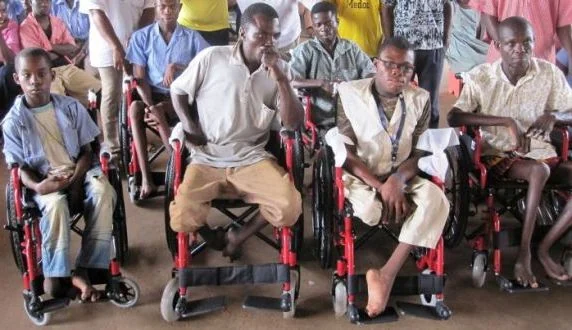
The organisation called for targeted funding informed by the actual needs of special schools and learners with disabilities, including assistive learning materials, disability assessment services and accessible infrastructure.
It said no child should be excluded from quality education because of their circumstances.
WASH allocation rises to GH¢4.86bn
SEND Ghana further welcomed the increase in the compiled water, sanitation and hygiene sector allocation from GH¢1.46 billion in 2026 to GH¢4.86 billion in 2027.
It described the GH¢820 million allocation for the Northern Ghana Water System and GH¢75 million for other water infrastructure as positive steps towards expanding access to water.
However, it cautioned that investments should extend beyond the construction of new infrastructure to include the rehabilitation, maintenance and monitoring of existing water systems.
The organisation urged Parliament to ensure adequate funding for maintenance and water quality monitoring.
It also stressed that the free sanitary pad programme for schoolgirls should be complemented by investments in school WASH facilities, including safe water, private and accessible toilets, changing facilities and appropriate disposal systems.
According to SEND Ghana, such facilities are essential to promoting menstrual health and ensuring that girls participate fully in education with dignity.
Parliament urged to address budget gaps
In its overall assessment, SEND Ghana said the 2027 Budget demonstrated progress in several areas of social sector financing but warned that persistent gaps in funding adequacy could undermine the effectiveness of key interventions.
It urged Parliament to reassess the relevant budget lines before approving the Appropriation Bill to ensure that maternal healthcare, family planning, WASH, inclusive education and domestic violence interventions received adequate funding.
The organisation also called for stronger budget credibility, improved transparency in public expenditure and measures to ensure that allocated resources reached their intended programmes and beneficiaries.
It reaffirmed its commitment to working with the government, Parliament, civil society organisations and citizens to promote accountable public spending and ensure that national budget commitments translated into improvements in the wellbeing and quality of life of Ghanaians.