MTN Ghana has connected about 250,000 homes across the country through its MTN Home Internet service as the telecommunications giant intensifies efforts to expand access to reliable and affordable broadband connectivity.
Out of the total connections, about 180,000 customers are currently subscribed to MTN’s fibre broadband network, reflecting the company’s continued investment in digital infrastructure to meet the growing demand for high-speed internet services.
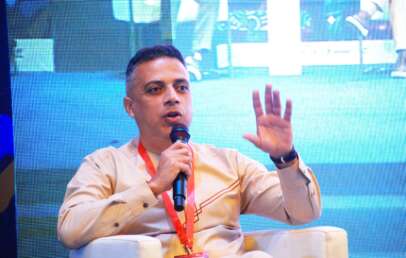
The Chief Home Officer of MTN Ghana, Mr Richard Acheampong, said internet connectivity had evolved into an essential household utility, similar to water and electricity, and urged customers to focus more on the value derived from data services rather than the cost.
He said internet access had become critical to modern life, supporting education, business operations, healthcare delivery, entertainment and everyday communication.
Mr Acheampong made the remarks during the Bright Conversations online stakeholder engagement, where he responded to concerns about the perceived high cost of data services.
“We have done everything to ensure that data is affordable, and you can attest to that. Customers should shift the focus from the cost of data to the value. Data is a utility like water and electricity,” he said.
He encouraged customers to assess the benefits they receive from internet services, arguing that connectivity had become an investment that enables productivity and access to opportunities.
According to him, MTN Ghana had continued to work with regulators and private sector partners to expand digital infrastructure and improve connectivity across the country.
He commended regulators for creating an environment that supports growth in the telecommunications sector, stressing that sustained collaboration among industry players remained essential to achieving nationwide digital inclusion.
Fibre cuts threaten connectivity
Mr Acheampong, however, highlighted persistent infrastructure challenges affecting the reliability of internet services, particularly frequent fibre cuts across the country.
He disclosed that MTN records more than 300 fibre cuts every month, describing the situation as a major disruption to network operations and customer experience.
He explained that the company engages road contractors before construction activities begin to identify the locations of fibre infrastructure, but such interventions have not fully solved the problem.
To reduce the impact of these disruptions, he said MTN was deploying technology solutions to detect and manage fibre cuts while investing in backup infrastructure to strengthen network resilience.
The company, he added, was collaborating with the Ministry of Communications and other relevant stakeholders to ensure fibre infrastructure receives adequate protection.
Mr Acheampong stressed that telecommunications infrastructure must be treated as a national security asset because of the critical role digital connectivity plays in the economy.
He warned that a prolonged disruption to internet services could have serious consequences for businesses, financial services, government operations and everyday activities.
“If the internet shuts down in Ghana for two hours, all of us will feel it,” he said.
He called for greater public awareness and stronger protection of digital infrastructure as Ghana continues its transition into a digitally driven economy.