President John Dramani Mahama has urged Ghanaians in the diaspora to deepen their investment in Ghana, while outlining progress made in the country’s economy, energy sector and broader development agenda under his administration.
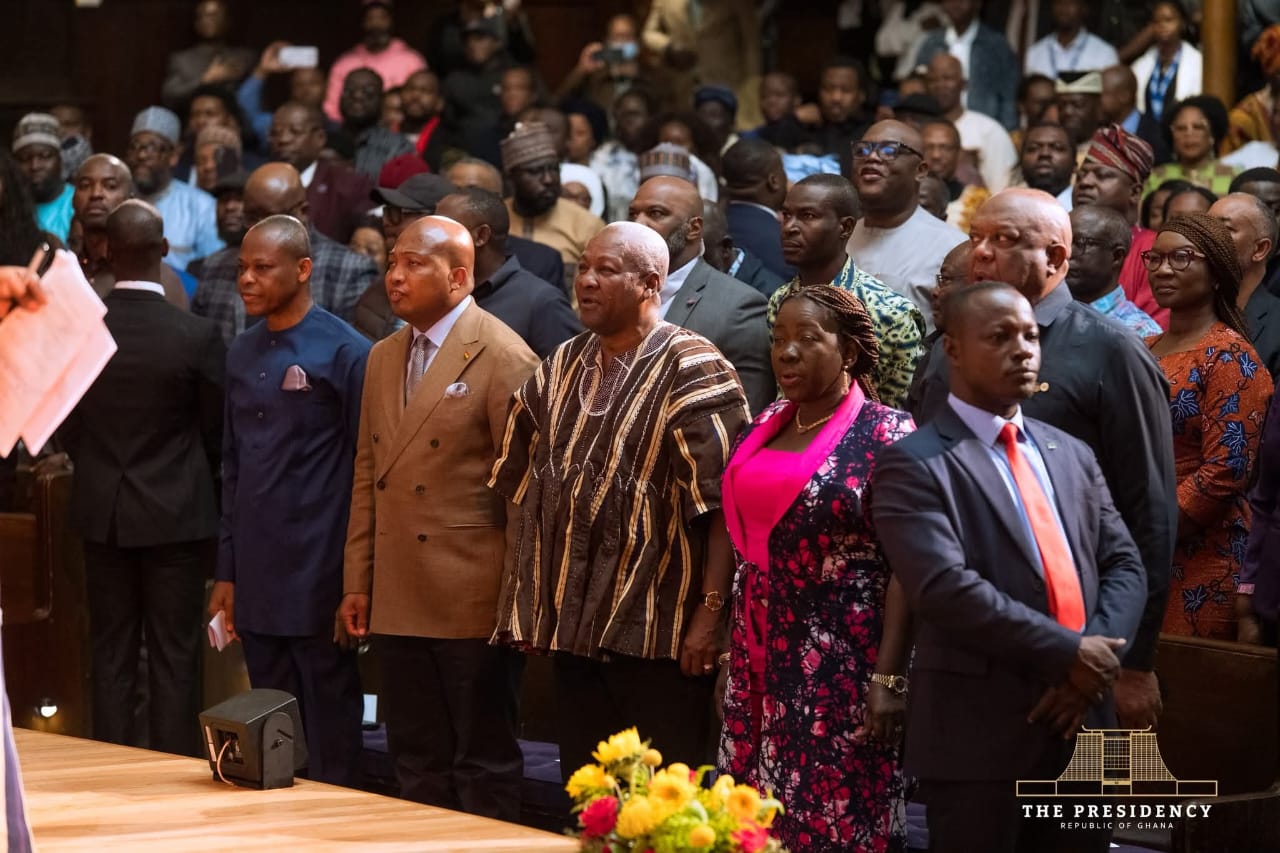
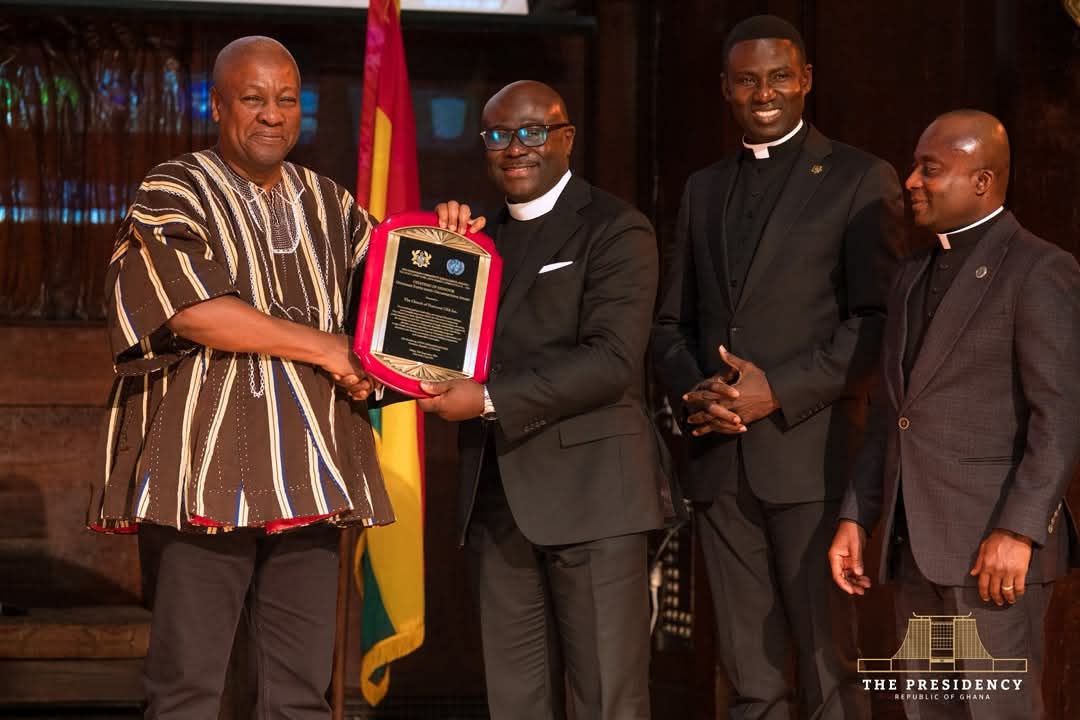
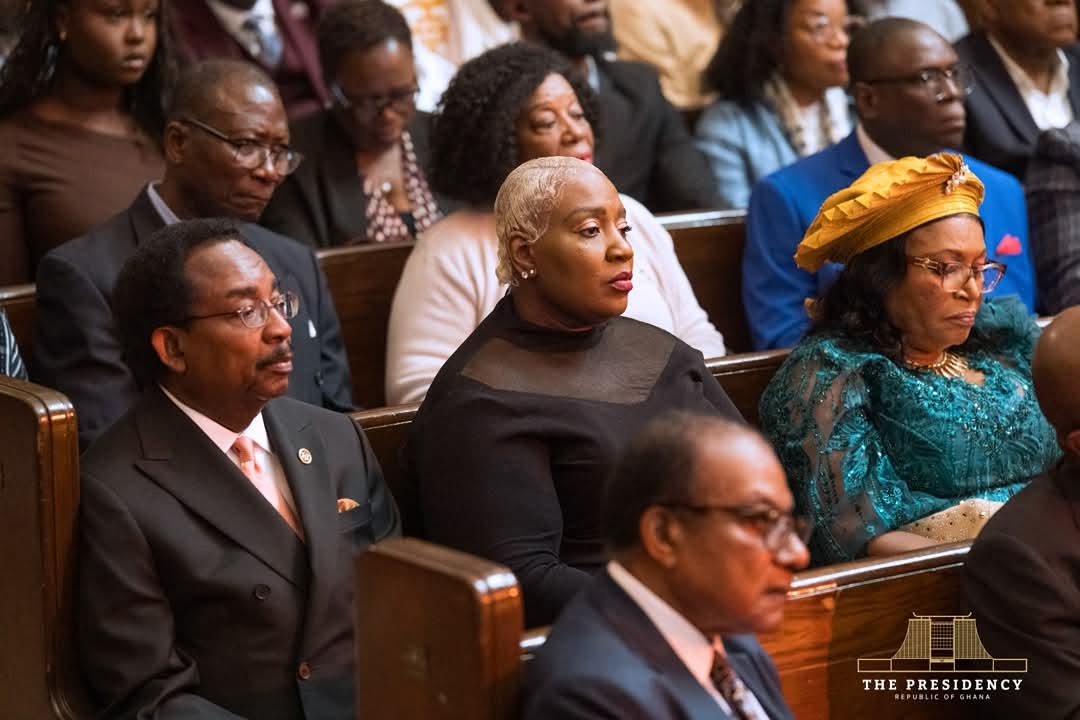
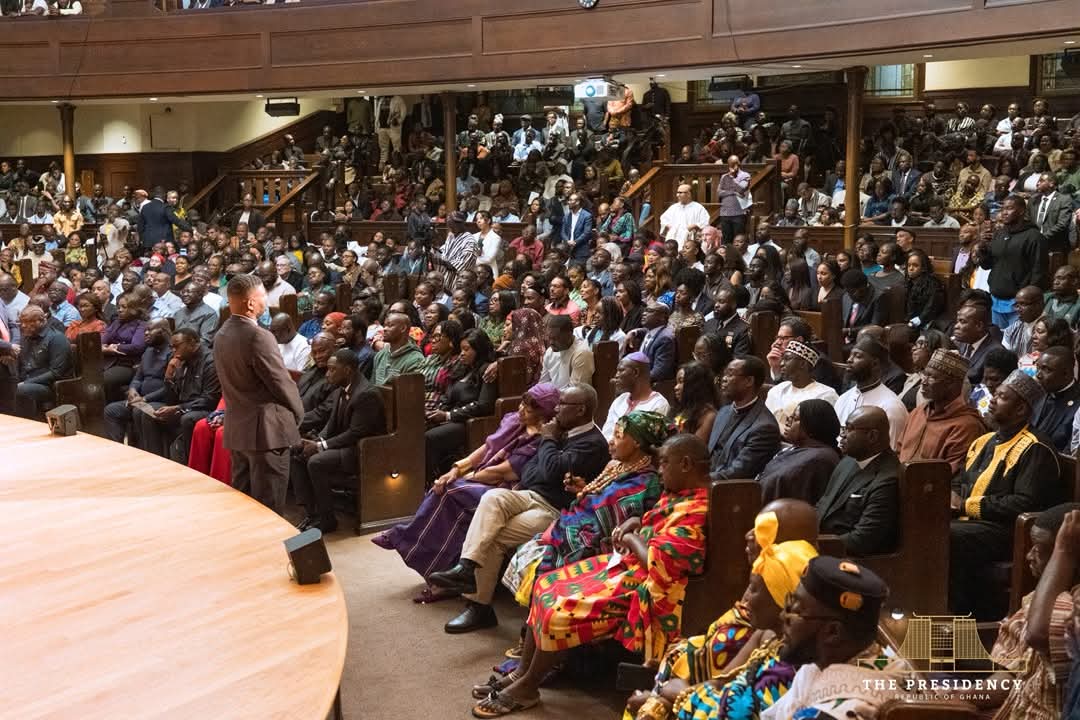
The President made the call at a Presidential Townhall Meeting with Ghanaians in the Diaspora on the sidelines of the 81st United Nations General Assembly (UNGA) in New York, where he engaged the Ghanaian community on the government’s Reset Agenda and opportunities to contribute to Ghana’s development.
President Mahama said the government was working on a framework that would enable Ghanaians abroad to invest their funds safely in Ghana through structured investment portfolios, with returns clearly defined.
He also encouraged Ghanaians considering a permanent return home to take a gradual approach, given the changes that may have occurred during their years abroad.
“Ghana is improving, and it will continue to improve, but for now, if you want to go back home, go test the waters, see how you can reintegrate before you make that move,” President Mahama advised.
He encouraged members of the diaspora to consider investing in Ghana before returning permanently, so that they could establish an income stream and gradually reconnect with life in the country.
Turning to the energy sector, President Mahama outlined measures being undertaken to expand Ghana’s power generation capacity and improve the financial sustainability of the sector. He said government was preparing to sign an agreement for 1,200 megawatts of gas-fired thermal generation capacity before the end of 2026.
He said the additional capacity would be supported by renewed investment in Ghana’s oil and gas industry, including efforts to increase domestic gas production to support thermal power generation.
President Mahama disclosed that partners in the Jubilee Field were investing approximately US1.5 billion to bring additional production from the Sankofa field into operation. The Presidency has separately confirmed the combined US$3.5 billion investment commitments and the planned drilling and field-development activities.
He said the renewed investment was already contributing to increased oil production, with Jubilee output rising from about 60,000 to 85,000 barrels per day. The President said the renewed interest from international energy companies was an indication of growing investment activity in Ghana’s petroleum sector.
President Mahama also highlighted the government’s efforts to restore stability to the country’s energy sector, including addressing outstanding obligations to independent power producers and reorganising the Electricity Company of Ghana (ECG) to prioritise payments to power generators.
On the economy, the President said his administration inherited an International Monetary Fund programme that had gone off track following fiscal slippages ahead of the 2024 elections. He said government undertook corrective measures to restore the programme and pursued additional fiscal reforms aimed at stabilising the economy.
The IMF has confirmed that Ghana’s programme performance subsequently improved, with the country’s fiscal position strengthening and debt sustainability indicators showing significant gains. The IMF reported that Ghana’s public debt had fallen to about 45 percent of GDP by mid-2026, while the economy recorded 6 percent real GDP growth in 2025.
President Mahama said government’s fiscal consolidation efforts had helped bring down debt levels, while interest rates had also declined significantly. He further pointed to the stability and appreciation of the Ghanaian cedi as important developments for businesses and investors.
The Bank of Ghana reported that the cedi appreciated by 40.7 percent against the US dollar in 2025, while public debt fell to 45.3 percent of GDP at the end of 2025, supporting the broader economic stabilisation picture outlined by the President.
President Mahama said the government would continue pursuing measures to maintain macroeconomic stability while creating an environment capable of attracting investment and supporting economic growth.
He also stressed the importance of Ghana positioning itself for the global transition towards renewable energy and electric mobility, arguing that the country must maximise its existing oil and gas resources while preparing for a changing global energy landscape.
For the Ghanaian diaspora, the President’s message was both an invitation to participate in Ghana’s economic transformation and a call to approach reintegration thoughtfully.
He emphasised that Ghanaians abroad possess valuable skills and expertise that Ghana needs, while encouraging those contemplating a return to first establish connections and investments that could ease the transition.
The townhall provided an opportunity for the President to update Ghanaians in the diaspora on developments under the Reset Agenda while highlighting investment opportunities and encouraging stronger economic participation by the Ghanaian community abroad.