Ghana’s efforts to strengthen its foreign exchange buffers have received a significant boost following a landmark transaction in which Ibrahim Mahama’s Damang Gold Mine Ltd. sold 100 per cent of its first gold output to the Ghana Gold Board, marking a new phase in the country’s strategy to leverage its mineral wealth for macroeconomic stability.
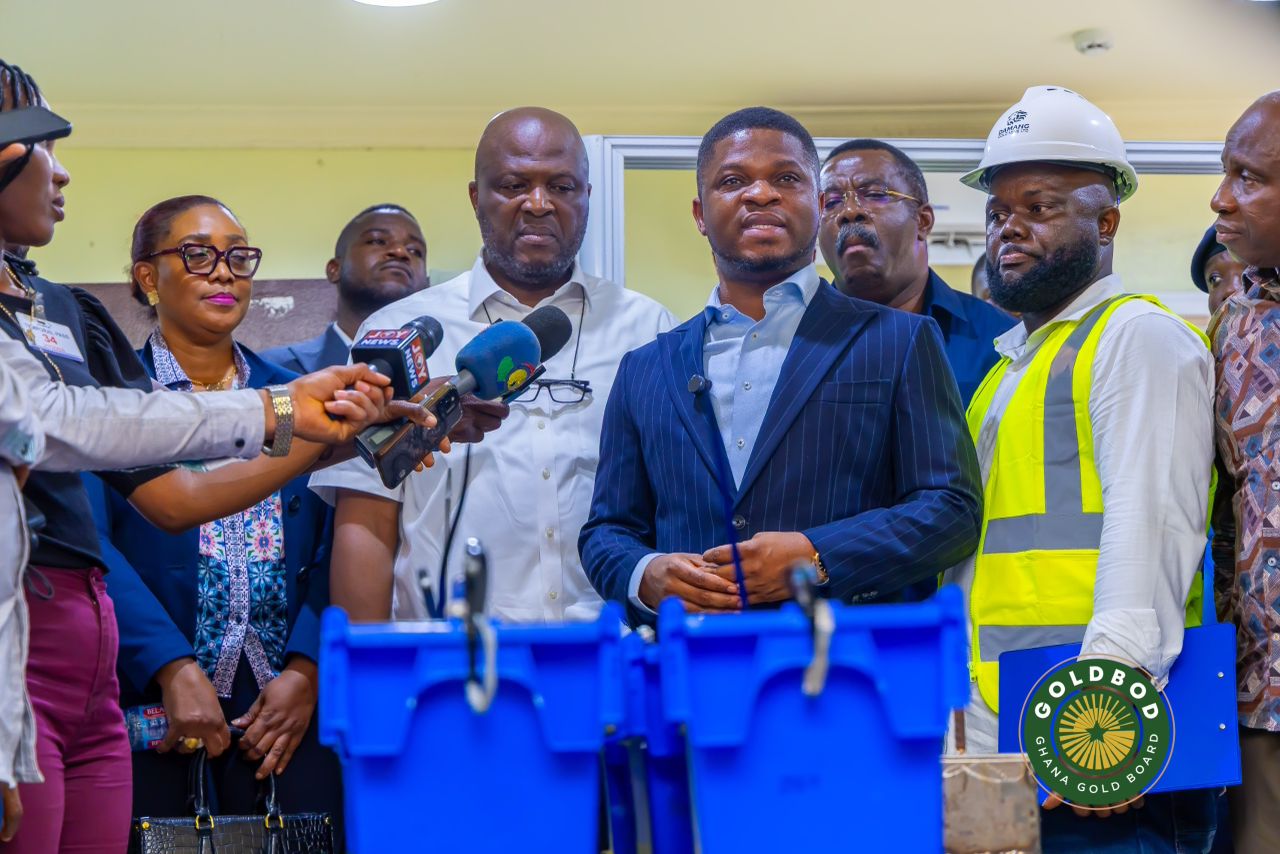
The transaction, described by officials as historic, took place at the GoldBod Assay Laboratory at the Kotoka International Airport, where the Chief Executive Officer of the Gold Board, Sammy Gyamfi, received a delegation from the Damang Mine and briefed the media on its significance.
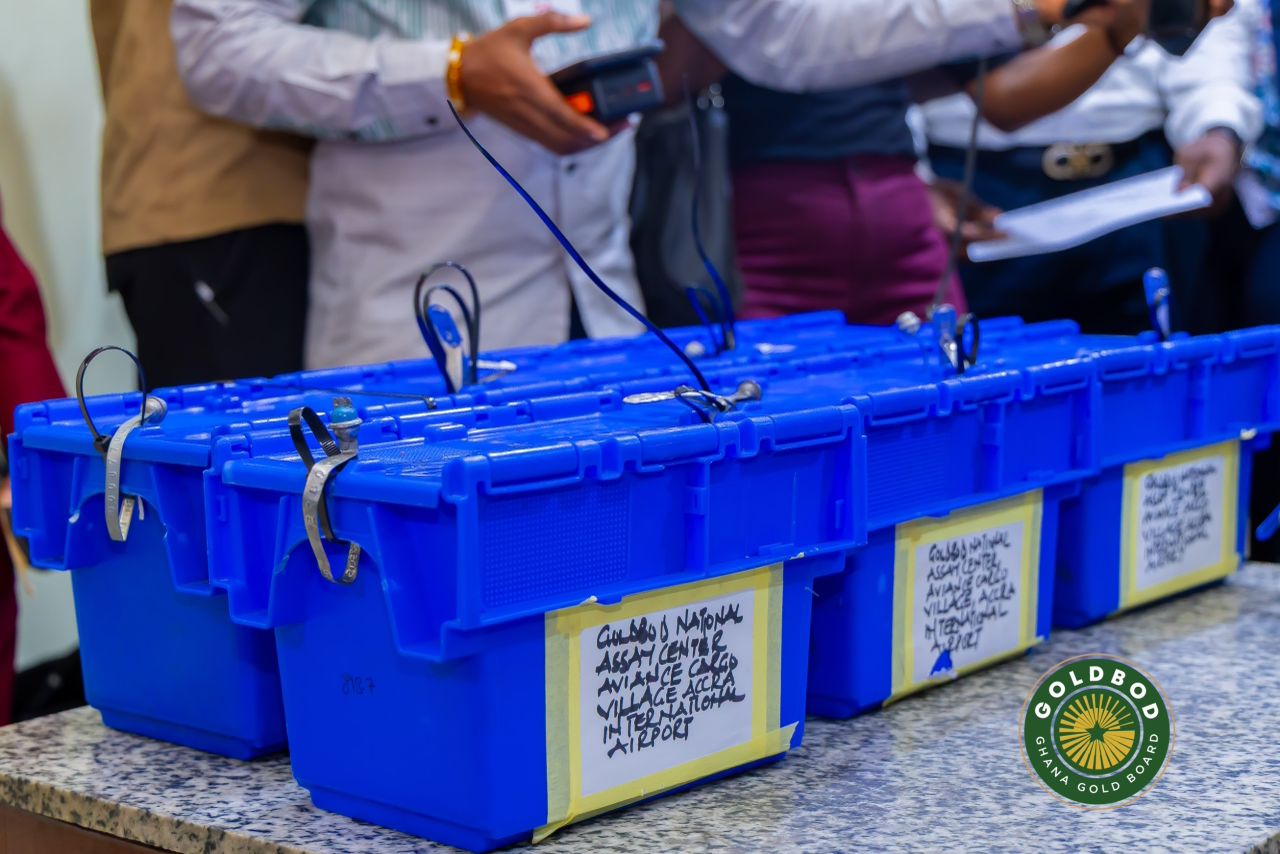
According to Mr Gyamfi, the initial consignment—approximately 110 kilogrammes of gold—will be assayed, valued and purchased by the Gold Board on behalf of the Bank of Ghana.
The gold will subsequently be refined and added to the central bank’s reserves, directly contributing to the country’s foreign asset base.
He emphasised that the transaction represents more than a commercial sale, describing it as a strategic intervention aligned with government’s broader macroeconomic agenda, particularly the Ghana Accelerated National Reserve Accumulation Program, which seeks to build robust reserves to stabilise the currency and enhance investor confidence.
At the heart of the initiative is a deliberate policy shift to increase local participation in the mining value chain and ensure that a greater share of Ghana’s gold output feeds directly into national reserves rather than being exported entirely through offshore channels.
Mr Gyamfi noted that Ghana’s position as one of Africa’s leading gold producers has historically not translated into commensurate gains in reserve accumulation, largely due to the structure of the mining sector, where a significant portion of output is controlled by multinational firms with external off-take arrangements.
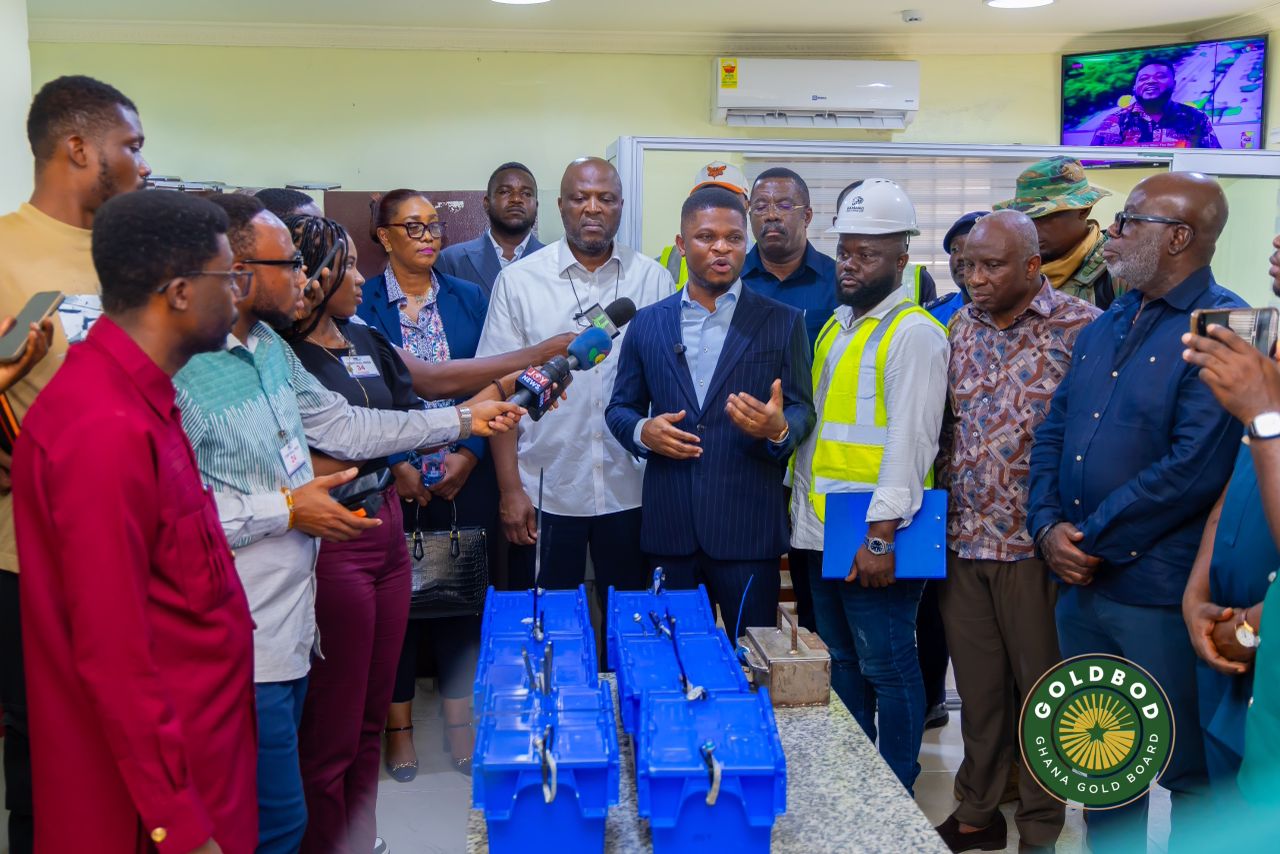
He lamented that large-scale mining companies have contributed relatively little to the country’s foreign reserve build-up, despite the scale of their operations, and urged them to emulate the Damang model by prioritising domestic off-take arrangements.
“The importance of having Ghanaians at the commanding heights of the mining sector cannot be overstated,” he said, arguing that local ownership and participation are critical to maximising national benefits and driving economic transformation.
Boost to foreign reserves and currency stability
Economists say the direct sale of gold to the central bank offers a powerful mechanism for strengthening Ghana’s external buffers.
By purchasing gold domestically, the Bank of Ghana is able to build reserves without exerting pressure on foreign exchange markets, thereby reducing the need to source dollars externally.
This approach has important implications for exchange rate stability.
A stronger reserve position enhances the central bank’s ability to intervene in the foreign exchange market when necessary, helping to smooth volatility in the cedi and anchor inflation expectations.
In addition, gold-backed reserve accumulation provides a hedge against global currency fluctuations. Unlike fiat currencies, gold retains intrinsic value, making it a reliable store of wealth in periods of economic uncertainty.
The Damang transaction, though modest in volume at 110 kilogrammes, signals the beginning of what policymakers hope will become a sustained pipeline of domestic gold supply to the central bank.
Reducing external vulnerabilities
The initiative is also expected to reduce Ghana’s exposure to external financing shocks.
By relying more on internally generated reserve assets such as gold, the country can lessen its dependence on external borrowing and volatile capital inflows to support its balance of payments.
This is particularly significant in the context of recent global economic uncertainties, where tightening financial conditions have made access to international capital markets more challenging and expensive for emerging economies.
The Gold Board’s strategy effectively converts Ghana’s mineral wealth into a direct macroeconomic stabilisation tool, ensuring that value generated within the country contributes to national resilience.
Enhancing fiscal and monetary coordination
The programme further strengthens coordination between fiscal and monetary authorities.
By channeling gold purchases through the Gold Board for the benefit of the central bank, the initiative aligns resource extraction with monetary policy objectives.
This integrated approach is expected to improve policy effectiveness, particularly in managing inflation and exchange rate dynamics.
Moreover, increased gold reserves can enhance Ghana’s sovereign credit profile over time, as higher reserve buffers are often viewed favourably by international investors and rating agencies.
Catalysing local value retention
Beyond macroeconomic stability, the Damang transaction underscores the broader economic benefits of local value retention in the extractive sector.
By ensuring that gold produced in Ghana is first offered to domestic institutions, the policy promotes value addition within the country, including refining, assaying, and logistics services. This has the potential to create jobs, build technical capacity, and deepen the mining value chain.
It also reinforces the case for greater indigenous participation in the sector, as local firms may be more inclined to align their operations with national development priorities.
A model for the mining sector
Mr Gyamfi expressed optimism that the Damang initiative would set a precedent for other mining companies, particularly large-scale operators, to follow.
He stressed that achieving the objectives of GANRAP will require broad-based participation across the industry, noting that the cumulative impact of multiple producers supplying gold to the central bank could significantly transform Ghana’s reserve position over time.
“This is not just about one company,” he said. “It is about creating a new model for the mining sector—one that ensures Ghana fully benefits from its natural resources.”
Outlook
As Ghana continues to pursue economic recovery and stability, initiatives such as the Damang-GoldBod transaction are likely to play an increasingly important role in shaping macroeconomic outcomes.
If sustained and scaled, the policy could redefine how resource-rich economies manage their assets, shifting from a model of raw export dependence to one of strategic reserve accumulation and domestic value creation.
For now, the delivery of the first 110 kilogrammes of gold marks a symbolic but important step in that direction—one that policymakers hope will translate into stronger reserves, a more stable currency, and a more resilient economy.