Political interference is increasingly crippling the effectiveness of Ghana’s decentralised governance system, with new evidence pointing to deep-rooted political control as a major obstacle to the performance of Metropolitan, Municipal and District Assemblies (MMDAs).
A comprehensive survey conducted by the Centre for Democratic Development Ghana has revealed that despite the existence of legal frameworks designed to promote decentralisation, political influence continues to distort administrative processes, weaken accountability, and undermine service delivery at the local level.
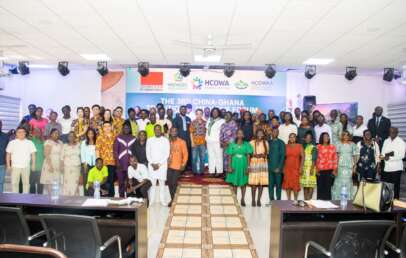
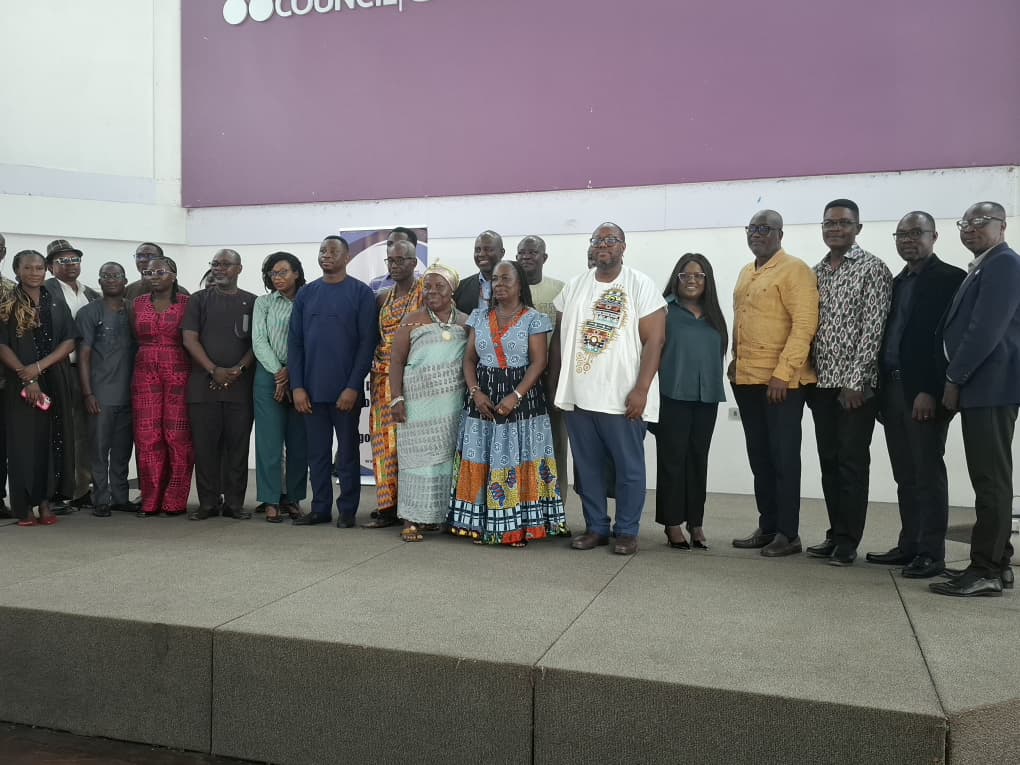
The findings were presented at a national stakeholder workshop on local government reforms held in Accra, where policymakers, governance experts and civil society actors examined the structural challenges confronting Ghana’s local governance architecture.
Political interference at the core
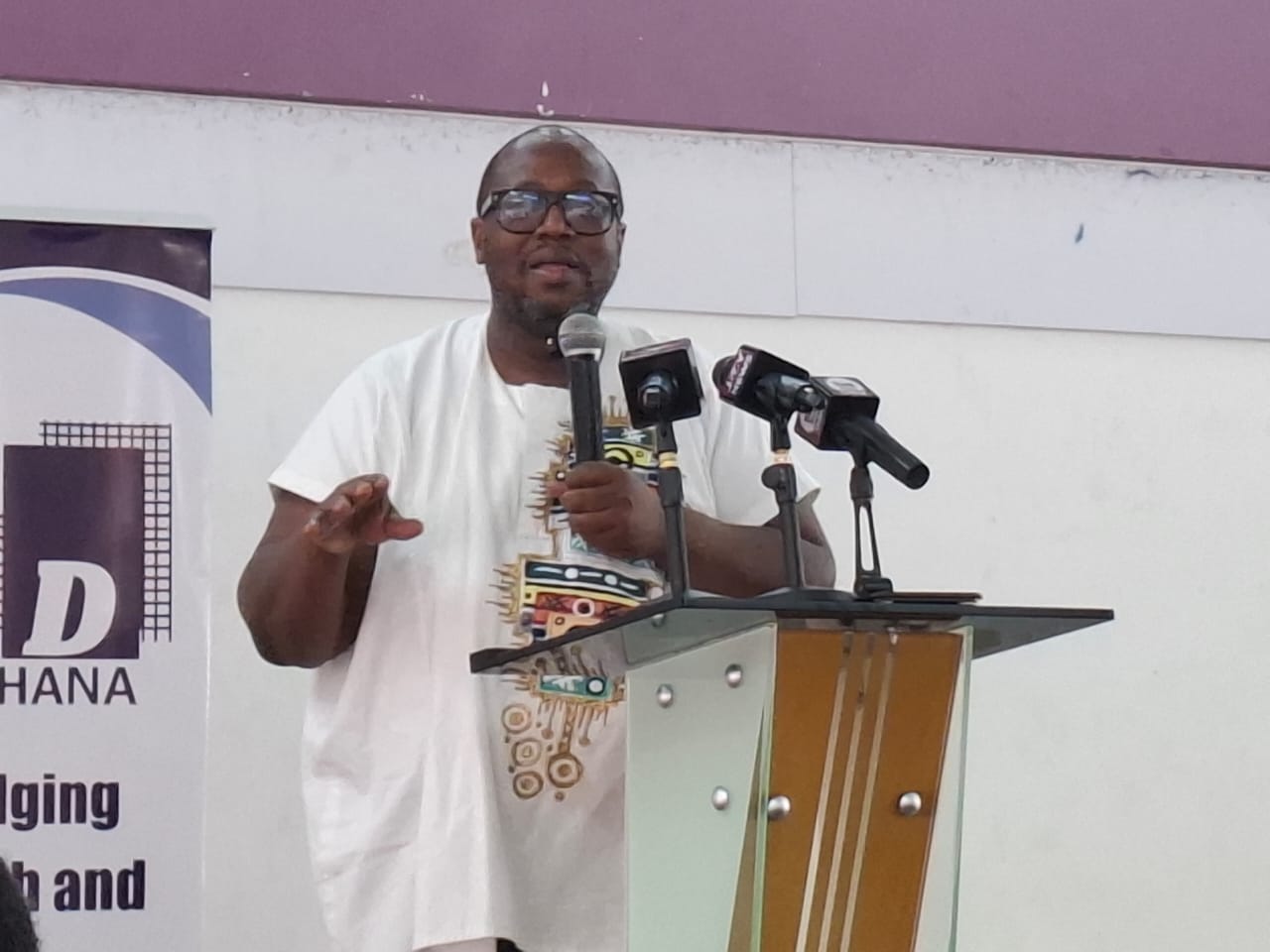
Presenting the report, Paul Nana Kwabena Aborampah Mensah, Team Lead for Local and Urban Governance at CDD-Ghana, identified political interference as one of the most pervasive challenges affecting MMDAs.
According to him, political actors routinely influence key administrative decisions, including staff postings, contract awards and internal decision-making processes—often at the expense of efficiency and transparency.
“Some staff are seen as untouchables,” he noted, explaining that politically connected individuals are frequently shielded from disciplinary action, thereby eroding institutional authority and weakening the role of District Coordinating Directors.
This environment, the report suggests, creates a culture of impunity, where merit-based administration is replaced by political patronage, ultimately affecting the quality of governance and public service delivery.
Breakdown of administrative authority
The study, which surveyed 252 respondents across 24 MMDAs in 12 regions, further revealed growing tensions between political heads of assemblies and administrative officials.
These strained relationships are said to be disrupting day-to-day operations and undermining coordination within local government structures.
Centralised control over human resource management was also identified as a major constraint, limiting the ability of assemblies to recruit, discipline and manage staff independently.
This, combined with political interference, has contributed to widespread inefficiencies and weakened institutional effectiveness.
Weak accountability and governance systems
Beyond political interference, the report highlighted systemic weaknesses in accountability and governance processes at the district level.
Although general assembly meetings are regularly held, they are often reduced to procedural exercises, with limited room for meaningful debate on critical issues such as budgets and development priorities.
Subcommittee meetings, which are essential for detailed policy discussions, are frequently irregular due to funding constraints.
In addition, weak engagement between assembly members and their constituents has further eroded public trust and participation in local governance.
The study also found that many citizens are unaware of the existence or role of Public Relations and Complaints Committees, limiting avenues for redress and feedback.
Fiscal constraints worsen the situation
The negative impact of political interference is compounded by weak fiscal decentralisation.
The report pointed to delays in the release of the District Assemblies Common Fund and poor mobilisation of Internally Generated Funds (IGF), which in many districts account for less than one per cent of total revenue.
These financial constraints have significantly reduced the capacity of MMDAs to implement development projects and respond to local needs, further weakening their effectiveness.
Debate over electing MMDCEs
The survey also touched on the long-standing debate over whether Metropolitan, Municipal and District Chief Executives (MMDCEs) should be elected rather than appointed.
While there was broad support among stakeholders for electing MMDCEs, respondents cautioned that such a move could deepen political partisanship and introduce excessive monetisation into local governance.
“Electing MMDCEs alone will not resolve the broader structural problems,” the report stated, stressing that deeper institutional reforms are required to address the underlying challenges.
Calls for structural reforms
To address these issues, CDD-Ghana recommended a series of reforms aimed at strengthening decentralisation and reducing political interference.
These include enhancing financial autonomy through improved revenue mobilisation and timely release of statutory funds, enforcing non-partisan principles in local governance, and devolving human resource management to district assemblies.
The report also called for the revitalisation of grassroots governance structures, increased citizen engagement, and the formal integration of traditional authorities into local planning processes.
Experts weigh in
Reacting to the findings, Emmanuel Akwetey, Executive Director of the Institute for Democratic Governance, said Ghana could learn from other African countries that have successfully implemented decentralisation reforms.
He noted that adopting comparative approaches could help address persistent governance challenges and improve the effectiveness of local institutions.
Similarly, Henry Kwesi Prempeh, Chairman of the Constitutional Review Committee, identified political considerations as a key factor undermining decentralisation.
He observed that decisions such as the creation of districts are often driven by political interests rather than economic viability, leading to inefficiencies and unsustainable administrative structures.
Prof Prempeh proposed the establishment of an independent devolution commission to oversee the decentralisation process and insulate local governance from political manipulation.
Implications for local governance
The findings reinforce growing concerns that political interference is not only weakening MMDAs but also undermining the broader objectives of decentralisation in Ghana.
By distorting administrative processes, weakening accountability systems and limiting financial autonomy, political influence is reducing the ability of local governments to deliver essential services and drive development at the grassroots level.