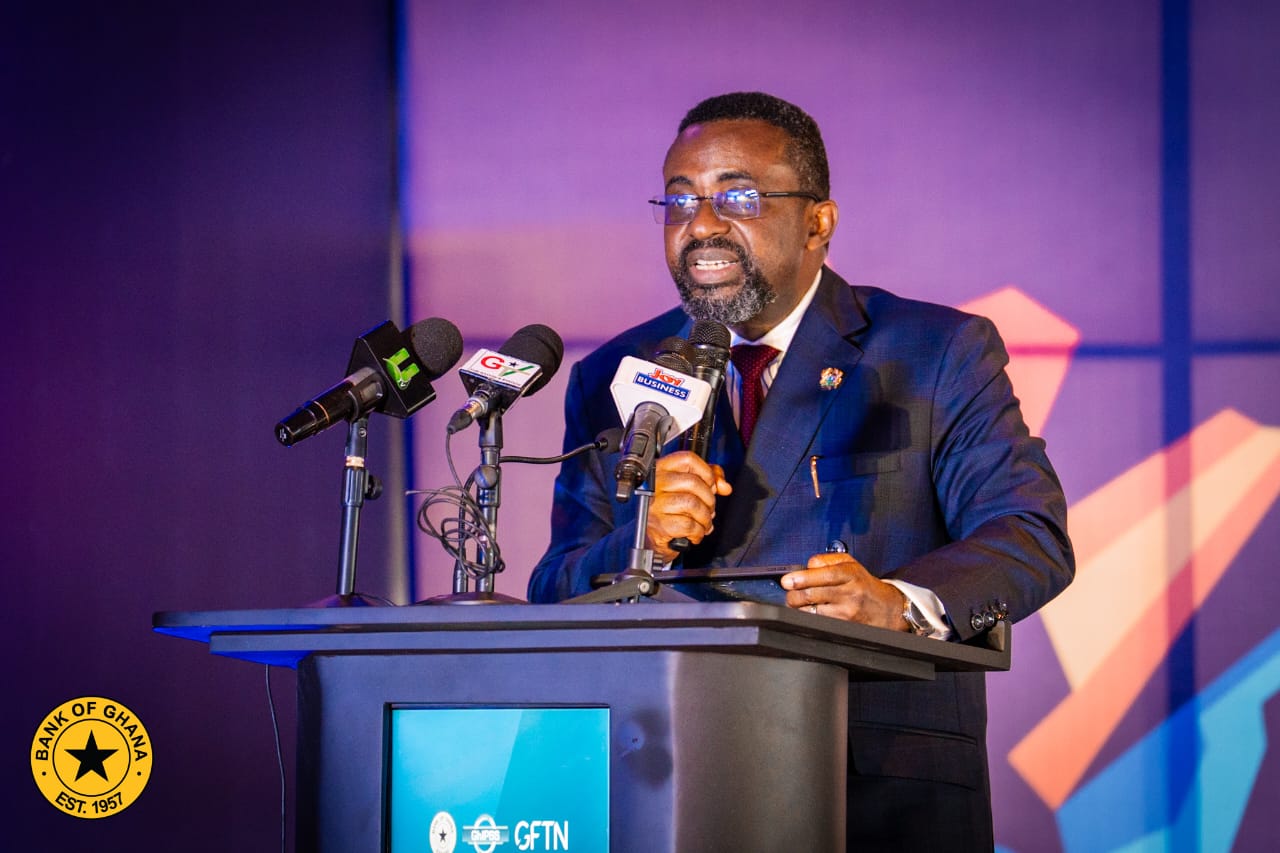
The need to integrate Africa’s fintech ecosystem as the next phase of development has taken centre stage, with the Governor of the Bank of Ghana, Dr. Johnson Pandit Asiama, urging stakeholders to move beyond isolated innovation toward a more connected and resilient financial architecture across the continent.
Delivering a keynote address at the launch of the 3i Africa Summit 2026 in Accra, Dr. Asiama said Africa’s financial transformation has reached a critical turning point, where the focus must shift from fragmented progress to integration of systems, markets, and regulatory frameworks.
He explained that while the past decade has seen significant advances in digital finance—driven by innovation, increased access, and expanding digital channels—the next frontier lies in ensuring that these gains are interconnected across borders.
“Africa does not need isolated islands of excellence. It needs connected ecosystems,” he stated, stressing the importance of interoperable payment systems, trusted digital infrastructure, and coherent regulatory approaches.
From innovation to integration
According to the Governor, the transformation of Africa’s financial system is being shaped by rapid technological change, which is redefining how value is stored, transferred, and regulated.
New business models and infrastructure are emerging, alongside evolving expectations from innovators, firms, and markets.
However, he cautioned that without deliberate coordination, these developments risk remaining disjointed and less impactful. Instead, he called for a model that aligns innovation, investment, and impact—the core pillars of the 3i Africa platform.
The inaugural summit, he noted, demonstrated strong continental and global interest in digital finance and affirmed Ghana’s growing role as a hub for fintech dialogue. Subsequent engagements, including the Policy Forum, further highlighted the urgency of translating ambition into practical, coordinated action.
Building a connected financial future
Dr. Asiama emphasized that achieving an integrated fintech ecosystem will require a strong focus on foundational elements. These include improving interoperability across financial systems, investing in reliable digital public infrastructure, deepening cross-border financial integration, and ensuring that inclusion remains central to all initiatives.
“These are not abstract priorities,” he said. “They are the practical building blocks of a more connected financial ecosystem.”
He added that collaboration between regulators, private sector players, and investors will be critical in driving this transformation, noting that no single institution can achieve the desired scale and impact alone.
Ghana’s leadership and policy direction
Positioning Ghana at the forefront of Africa’s fintech evolution, the Governor highlighted the country’s progress in digital finance as the result of intentional policy decisions, strong institutions, and sustained engagement with industry players.
He underscored the importance of balancing innovation with regulation, arguing that the two are not mutually exclusive but mutually reinforcing.
“Sound regulation creates confidence. Confidence attracts participation. Participation encourages investment, and investment supports scale,” he explained, adding that this cycle is essential for expanding financial inclusion and strengthening the overall system.
Readiness for transformation
Dr. Asiama observed that Africa is no longer defined merely by potential but by growing readiness—evident in its talent, innovation capacity, digital adoption, and entrepreneurial drive.
He said the challenge now is to convert this readiness into coordinated action and long-term institutional progress, ensuring that Africa plays a more influential role in shaping global financial systems and standards.
Call to action
The Governor called on policymakers, financial institutions, innovators, and investors to actively engage in the lead-up to the 2026 summit, using the platform to build partnerships, refine ideas, and mobilise resources.
He urged stakeholders to approach the process with strategic intent, emphasizing that the success of Africa’s fintech future will depend on collective commitment and sustained collaboration.
The 3i Africa Summit 2026, he said, represents a critical opportunity to align Africa’s ambitions with global financial trends while ensuring that the continent’s growth is inclusive, resilient, and driven by its own priorities.