The Licensed Cocoa Buyers Association of Ghana (LICOBAG) has raised the alarm over mounting challenges in the cocoa industry, warning that without urgent intervention, the sector faces a prolonged decline.
The association has called on the government to immediately review the funding model for cocoa purchases, ensure timely payments to Licensed Buying Companies (LBCs), announce the farmgate price, and fast-track reforms to restore stability to the industry.
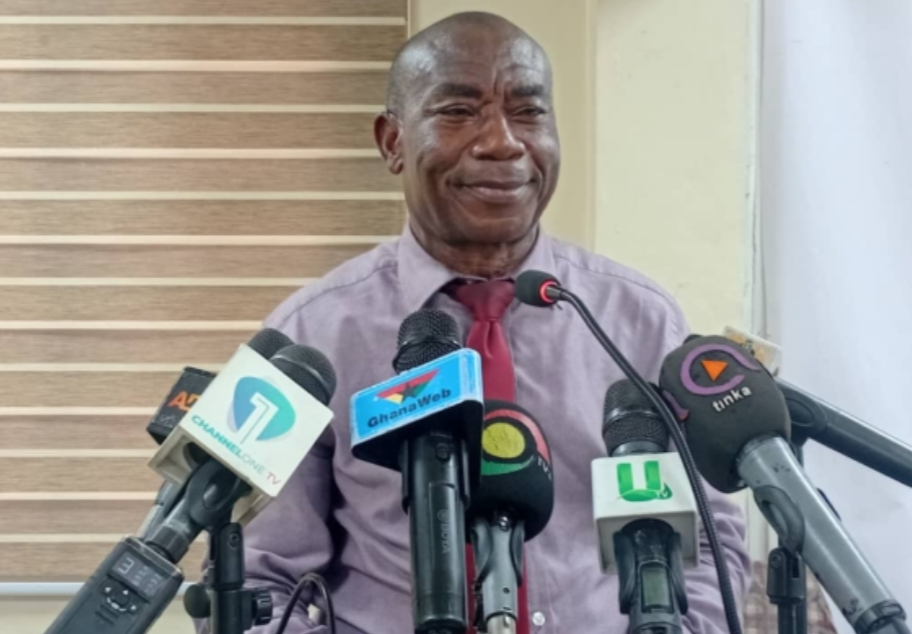
Speaking on behalf of LICOBAG, Executive Secretary Victus Dzah described the cocoa sector as struggling under the weight of funding constraints, weak sales strategies, and governance lapses.
He emphasised that decisive action is required to prevent the industry from collapsing and to safeguard the livelihoods of millions of smallholder farmers who depend on cocoa as their primary source of income.
Central to LICOBAG’s concerns is the urgent need to review the current cocoa funding framework.
The association has proposed adopting a hybrid model that combines syndicated loans—both local and international—with the present financing structure.
According to Mr. Dzah, such a model would allow LBCs to make real-time payments for cocoa purchased and delivered to ports, preventing bottlenecks in the value chain.
He further urged the government to secure emergency financing to purchase an estimated 300,000 metric tonnes of cocoa in a phased manner between now and September, warning that any delay would deepen financial distress for farmers and operators alike.
The association also stressed the importance of financial discipline, calling on the government to ring-fence all funds designated for cocoa purchases.
“Funds secured for cocoa purchases must be used strictly for that purpose,” Mr. Dzah said. “The core business of COCOBOD is to purchase cocoa beans produced by farmers, and diversion of these funds only exacerbates instability in the sector.”
LICOBAG also called for an immediate determination of the farmgate price to reduce uncertainty among all actors in the value chain, noting that discrepancies between terminal prices and what farmers receive are creating confusion and apprehension.
LICOBAG did not hesitate to highlight the role of excessive political interference in undermining the cocoa industry.
Since 2013, political appointments within COCOBOD have extended beyond the Chief Executive Officer to include staff at all levels, even drivers.
The association argued that sweeping changes following each change of government have eroded institutional memory, weakened professionalism, and compromised governance. “COCOBOD has become a dumping ground for political foot soldiers,” Mr. Dzah stated, noting that such practices have shaken confidence among LBCs and other stakeholders.
Beyond funding and governance, LICOBAG called for a major reset of operational practices within COCOBOD and the Cocoa Marketing Company (CMC).
The association advocated for building the professional capacity of cocoa traders, establishing credible succession plans to ensure job security and morale, and strengthening oversight of trading operations.
A more proactive sales strategy was also recommended to maximise returns, alongside improved communication and collaboration between LBCs and COCOBOD.
The association urged the government to divest COCOBOD from non-core activities and refocus on effective extension services for farmers.
LICOBAG stressed that revamping the cocoa industry requires more than rhetoric; it demands deliberate reforms that prioritise sustainability, professionalism, and profitability across the sector.
LICOBAG further recommended introducing a limited seed fund regime to support struggling LBCs, particularly local companies, to ensure that they remain competitive and that Ghana retains control over its cocoa value chain.
The association warned that failure to implement these measures could push farmers toward abandoning cocoa or engaging in illegal activities such as smuggling or selling their farms to illegal miners.
Such developments, they cautioned, would not only reduce output but also undermine Ghana’s position as a leading global cocoa producer.
The association’s warnings come at a critical time for the industry, which remains a backbone of Ghana’s economy, generating foreign exchange, supporting rural livelihoods, and sustaining millions of families across cocoa-growing regions. Delays in payments, weak governance, and funding challenges threaten the sector’s long-term stability and the trust of farmers and investors.
LICOBAG’s call to action underscores the urgency of decisive government intervention to safeguard Ghana’s cocoa industry, protect livelihoods, and preserve the nation’s global standing in cocoa production.