
Ghana is on the verge of a major breakthrough in emergency healthcare delivery as renowned businessman and mining mogul Ibrahim Mahama moves to provide the country’s first-ever medical jet to operate as an air ambulance.
The historic intervention, spearheaded by the Founder and Chief Executive Officer (CEO) of Engineers and Planners Company Limited (E&P), is expected to transform the way critical medical emergencies are handled in Ghana, where the absence of air ambulance services has long posed a serious challenge to life-saving interventions.
A historic first for Ghana
Ghana currently does not operate a dedicated medical jet or air ambulance system, leaving emergency response heavily reliant on road transport, which is often hindered by traffic congestion, long travel distances and limited infrastructure in remote areas.
The decision by Mr Mahama to convert his private aircraft into a fully functional medical jet is therefore being described as both timely and life-changing.
His Bombardier 604 jet, popularly known as “Dzata,” was flown out of the country on April 3, 2026, to undergo specialised modifications that will transform it into a state-of-the-art air ambulance.
Once completed, the aircraft will be equipped with advanced life-support systems, intensive care facilities and specialised medical equipment, enabling it to transport critically ill or injured patients while providing continuous medical care in-flight.
Enhancing emergency response
The introduction of a medical jet is expected to significantly improve Ghana’s emergency response capabilities, particularly in situations where time is the difference between life and death.
Medical flights are designed for rapid intervention, offering swift transportation for patients who require urgent care over long distances.
Unlike conventional ambulances, which can be delayed by road conditions or geographical barriers, air ambulances can bypass these limitations, drastically reducing response times.
For patients in life-threatening conditions—such as severe trauma, cardiac emergencies or complicated medical cases requiring specialist treatment—the availability of a medical jet could mean faster access to critical care and improved survival outcomes.
Bridging healthcare gaps
Beyond emergency response, the medical jet will play a crucial role in bridging gaps within Ghana’s healthcare system.
In many cases, patients requiring highly specialised treatment are forced to travel abroad due to limited local capacity.
The absence of dedicated medical transport has often complicated such transfers, increasing risks and costs.
Even before its conversion, the aircraft had been used to transport several Ghanaians overseas for critical medical care not available locally, saving lives in the process.
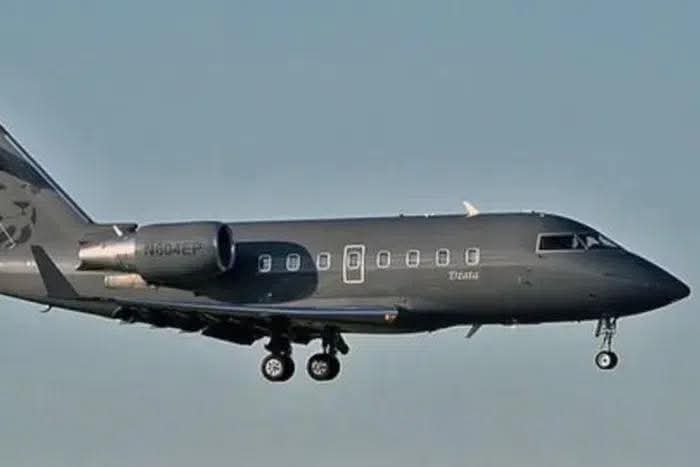
Its transformation into a fully equipped air ambulance will formalise and expand this capability, making such interventions more structured and accessible.
A boost for national healthcare infrastructure
Health experts say the initiative represents a significant step forward in strengthening Ghana’s emergency medical infrastructure.
Air ambulances are an essential component of advanced healthcare systems globally, providing rapid evacuation, inter-hospital transfers and disaster response support.
The introduction of such a service in Ghana is expected to complement existing healthcare delivery systems, improve coordination in emergencies and enhance overall patient care.
It will also be particularly beneficial for underserved and hard-to-reach areas, where access to advanced medical facilities remains limited.
Humanitarian impact
The move has also drawn widespread praise for its humanitarian significance.
Mr Mahama’s intervention highlights the role of private sector leadership in supporting national development, particularly in critical sectors such as healthcare.
Known for his philanthropic contributions across education, healthcare and business development, the businessman has consistently supported individuals and communities in need.
Through E&P, which employs over 4,500 workers and has executed major projects across mining, infrastructure and industrial development, he has established a strong track record of contributing to Ghana’s economic growth.
Looking ahead
Although details regarding the timeline for the jet’s return and operational rollout have not yet been disclosed, expectations are high that the initiative will mark the beginning of a new era in emergency medical services in Ghana.
Stakeholders believe that the introduction of the medical jet could also pave the way for broader investments in air ambulance services, encouraging both public and private sector participation in strengthening healthcare delivery.
Saving lives through speed and care
At its core, the significance of the medical jet lies in its ability to save lives.
By combining speed, advanced medical technology and skilled personnel, air ambulances provide a critical lifeline for patients in urgent need of care.
In a country where delays in emergency response can have fatal consequences, the introduction of a medical jet represents a powerful intervention—one that could redefine outcomes for critically ill patients and bring hope to countless families.
As Ghana prepares to welcome this first-of-its-kind facility, the initiative stands as a testament to innovation, compassion and the enduring impact of timely intervention in saving lives