Ghana’s economy is projected to remain relatively shielded from the adverse effects of the ongoing conflict between the United States and Iran according to Fitch Solutions, an international rating agency.
“This is largely due to the country’s strong gold sector and improved macroeconomic fundamentals,” it said.
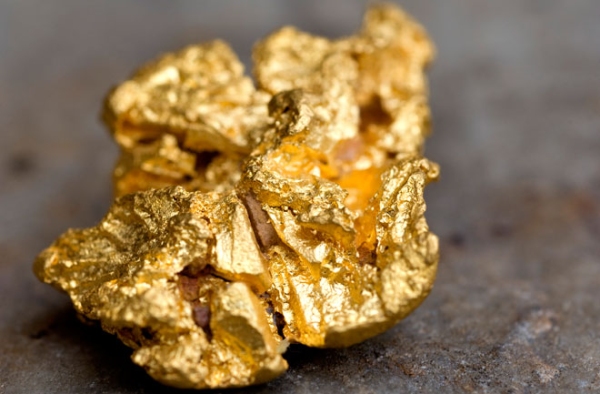
Risk analysts say elevated global gold prices continued to provide a critical buffer for the Ghanaian economy, helping to offset potential external pressures stemming from geopolitical tensions in the Middle East.
Ghana, Africa’s largest gold exporter, was expected o benefit significantly from sustained high gold prices despite recent volatility in global markets, they said.
Although gold prices have eased since the conflict escalated in late February, Fitch Solutions said they remained historically high, supporting export earnings and foreign exchange inflows.
With gold accounting for about 75 per cent of Ghana’s total merchandise exports in 2025, the rating agency said the sector would play a pivotal role in underpinning external stability, limiting pressure on the country’s balance of payments and the cedi.
The outlook is further strengthened by an anticipated increase in gold production in 2026.
Output is projected to rise by about 7.1 per cent, driven by project-led expansions at key mining sites, including Bibiani, Chirano and Namdini.
As a result, gold export receipts are forecasted to increase by nearly 13 per cent to about US$23.7 billion this year.
The Fitch Solution noted that the performance would more than compensate for potential disruptions from higher global energy prices linked to the conflict.
Ghana’s broadly neutral net oil trade position was also expected to cushion the economy against sharp deterioration in the external account, it said.
On the fiscal front, the rating agency noted that prior consolidation efforts and the implementation of a new gold royalty regime would help contain spending pressures, even amid heightened global uncertainty.
The strong performance of the mining sector was also likely to support government revenues.
However, Fitch Solutions cautioned that the conflict could still pose risks to domestic economic activity.
It said rising global energy prices may feed into higher inflation, which could weigh on consumer purchasing power and moderate real Gross Domestic Product growth in the short term.
Despite those challenges, Ghana’s overall macroeconomic outlook remained relatively stable compared to many peers, with the gold sector providing a key shield against external shocks related to the US–Iran conflict, the rating agency said.