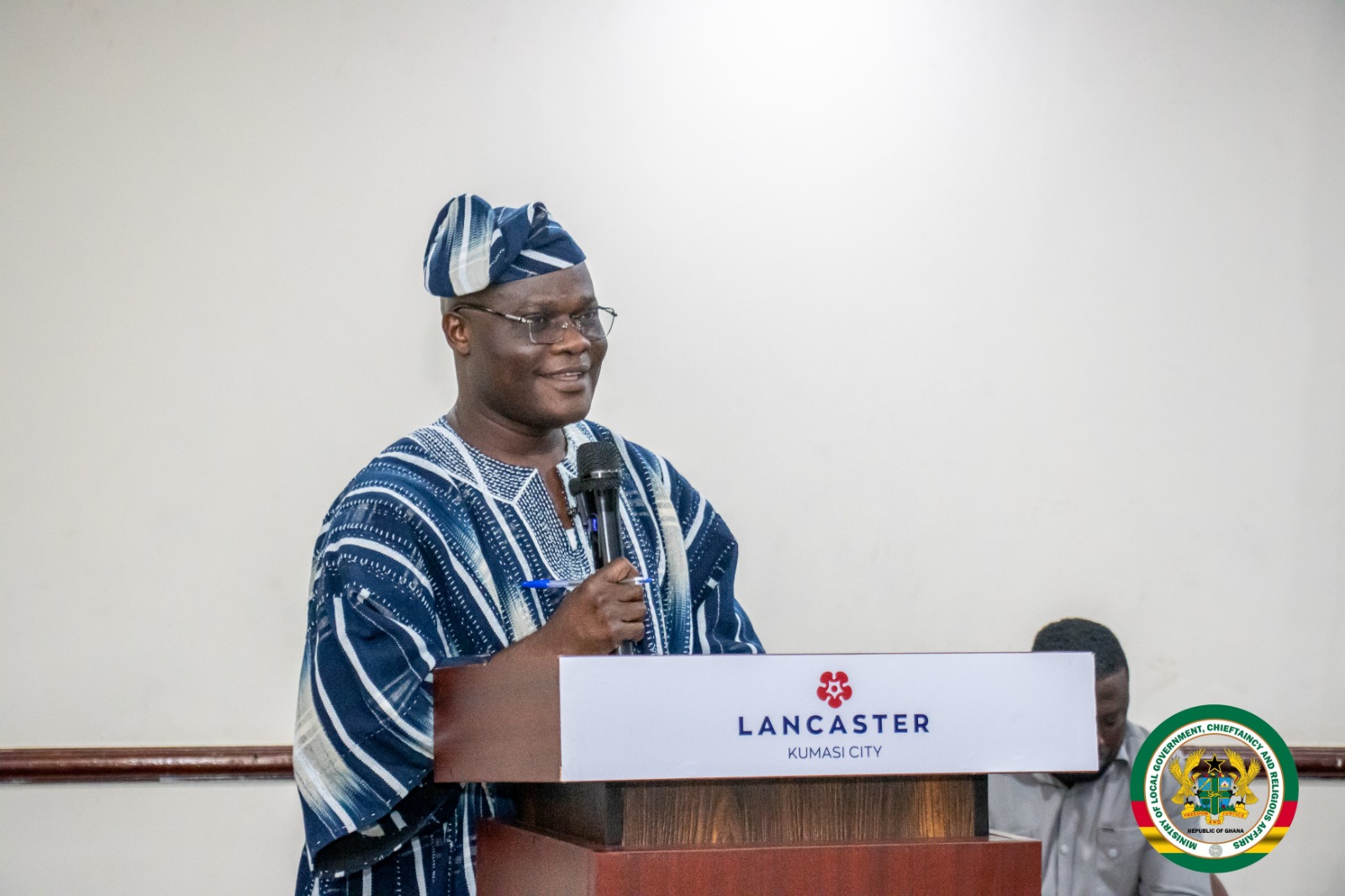
The Minister for Local Government, Chieftaincy and Religious Affairs, Ahmed Ibrahim, believes female Metropolitan, Municipal and District Chief Executives (MMDCEs) are central to shaping a more inclusive, accountable and people-centred system of governance, stressing that their leadership is critical to driving sustainable development at the local level.
It is this conviction that has informed the launch of a maiden Special Orientation and Leadership Development Programme for female MMDCEs, which he described as a strategic national intervention to strengthen inclusive governance across the country.
The two-day programme, being held in Kumasi, is being implemented in collaboration with his Deputy, Rita Naa Odoley Sowah, as part of deliberate efforts to build the capacity of women leaders within Ghana’s decentralised governance system.
Addressing participants at the opening session, the Minister underscored the indispensable role female MMDCEs play in advancing development, noting that their leadership enhances responsiveness and strengthens citizen engagement at the grassroots.
He emphasised that the initiative goes beyond a routine orientation, positioning it as a focused effort to equip participants with the skills, clarity and confidence required to navigate the complex demands of local governance.
“This is not just a training exercise, it is a strategic investment in leadership excellence and national development,” he stated.
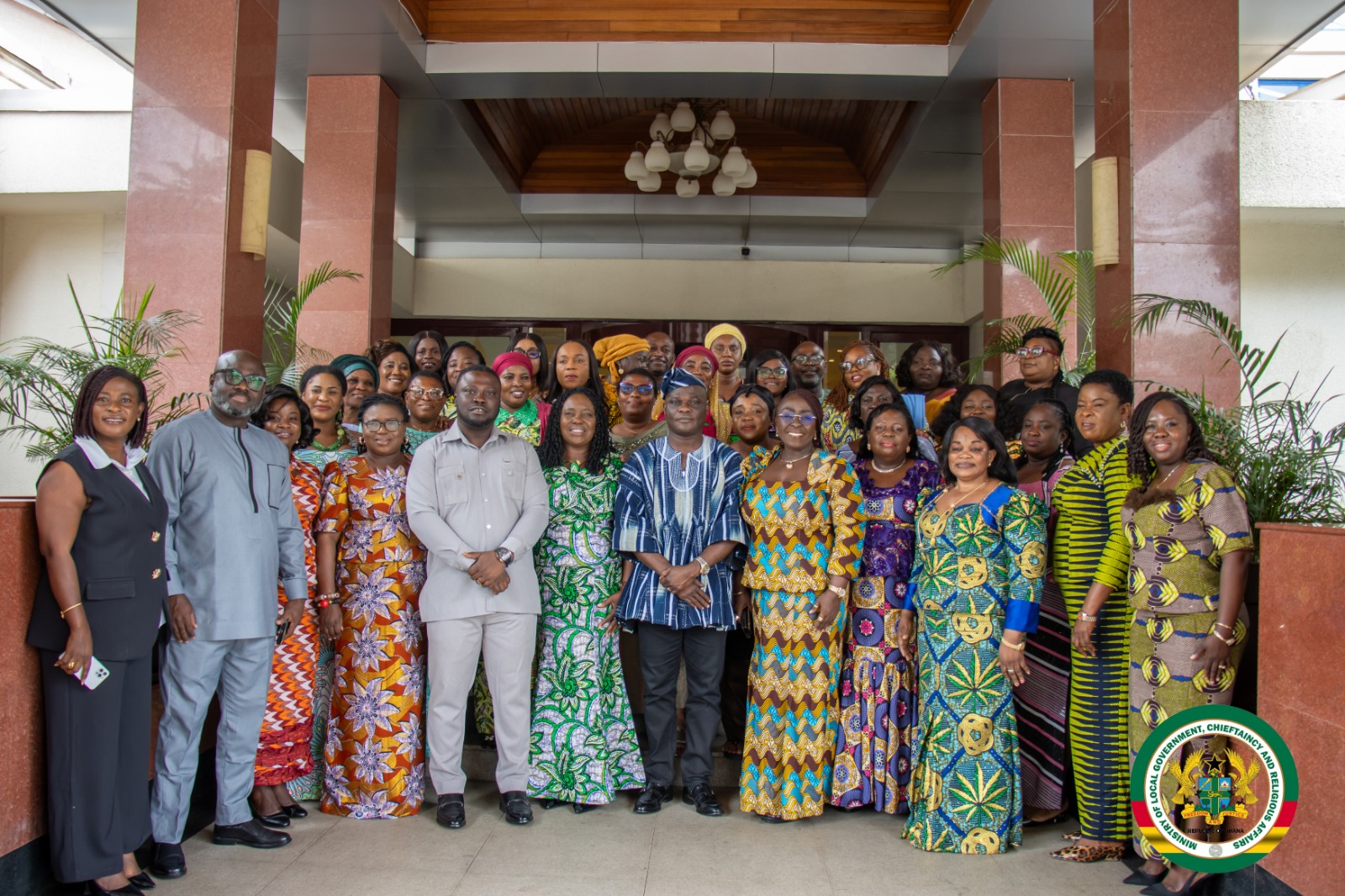
Held under the theme “Breaking Barriers, Building Legacies: Unlocking Leadership Excellence in Local Governance,” the programme reflects government’s commitment to addressing systemic challenges that have historically limited women’s participation in leadership.
The Minister observed that although women have long played vital roles in community development as organisers, entrepreneurs and mobilisers, their contributions have often remained informal and underrepresented in formal governance structures.
He added that experience continues to show that when women lead, governance becomes more inclusive, accountable and sustainable.
He anchored the initiative within Ghana’s legal and policy framework, referencing the Local Governance Act, 2016 and the 1992 Constitution of Ghana, which define the responsibilities of MMDCEs as administrative heads and development agents.
He also highlighted the Affirmative Action (Gender Equity) Act, 2024, which sets ambitious targets of 30% female representation by 2026 and 50% by 2030.
Despite these targets, he noted that women remain significantly underrepresented, occupying only about 15% of parliamentary seats, while just 30 out of 261 MMDCE positions are currently held by women. Representation at the Assembly level remains even lower, at just over four percent.
“This reality highlights the structural barriers that continue to limit women’s full participation in governance and reinforces the need for deliberate interventions such as this programme,” he said.
With Ghana preparing for the 2027 District Level Elections, the Minister urged participants to take proactive steps to encourage more women to contest and win, using community platforms such as town hall meetings to build confidence and visibility.
He also called for sustained mentorship of young women, particularly in educational institutions, to create a pipeline of future leaders.
He stressed that achieving gender equality requires collective effort, calling on men to act as partners and allies in advancing inclusive leadership.
The programme features expert-led sessions on public financial management, procurement compliance, digital governance, ethics, conflict resolution and local economic development, aligned with the government’s 24-hour economy policy.
The Ashanti Regional Minister, Frank Amoakohene, who participated in the programme, expressed pride in the region’s performance, noting that it currently has the highest number of female MMDCEs in the country.
He pledged continued support to expand women’s representation in leadership positions.
Participants are expected to apply the knowledge gained to improve governance outcomes in their districts.
The Minister concluded by urging them to embrace the programme’s vision by breaking barriers, challenging limitations and building legacies that will transform their communities