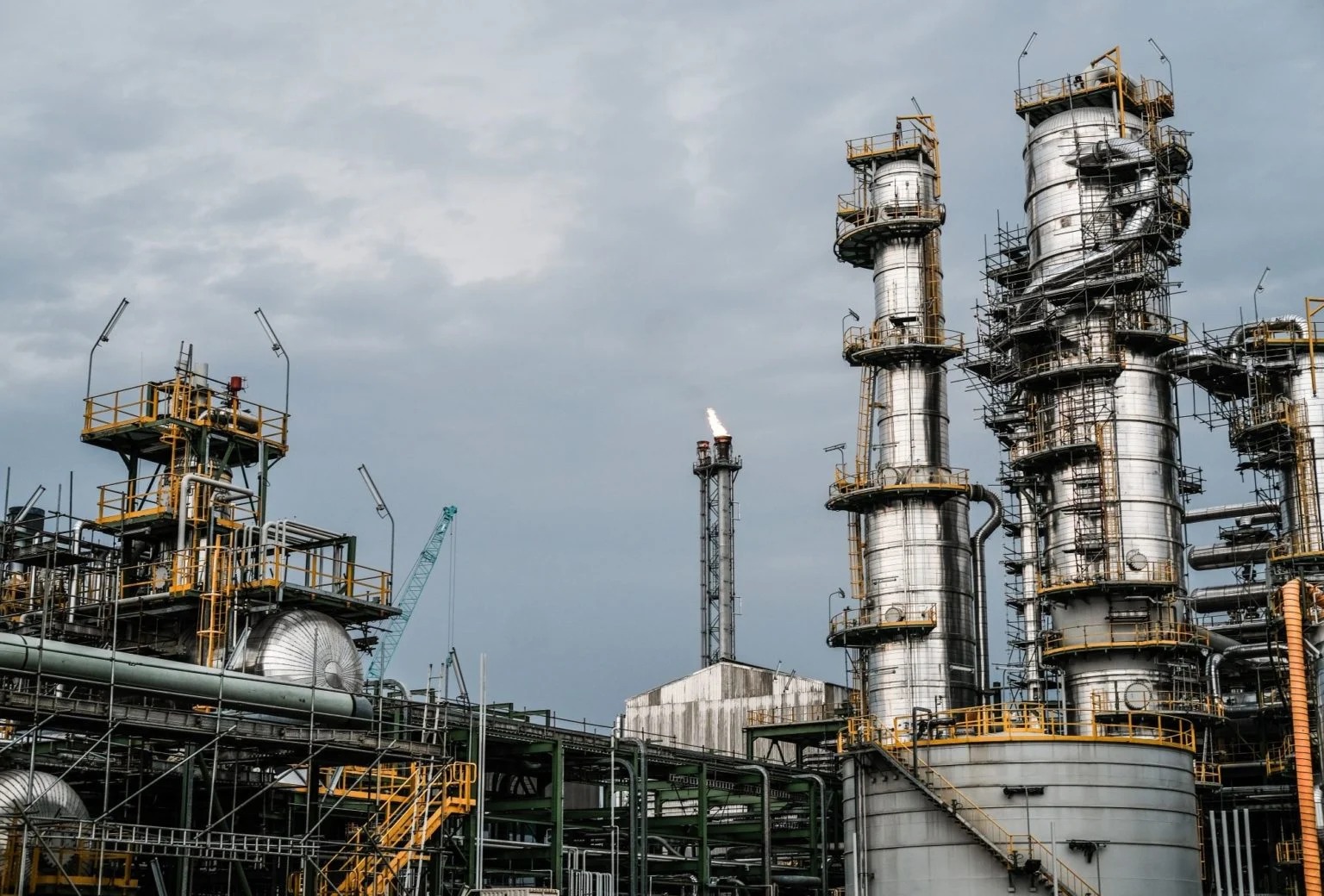
Across the globe, a new kind of crisis is gripping nations—not a pandemic, not a natural disaster, but an unprecedented energy crunch that threatens daily life, commerce, and national security. From Europe to Asia and Africa, governments are imposing measures to reduce fuel consumption, maintain essential services, and mitigate the impact of skyrocketing global oil and gas prices.
While Ghana has yet to announce formal energy lockdowns, the unfolding global situation provides a sobering glimpse into what could lie ahead if energy supplies remain constrained.
The crisis has been triggered in part by rising geopolitical tensions in the Middle East, particularly involving the United States, Israel, and Iran, which have disrupted oil supply chains and caused global benchmarks to spike.
Beyond the political catalysts, nations are confronting a hard reality: when fuel is unavailable or unaffordable, societies must adapt swiftly or face paralysis.
The hard lockdown on fuel
Authorities around the world are moving beyond encouragement and into enforcement.
Mandatory fuel rationing is now a reality in multiple countries, reshaping daily life.
From curfews to work-from-home mandates, the tools being used to curb consumption are both unprecedented and, for many citizens, highly disruptive.
The aviation industry, once the emblem of global connectivity, has been particularly hard hit.
Airlines are grappling with soaring fuel costs, leading to mass cancellations, reduced routes, and uncertainty over refueling for return journeys.
Major transit hubs are operating at reduced capacity, effectively weakening global travel corridors.
Industrial activity is also suffering. Rolling blackouts and fuel shortages are forcing factories and other energy-intensive industries to partially shut down.
Global oil demand is falling, not because of efficiency gains, but because supply constraints are curbing activity.
In Europe, emergency energy protocols have been activated months ahead of schedule, prioritizing storage over consumption in what analysts describe as an “industrial lockdown.”
This new reality is defined not by disease but by scarcity. Governments insist these measures are preventive, aimed at maintaining stability and avoiding panic.
Yet the broader impact is unmistakable: trucks stop running when fuel is scarce, goods cannot move, and planes remain grounded.
The International Energy Agency has unveiled a comprehensive ten-point action plan aimed at immediately reducing global energy demand.
Designed as short-term measures to curb consumption while ensuring essential services continue, the plan addresses transport, household energy use, and industrial operations.
It begins with encouraging work-from-home arrangements wherever possible, allowing employees to avoid commuting and thereby lowering fuel use, particularly in urban centers. Road travel is further targeted through a recommendation to reduce highway speed limits by at least ten kilometers per hour, a step that can significantly cut fuel consumption for passenger vehicles, vans, and trucks alike.
Public transportation is also a focus, with a call to shift commuters from private cars to buses, trains, and other mass transit options, reducing reliance on oil.
In congested cities, authorities are encouraged to implement alternating access schemes for private vehicles based on number plates, easing traffic and discouraging unnecessary driving.
Car-sharing initiatives and eco-driving practices are highlighted as additional ways to increase vehicle efficiency, while commercial vehicles and delivery operations are urged to optimize loads, maintain vehicles properly, and adopt efficient driving habits to lower diesel consumption.
The plan addresses household energy needs as well, advising that liquefied petroleum gas, or LPG, be diverted from transport and reserved for essential uses such as cooking.
To further reduce energy pressure, it recommends avoiding air travel wherever alternatives exist, limiting non-essential flights, particularly for business purposes.
Households are also encouraged to switch to modern cooking solutions, including electric or alternative methods, reducing dependence on LPG.
Finally, industries are called upon to implement short-term efficiency and maintenance measures, freeing up petrochemical feedstocks and reducing oil use without compromising essential production.
Taken together, these measures reflect a global strategy to navigate energy scarcity pragmatically, balancing the need for conservation with the continuity of economic and social activity.
Across continents, countries are selectively implementing elements of this plan, alongside national-specific measures tailored to their circumstances.
Asia: Work-From-Home Mandates, Rationing, and Curfews
In the Philippines, the government has introduced a mandatory four-day workweek for public sector employees.
The initiative is aimed at cutting commuting and reducing fuel use, especially for gasoline and diesel, while maintaining essential government operations.
President Ferdinand Marcos Jr also declared a state of national energy emergency, forming a committee to ensure orderly supply and distribution of fuel, food, medicine, and agricultural products.
India
India has experienced reduced gas supplies, forcing restaurants and other energy-intensive businesses to limit operations and prioritize households.
The government has also lowered fuel taxes to shield consumers from global price shocks, absorbing part of the cost to prevent domestic economic strain.
Thailand
Thailand has mandated an emergency work-from-home policy covering most state agencies, aimed at curbing fossil fuel demand amid tanker shortages in the Strait of Hormuz caused by the ongoing conflict in the Middle East.
Sri Lanka
In Sri Lanka, authorities have imposed a strict nationwide energy-saving plan, including a four-day workweek with Wednesdays designated as non-working days for schools, universities, and public institutions.
Electricity use is to be cut by 25%, with streetlights, neon signs, and commercial billboards switched off after 9:00 pm.
Citizens are limited to 15 liters of petrol or diesel per week via a QR-code system, while private firms are urged to implement work-from-home policies.
The government has also asked EV owners to avoid overnight charging to ease the burden on the power grid.
Vietnam
Vietnam has enacted lockdown-style energy-saving measures for businesses, encouraging work-from-home arrangements, minimizing travel, promoting carpooling, and cycling.
The government removed import tariffs on fuel and created a national task force to monitor supply, manage reserves, and secure new sources.
Cambodia
Cambodia is promoting energy-saving measures across all ministries and state institutions, limiting long-distance travel and in-person meetings, while emphasizing online alternatives to reduce fuel consumption.
Nepal
Nepal has implemented rationing of cooking gas and petroleum, warning against hoarding and dealing with panic-buying.
Malaysia
Malaysia, while avoiding full lockdowns, has reduced the monthly subsidized quota for Budi95 fuel from 300 liters to 200 liters and adjusted prices for RON97 and diesel, while cracking down on fuel smuggling.
Korea
Korea has introduced a fuel price cap system for the first time in nearly 30 years, alongside a five-day, license plate-based rotation system for public-sector vehicles to curb fuel use.
Europe: Rationing, Price Controls, and Industrial Shutdowns
Slovenia
Slovenia became the first European Union country to introduce emergency fuel restrictions and rationing.
Measures at gas stations aim to stabilize supply and prevent panic buying.
Austria
In Austria, the government is capping fuel retailers’ margins at 50% above pre-crisis levels until the end of 2026.
Petrol and diesel taxes have been cut by 5 euro cents per liter, with fuel price adjustments limited to three times per week.
Germany
Germany has passed legislation limiting petrol stations to a single price increase per day while allowing reductions at any time, with fines of up to €100,000 for breaches.
The move aims to curb excessive fuel price fluctuations in the wake of the Iran war.
Sweden
Sweden is reducing petrol and diesel taxes to the EU minimum and introducing a 2.4 billion kronor aid package to households for high electricity and gas costs.
The United Kingdom has introduced a £53 million support package for households reliant on heating oil, targeting rural populations exposed to high energy costs.
Americas: Emergency Funds and Public Transport Subsidies
Chile
In Chile, President Jose Antonio Kast enacted the Energy Emergency Law, reactivating the Petroleum Price Stabilization Fund with a $60 million injection to reduce paraffin costs for low-income families. Public transport fares in Santiago are frozen, with subsidies planned for regional areas.
Africa: Rationing, Ethanol Blends, and Power Cuts
African nations have been particularly proactive in rationing fuel and electricity.
South Sudan
South Sudan has implemented strategic power rationing in Juba due to limited domestic refined fuel supplies.
Rotational cuts see power off from late afternoon until early morning, paralyzing businesses.
Mauritius
Mauritius, heavily reliant on oil imports, has imposed restrictions to curb electricity waste, especially in high-consumption areas. Shortages have been temporarily mitigated with alternative fuel supplies from Singapore, albeit at higher costs.
Ethiopia
Ethiopia has prioritized fuel supplies for security institutions, key government projects, industries, and essential goods production. In the Tigray region, authorities have suspended fuel deliveries completely.
Zimbabwe
Zimbabwe has increased ethanol content in petrol from 5% to 20% and removed some fuel import taxes to curb price increases, which have surged 40% in under a month.
Kenya
Kenya is facing temporary fuel shortages at about 20% of petrol stations due to panic buying.
Authorities have denied systemic shortages, urging citizens not to hoard fuel.
The floriculture industry has suffered losses exceeding $4 million due to shipping disruptions.
The Kenya Ports Authority is prioritizing perishable exports like tea, flowers, and avocados.
Uganda
Uganda has assured citizens that fuel supplies remain sufficient, warning distributors against price hikes.
South Africa
South Africa currently has stable fuel supplies but cautions that prolonged Middle East conflicts could disrupt availability and pricing.
Ports and maritime services in southern and eastern Africa could benefit from tankers rerouting around the Red Sea and the Strait of Hormuz, creating logistical pressures on ports from Walvis Bay to Durban.
Nigeria
Nigeria, Africa’s second-largest oil producer, stands to gain from higher prices by pumping more oil to meet global demand. However, economists warn that ordinary citizens may see rising transport costs as international petrol prices increase.
Egypt
Shops, restaurants and cafes in Egypt have been told to close early as part of a raft of temporary measures to combat soaring energy prices caused by the Iran war.
Retail and dining premises will have to close by 21:00 (19:00 GMT) each night for the next month, beginning on Saturday.
Asia and the Middle East: Curfews, Industrial Rationing, and Cooking Priorities
Egypt is set to impose nightly curfews on commercial activity and reduce street lighting to conserve energy.
Bangladesh has ordered nationwide closures of schools, universities, and coaching centers to cut electricity consumption and transportation fuel use.
India prioritizes household needs as energy-intensive businesses face restrictions.
The Philippines, in addition to a four-day workweek, is managing the national emergency with committees overseeing fuel, food, and essential goods distribution.
Aviation and transport disruptions
Across Asia, Europe, and Africa, airlines and transport networks are severely affected.
Sky traffic is curtailed, and mass cancellations are routine.
Freight movement is slowed, ports experience congestion, and global trade corridors are strained.
Countries are restricting road use, capping highway speeds, and implementing car-sharing schemes to reduce fuel demand, echoing the IEA’s 10-point plan.
Industrial and household measures
Globally, households are adjusting to rationing, with limits on cooking fuel, electricity, and vehicle use.
Industries are adopting efficiency measures and temporarily halting non-essential operations.
In some countries, electric vehicles are encouraged for daytime use, while government institutions are mandated to implement energy-saving protocols.
Ghana’s position
Ghana, for now, has not announced formal energy lockdown measures.
However, with global oil prices surging and regional supply chains under pressure, policymakers are monitoring international trends closely.
Ghanaian authorities may consider adopting similar strategies—such as work-from-home policies, vehicle rationing, and industrial efficiency measures—to safeguard energy security if shortages intensify.
Conclusion
The global energy crisis has ushered in a new era of “lockdowns” driven not by viruses but by scarcity.
Nations from Asia to Europe and Africa are responding with rationing, curfews, price controls, and emergency policies to maintain essential services.
The International Energy Agency’s 10-point plan provides a blueprint for reducing demand, yet the economic, social, and logistical ramifications are already being felt worldwide.
As countries navigate a precarious balance between energy conservation and economic activity, the world is witnessing an extraordinary test of resilience.
The immediate priorities are clear: ensure essential services continue, prevent social unrest, and stabilize fuel markets.
The broader implications—on travel, trade, and industrial output—may be felt for months, if not years, to come.
Ghana’s response in the coming months will be critical in determining whether the country can weather potential disruptions with minimal impact on its citizens, economy, and essential services.
The global situation underscores a universal lesson: energy scarcity is no longer a distant risk; it is here, and it is reshaping life across the planet.
By ELVIS DARKO, Accra