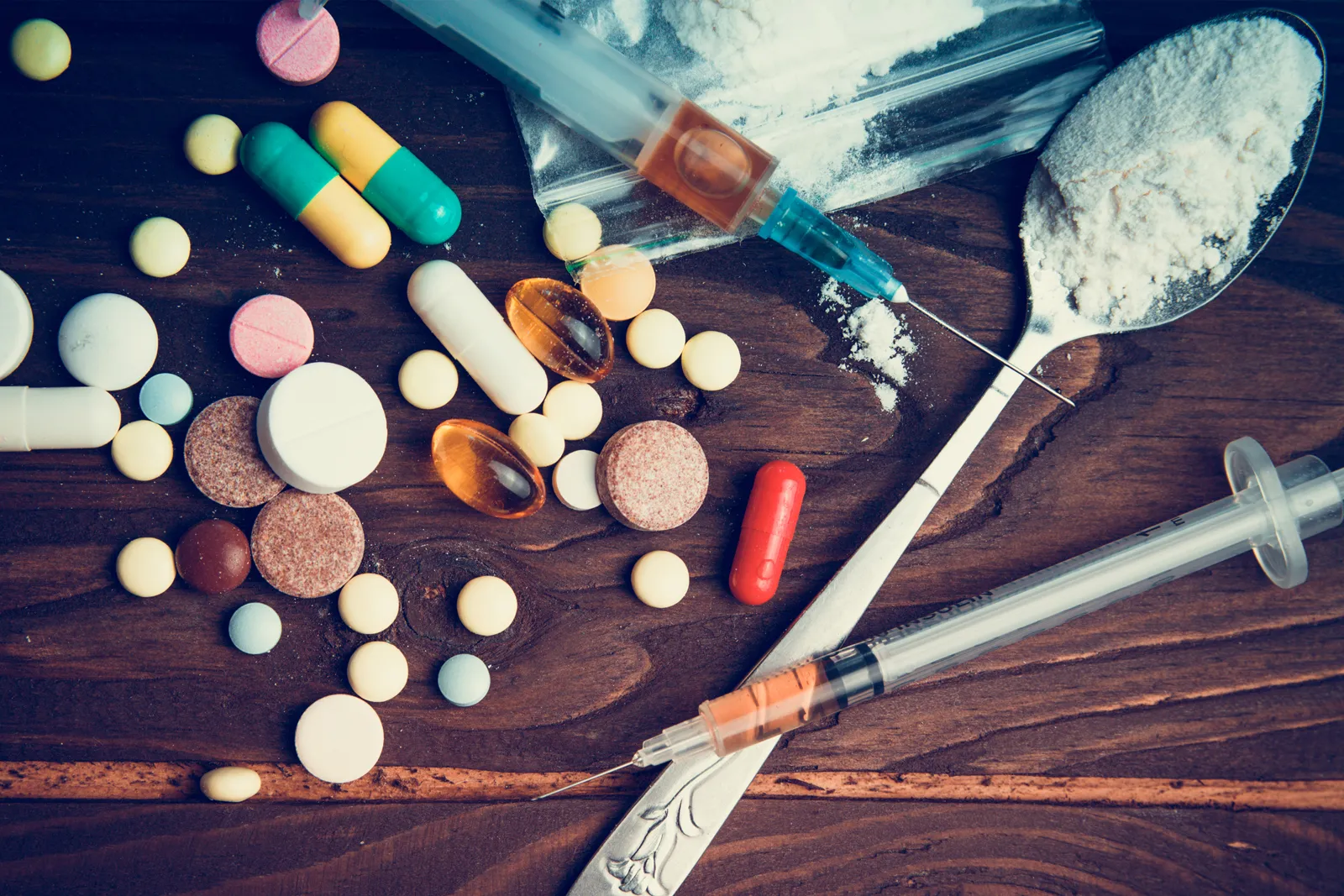
A growing awareness of drug use among students in Ghana’s educational institutions has raised serious concerns about the future of the country’s youth, following new research findings presented to Parliament.
Data from a study conducted by the Ministry of Youth Development and Empowerment shows that five out of every 10 Senior High School (SHS) students are aware of active narcotic drug use on their campuses.
Among tertiary students, the situation appears even more pronounced, with seven out of 10 students reporting awareness of drug-related activities within their institutions.
The findings, disclosed by the Minister for Youth Development and Empowerment, George Opare-Addo, paint a troubling picture of increasing exposure to substance use among young people—many of whom are still in their formative years.
According to the research, the affected SHS students are typically between 14 and 15 years old.
While many are not direct users, their awareness of such activities suggests that drug use is becoming more visible and, potentially, more normalised within school environments.
The study further revealed that 10% of students were aware of heroin and cocaine use, while a significantly higher proportion—60%—reported awareness of Indian hemp (weed) consumption. Another 60% also acknowledged alcohol use among their peers.
Implications for Ghana’s youth
The findings highlight a deeper social challenge facing the country. Increased exposure to drugs at an early age raises the risk of experimentation, addiction, and long-term health consequences. It also threatens academic performance, discipline, and the overall development of young people.
Experts warn that if left unchecked, the trend could undermine Ghana’s human capital development, with long-term consequences for productivity, national security, and economic growth.
A generation increasingly exposed to substance abuse risks being less equipped to contribute meaningfully to the country’s development agenda.
The situation is particularly concerning given that, according to the Minister, many young people who engage in drug use are those who have completed SHS but are struggling to find employment.
This points to a strong link between youth unemployment, frustration, and vulnerability to substance abuse.
Govt response
In response to the findings, the Ministry, through the National Youth Authority in partnership with the United Nations Development Programme, is rolling out the “Red Means Stop” campaign, aimed at reshaping attitudes and discouraging drug use among young people.
Additionally, a “Peace and Security” programme is being implemented across schools to prevent violence and instill a sense of national responsibility and patriotism among students.
Mr Opare-Addo assured Parliament that the government remains committed to tackling the issue through education, awareness campaigns, and youth empowerment initiatives.
A call for urgent action
The findings serve as a wake-up call for policymakers, educators, parents, and communities. Beyond enforcement, experts say addressing the root causes—particularly unemployment, peer pressure, and lack of opportunities—will be critical in reversing the trend.
As Ghana seeks to harness the potential of its youthful population, ensuring that young people are protected from the dangers of drug abuse will be essential to securing the country’s future.