Ghana has begun developing its second National Financial Inclusion and Development Strategy (NFIDS) for 2027 to 2031, placing financial health at the centre of the countrywide initiative.
The financial health refers to how well an economic system manages its resources, supports sustainable growth, withstands shocks, and provides for its households, businesses, and government.
Ghana’s new financial strategy development process was inaugurated on Thursday in Accra, in the presence of Queen Máxima of the Netherlands, the United Nations Secretary-General’s Special Advocate for Financial Health (UNSGSA), who is on an official visit to Ghana.
The event, attended by regulators, financial institutions, diplomatic corps, and other stakeholders, had a fire-side discussion with Queen Máxima on the theme: “Shaping Ghana’s Next Frontier in Financial Inclusion and Development.”
It saw the inauguration of the National Technical Committee, comprising representatives from the Ministry of Finance, financial sector regulators and other stakeholders, with the document expected to be launched in the first half of 2027.
Ghana’s reformed financial strategy, when ready, would operationalise a financial health framework that would assess whether households could meet everyday expenses, withstand financial shocks, save and invest in their future.
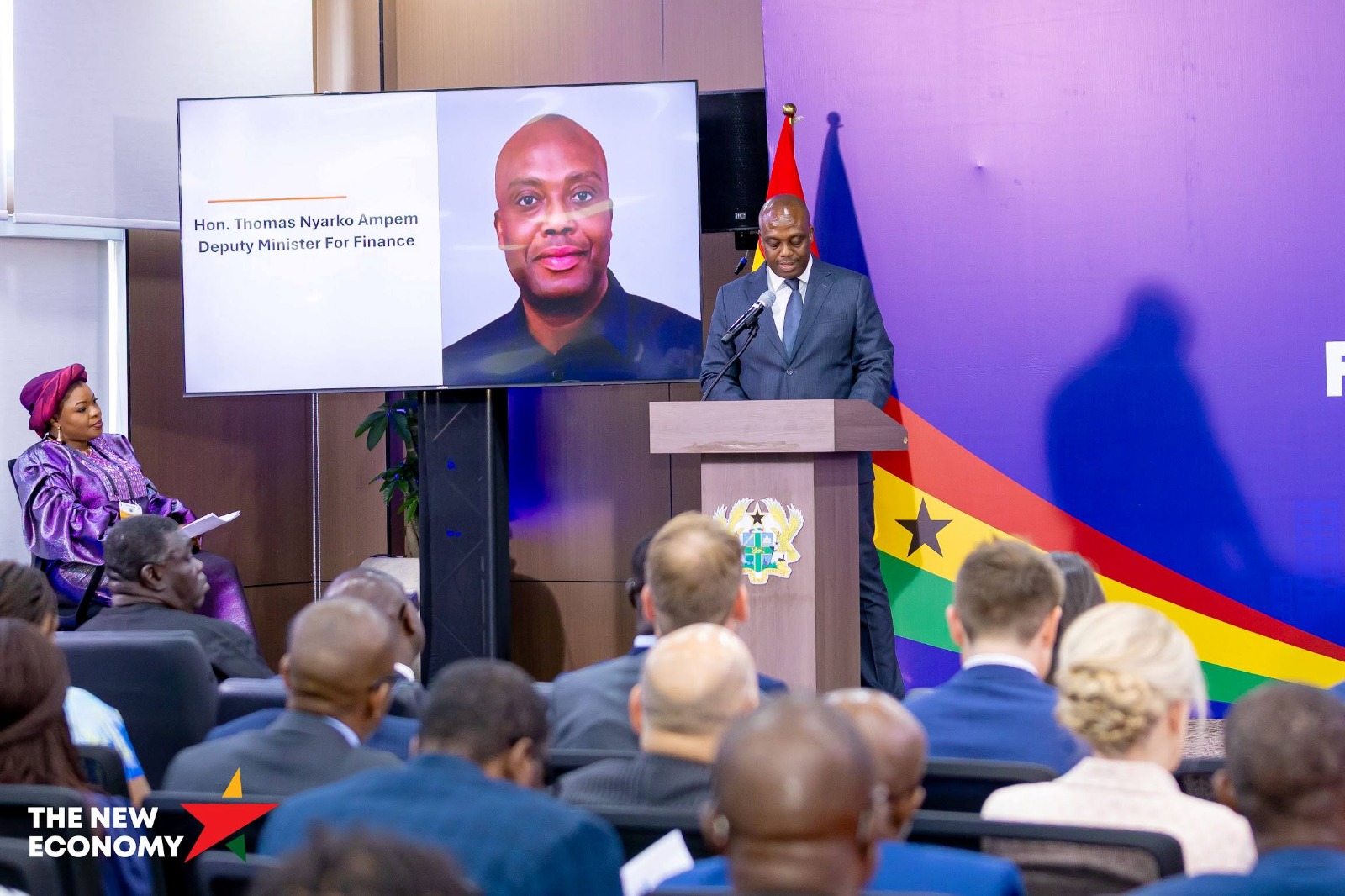
Speaking at event, Mr Thomas Nyarko Ampem, Deputy Minister of Finance, referred to World Bank’s Global Findex 2025 report, which showed Ghana’s progress in financial inclusion, with eight out of every 10 (80 per cent) adults having financial account, including digital wallets.
He, however, cited the 2021 FinScope Survey that found only 22 per cent of Ghanaian adults were financially healthy, saying, “we have become good at opening accounts. We must now become better at making accounts improve lives.”
He noted that the country’s focus now was on translating its shared ambition into concrete actions by moving from giving people access to finance, to providing them with the means to withstand shocks, build assets and plan for the future.
He stated that the new strategy comes as the Finance Minister prepares to present the government’s 2027 Budget Statement on November 12, having worked over the last two years to restore macroeconomic stability.
The Deputy Minister said the 2027-2031 roadmap would move from access to meaningful usage, from financial transactions to financial security, and from financial inclusion to financial well-being.
“The new strategy will support affordable and responsible financial services, digital innovation, consumer protection, financial literacy and resilience, particularly for women, young people, farmers, informal workers and small businesses,” he said.
He mentioned that government had planned to establish a Financial Inclusion Council to strengthen coordination and accountability among ministries, financial sector regulators and other stakeholders to drive implementation.
The Deputy Minister said Ghana’s ambition extended to a broader financial sector reforms, including deepening capital markets and unlocking investment, and making investment more accessible, with sound regulation and investor protection.
He urged regulators, financial institutions, fintech companies, insurers, pension providers and development partners to approach the assignment with a shared sense of purpose of improving the lives of Ghanaians through financial health.
Mr Ampem traced Ghana and the Netherlands relations to about four centuries, from the Dutch presence at Elmina in the 17th Century to present-day cooperation in trade, agriculture and investment.
“Four centuries ago, the economic relationship between Ghana and the Netherlands was shaped, in part, by the movement of commodities and capital. Today, we have an opportunity to write a different chapter, one built on equal partnership, financial empowerment and shared prosperity,” he stated.
The UN Envoy said Ghana’s 80 per cent financial account ownership and growing macro stability, placed the country at a pivotal moment to focus on financial health, urging banks and other financial service providers prioritise the ability of their clients to withstand shocks.
She urged Ghana to anchor financial health in four pillars: managing finances, building resilience through savings and insurance, investing in long-term goals like business, housing, education and retirement, and living without financial stress undermining wellbeing.
Queen Máxima’s visit aims to offer valuable insights into the aspirations and everyday financial challenges of Ghanaians, engaging with farmers, market women, financial institutions and traditional leaders, including Otumfuo Osei Tutu II.