The Federation of African Journalists (FAJ) has rejected censorship and greater state control of the media as solutions to the growing threats posed by misinformation, disinformation, hate speech and the misuse of artificial intelligence (AI) across the continent.
The President of the FAJ, Omar Faruk Osman, said the response to the deteriorating information environment must instead be anchored in strong, independent and professional journalism, supported by effective media and information literacy.
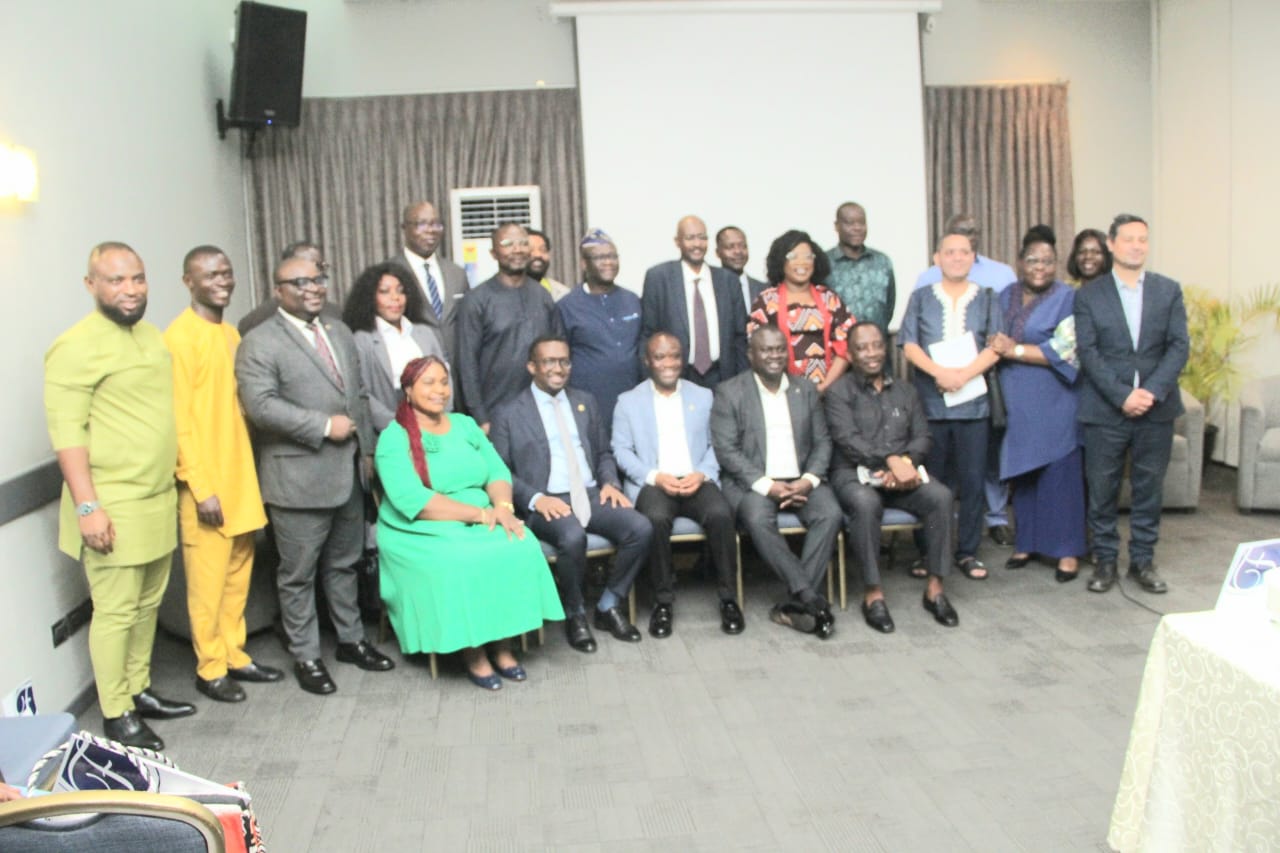
Mr Osman made the call on Thursday, September 17, 2026, at the opening of the FAJ Steering Committee Meeting in Accra, hosted by the Ghana Journalists Association (GJA).
He said information integrity would be a major issue at the two-day meeting because of the increasing impact of misinformation, disinformation, hate speech and the misuse of AI on public trust and democratic governance.
“The answer cannot be censorship or greater state control over journalists. It must be strong, independent and professional journalism supported by effective media and information literacy,” he said.
Journalism must remain independent
Mr Osman called for African journalists to be fully involved in continental and global discussions on information integrity, stressing that the profession had a critical role in ensuring that citizens received accurate and reliable information.
He said efforts to address false and harmful information should strengthen journalism rather than weaken the independence of the media.
According to him, journalists had a responsibility to provide citizens with credible information, particularly at a time when new technologies were rapidly transforming how information was produced, distributed and consumed.
He said the FAJ would continue to advocate for an environment in which journalists could perform their professional duties independently and contribute meaningfully to public discourse and democratic governance.
Arrests, intimidation threaten journalists
The FAJ President also drew attention to the difficult conditions confronting journalists across Africa.
He said journalists continued to face arrests, intimidation, violence, restrictive laws and online attacks, while economic insecurity was further weakening the profession.
Poor remuneration and difficult working conditions, he added, were exposing many media workers to exploitation and undermining the independence of journalism.
For the FAJ, he said, the defence of media freedom could not be separated from the defence of the labour rights of journalists.
“A journalist who has no fair salary, secure contract, social protection or right to organise cannot be truly free,” Mr Osman said.
He therefore called on journalists’ unions and professional associations to strengthen their organisation, defend the rights of practitioners and work towards improving their working and living conditions.
Africa must tell its own story
Mr Osman also called for greater African ownership of narratives about the continent, arguing that African journalists needed the freedom, resources and professional space to tell Africa’s story from African perspectives.
“For too long, our continent has been presented through narratives that do not always reflect its realities, aspirations or achievements,” he said.
He said strengthening Africa’s voice and visibility would be an important part of the work of the FAJ and its member organisations.
The call comes as African media organisations confront the dual challenge of countering inaccurate information while ensuring that efforts to protect information integrity do not become mechanisms for suppressing legitimate journalism and public debate.
FAJ prepares for Continental Congress
The FAJ Steering Committee meeting is also expected to discuss governance and affiliation matters, strengthen Africa’s voice within the global journalists’ movement and prepare for next year’s Continental Congress of African Journalists.
Mr Osman said the Congress would bring together journalists’ unions and associations from across Africa to discuss common challenges, elect leadership and determine the future direction of the Federation.
He said the decisions taken at the Accra meeting should help ensure that the Congress was democratic, inclusive and representative of the journalists served by the FAJ.
The meeting therefore provides an opportunity for African journalists’ organisations to consider not only the threats posed by misinformation, disinformation, hate speech and AI, but also the conditions necessary for journalists to operate freely and professionally.
For the FAJ, the answer to Africa’s information challenges lies not in greater state control, but in strengthening independent journalism, improving media and information literacy, protecting journalists’ rights and giving African media professionals the space and resources to provide citizens with reliable information.