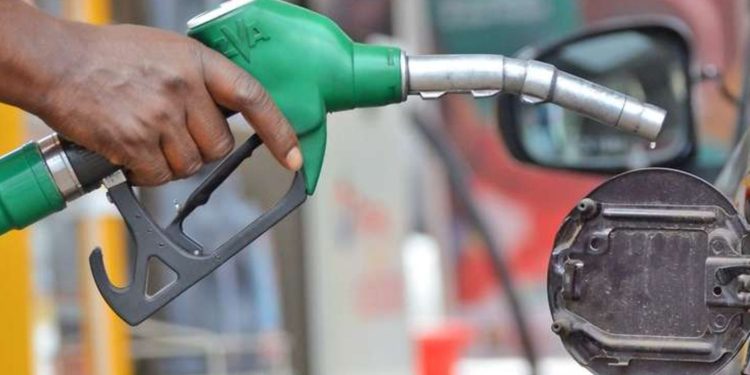
The Chamber of Petroleum Consumers (COPEC) is projecting an increase in fuel prices at the pumps from the second pricing window of September, which begins on September 16, following a rise in global crude oil prices.
Executive Secretary of COPEC, Duncan Amoah, said the recent surge in Brent crude oil prices, which has crossed the $100 per barrel mark, is likely to feed into local petroleum prices, particularly as market and importation premiums remain elevated.
He explained that while crude oil price movements typically take some time to reflect in the prices of finished petroleum products, the latest developments could result in an upward adjustment by the middle of September.
“It’s one of the indicators that likely prices for the next window will be a little up or higher for the Ghanaian market,” Duncan Amoah said in a Citi Business News interview.
According to him, the impact is unlikely to be immediate, as crude oil price changes generally take several days to transmit through the refining and importation chain.
“On this occasion, what is likely going to happen is that it will not take effect now, but most likely you could have some adjustment in prices by the 16th, which is the second window in September,” Duncan Amoah explained.
He noted that the situation could place additional pressure on consumers, particularly because petroleum marketers are already facing high market and importation premiums.
“What this means is that you are probably most likely going to pay a little more for petrol in Ghana, not forgetting the fact that already market premiums and then, of course, importation premiums are high,” he added.
Duncan Amoah also commented on the decision by transport operators to maintain existing fares despite recent developments in the petroleum market.
He said the decision is positive for commuters in the short term but questioned how long operators can sustain their services if fuel prices rise further.
“Clearly for me, that is good news that they are deciding not to increase first. Except that the question will be how long can they sustain their operations if prices of petroleum products were to go up again,” he remarked.