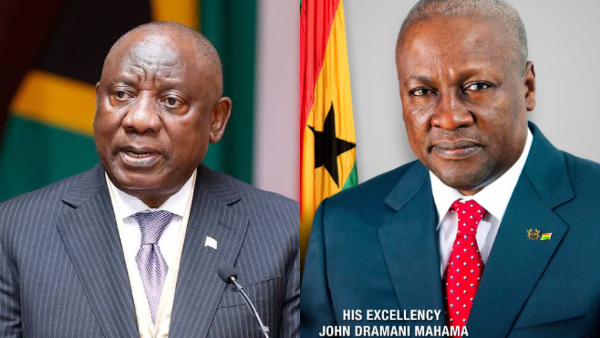
The Minority in Parliament has called on the government to provide further details on the circumstances surrounding Ghana’s decision to defer a proposed state visit by South African President Cyril Ramaphosa amid growing concerns over xenophobic attacks targeting Ghanaian nationals in South Africa.
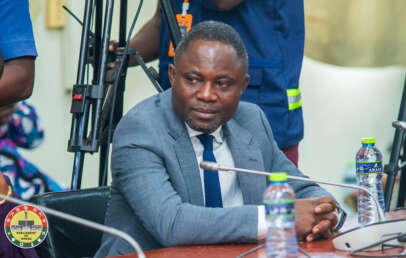
The Deputy Ranking Member on Parliament’s Foreign Affairs and Regional Integration Committee and Member of Parliament for Bosome Freho, Nana Asafo-Adjei Ayeh, said the limited information available has made it difficult for the Minority Caucus and other stakeholders to fully understand the government’s diplomatic position and contribute meaningfully to discussions.
He said the Minority requires more clarity on the issues that informed the decision to postpone the visit before taking a position or making recommendations to the government.
“My side of the House, the Minority, both the Minority Caucus and the NPP committee, would want to have more flesh and details, and then we can take a position, or then we can support the position of government or suggest something to government, or proposals to government to consider,” he said.
“We do not have enough information as it stands now,” he added.
Mr Asafo-Adjei stressed that greater transparency from government would allow for wider consultation and ensure that Ghana’s diplomatic and national interests are properly protected.
His comments follow reports that Ghana had deferred President Ramaphosa’s proposed state visit following renewed concerns over anti-foreigner attacks in parts of South Africa, which have affected Ghanaian nationals and other African migrants.
Diplomatic sources in Accra and Pretoria indicated that the decision was linked to recent incidents of xenophobic violence, which have resulted in the repatriation of about 1,000 Ghanaians, with additional citizens reportedly awaiting evacuation.
However, the Minister for Government Communications, Felix Kwakye Ofosu, has assured that Ghana’s relations with South Africa remain strong despite the recent developments.
He explained that the decision to defer the visit should not be interpreted as a breakdown in diplomatic ties between the two countries.
“Our relations remain cordial. Ghana has not done anything to muddy the relationship; we only had to take a step to protect our citizens from the attacks,” Mr Kwakye Ofosu said.
He noted that government’s immediate priority was to safeguard the welfare of Ghanaian nationals affected by the attacks, while arrangements continued to bring more citizens back home.
According to him, Ghana’s concerns over the safety of its citizens do not undermine the country’s longstanding relationship with South Africa.
“Of course, we have indicated our displeasure about what is happening in South Africa. We hold the view that the South African government could have done more to guarantee the safety and security of Ghanaians in particular and other foreigners in South Africa in general,” he said.
“But we continue to hold the South African government and its people in high esteem, and we are willing and able to maintain a healthy relationship that will result in mutual benefits for both countries,” he added.
The development comes at a time when Ghana and South Africa continue to navigate concerns over the treatment of foreign nationals, with calls from stakeholders for stronger measures to address xenophobic sentiments and protect African unity.