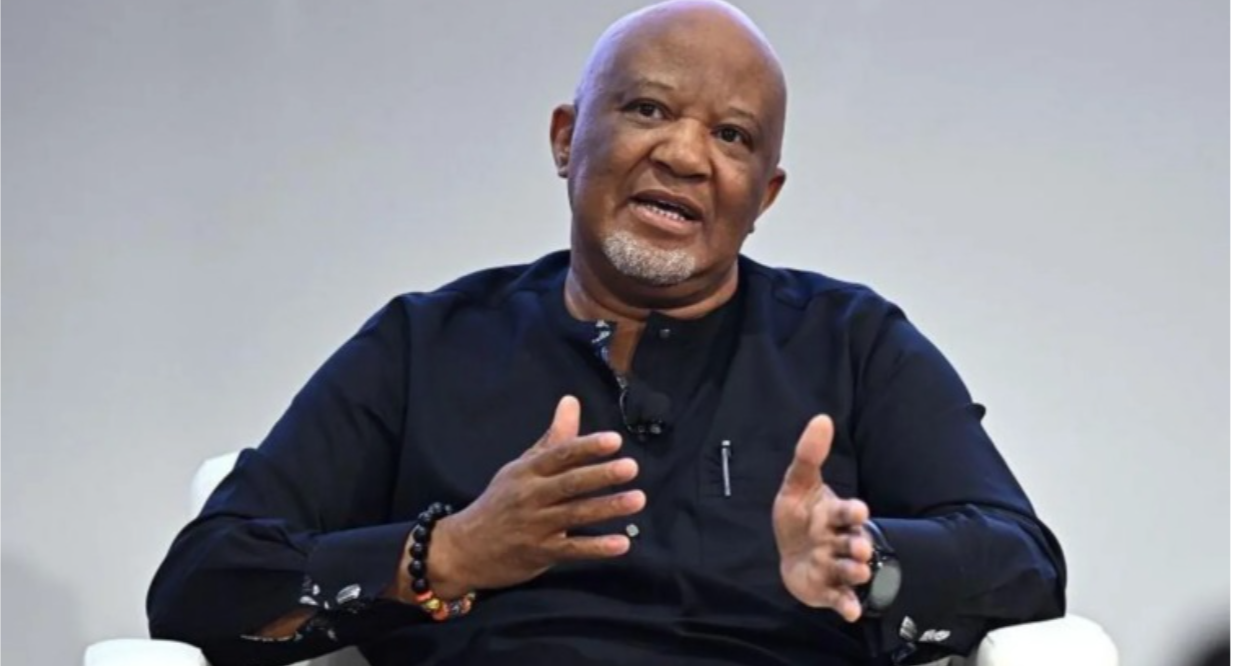
MTN Group Chairman Mcebisi Jonas has strongly condemned rising xenophobia in South Africa, warning that blaming foreign nationals for the country’s socio-economic challenges is both dangerous and misleading, and risks undermining national unity as well as Africa’s broader development prospects.
Speaking at the funeral of Zimbabwean-born activist and public servant Thokozani Damasane, Jonas said anti-foreigner sentiment is increasingly being used as a distraction from deeper structural problems such as corruption, unemployment, weak institutions and poor public service delivery.
His remarks have since drawn widespread attention across South African civil society as one of the strongest public interventions by a leading business figure on the issue.
Jonas stressed that South Africa’s future is inseparable from the rest of the continent, urging citizens to reject prejudice based on nationality or origin.
“We are a nation embedded in Africa… South Africa is nothing without Africa, and Africa is nothing without South Africa,” he said.
Reflecting on Damasane’s life, Jonas questioned narrow definitions of identity and belonging, arguing that “home is where humanity is” and defined by service to others rather than birthplace.
He praised Damasane, who was born and educated in Zimbabwe before relocating to South Africa after apartheid, for dedicating his life to South African development and social struggles.
Turning to xenophobic narratives, Jonas rejected claims that removing foreign nationals would resolve South Africa’s economic problems.
“Foreigners can leave tomorrow, inequality will be with us… unemployment will be with us… corruption will remain,” he said, arguing that the real challenge lies in state failure rather than immigration.
He criticised the inability of the state to effectively manage immigration, enforce law and order, and deliver essential services such as education.
According to him, this governance vacuum allows political actors to exploit public frustration by scapegoating migrants instead of addressing structural decay.
“When people feel the burn, they become vulnerable to politicians whose sole purpose is to be elected and re-elected,” he warned, adding that some leaders lack credibility but still gain support by shifting blame onto foreigners.
Jonas also addressed the persistence of identity politics and ethnic nationalism, describing tribal divisions as colonial constructs that continue to influence political and social relations across Africa.
He said colonial administrations deliberately reinforced ethnic identities to maintain control through indirect rule.
He warned that such divisions are now fuelling discrimination and violence.
“It’s no longer about whether you are from South Africa or not. It’s about the tribe… and therefore we have to persecute you,” he said, adding that something fundamental has been lost in society.
Jonas further criticised liberation movements for sustaining ethnic politics for political gain, calling for a decisive break from identity-based mobilisation. “Ethno-nationalism is something that we must banish,” he said.
Recalling a conversation involving Damasane, Jonas noted that the late activist had warned a young South African that worsening conditions could one day make citizens consider leaving their own country.
He said this warning now appears increasingly relevant amid rising unemployment, inequality and corruption.
In his closing remarks, Jonas called for African solidarity and mutual respect, insisting that individuals should not be judged by origin.
Quoting Frantz Fanon, he urged Africans to remain committed to building a just and inclusive continent, adding that Damasane “understood the mission and did not betray it.”