A sweeping forensic audit into Ghana’s hosting of the 13th African Games has exposed what auditors describe as deep-rooted institutional failures, revealing inflated contracts, unsupported expenditures, procurement breaches, and weak oversight across nearly every stage of the multi-billion-cedi event.
Commissioned by President John Dramani Mahama in 2025, the 700-page report paints a troubling picture of how public funds were managed during the 2023 continental sporting event.
The audit, conducted by the Auditor-General under the Audit Service Act, examined procurement, infrastructure projects, accommodation, transportation, catering, broadcasting, and legacy planning. Its findings point to irregularities amounting to GH¢580 million, while also identifying outstanding liabilities exceeding GH¢208 million.
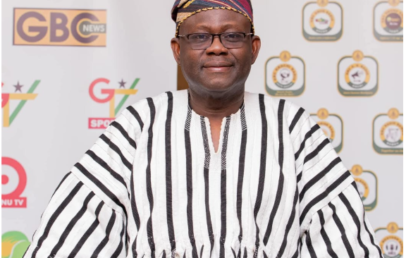
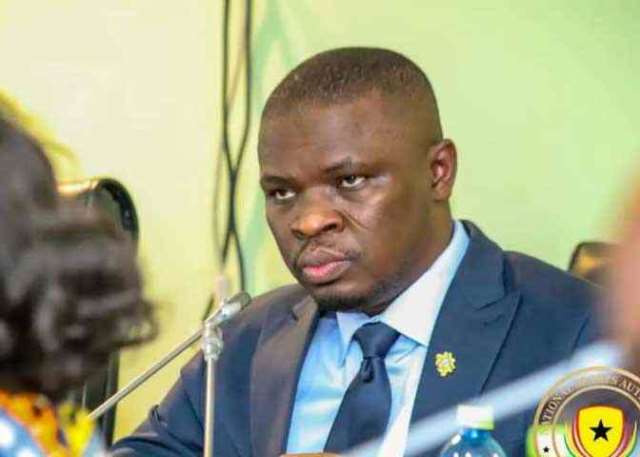
At the centre of the report are three former officials — Mustapha Ussif, former Chief Director William Kartey, and former Local Organising Committee Chairman Dr Kwaku Ofosu-Asare — all of whom auditors repeatedly recommended for sanctions and recovery measures.
Auditors found that although more than GH¢2.24 billion was mobilised for the Games from government funding, sponsorships, and participation fees, significant portions of expenditure could not be fully justified.
One of the most striking findings involved service contracts structured as fixed lump-sum payments despite the services themselves being variable.
Contracts covering catering, accommodation, transportation, air travel, and anti-doping services — together worth GH¢336.6 million — lacked basic reconciliation records such as passenger manifests, rooming lists, meal logs, or transport schedules. As a result, auditors said there was no reliable way to confirm whether the quantities paid for matched services actually delivered.
The report also detailed multiple cases of inflated pricing. Accommodation services awarded to JDK Travel and Tours were found to have exceeded market rates by millions of cedis, while transport contracts and vehicle branding services linked to the same company were similarly overstated.
In another case, anti-doping tests procured at €739,000 were benchmarked against international market rates and found to contain significant overcharges.
Auditors additionally raised concerns about possible conflicts of interest involving companies with common beneficial ownership that collectively secured contracts worth GH¢150.6 million.
The report further highlighted high-risk financial practices, including GH¢20.4 million in cash withdrawals from Local Organising Committee accounts in breach of electronic payment regulations. Some payments were also reportedly made outside Ghana’s public financial management systems.
Beyond the financial issues, the audit pointed to deteriorating infrastructure and weak post-event planning. Inspections uncovered structural defects across major Games facilities, including cracking, drainage failures, waterproofing problems, and incomplete works. Auditors estimated that repairs alone could cost at least $1 million.
The state broadcaster, Ghana Broadcasting Corporation, was also criticised for procurement violations and poor commercial management that allegedly cost the country millions in lost broadcast revenue.
Perhaps most concerning was the audit’s conclusion that many of the failures were systemic rather than accidental. Auditors cited repeated circumvention of procurement rules, widespread use of single-source contracts without proper justification, and weak internal controls throughout the Games organisation structure.
The report warns that unresolved obligations tied to agreements with the African Union Commission, combined with the poor state of post-Games asset management, could affect Ghana’s prospects of hosting or participating in future continental competitions.
Describing the findings as evidence of “structural deficiencies in institutional control environments,” the Auditor-General called for sweeping reforms, accountability measures, and recovery of irregularly spent public funds.