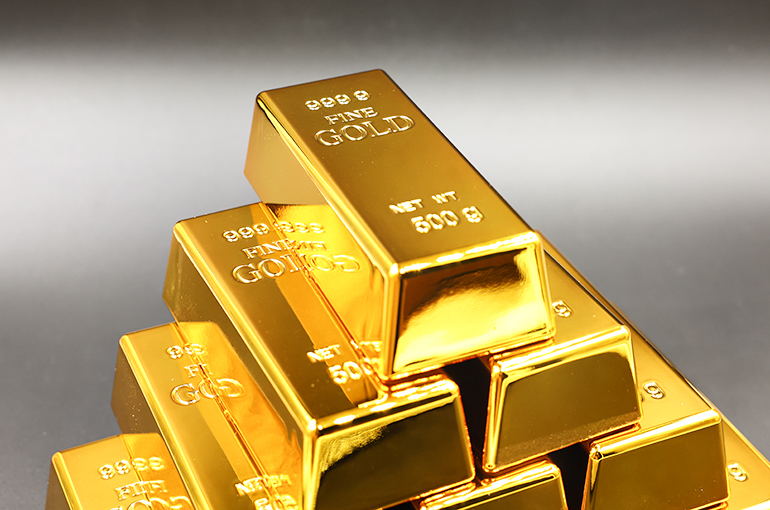
The Bank of Ghana turned to its gold reserves in 2025, offloading a substantial portion of its bullion holdings in a high-stakes move that generated $3.6 billion (about GH¢40 billion) in foreign exchange and helped offset mounting financial losses.
The transaction, which saw the central bank sell approximately 27.6 tonnes of refined gold, emerged as the single most significant source of income in its 2025 financial year, effectively cushioning what would otherwise have been a far deeper loss position.
Strategic sale amid rising gold prices
The gold sold by the central bank had largely been accumulated during 2023 and 2024 under its reserve management strategy, at a time when global gold prices averaged about $2,624.50 per ounce.
By the end of 2024, BoG held 981,651.86 ounces of gold—equivalent to 30.53 tonnes—valued at roughly GH¢37.8 billion.
However, in 2025, global market conditions shifted sharply.
Gold prices surged to about $4,323.87 per ounce—nearly double the earlier acquisition cost—presenting the Bank with an opportunity to realise significant gains.
Capitalising on this price rally, the central bank sold 869,915.18 ounces of gold, representing about 27.6 tonnes of bullion.
The transaction reduced its holdings drastically, leaving just 111,736.68 ounces, or about 3.4 tonnes of the 30.53 tonnes of gold inherited
Windfall gains soften financial blow
The sale generated proceeds of approximately $3.6 billion, translating into about GH¢40 billion in inflows.
More importantly, the difference between the sale price and the original carrying value of the gold resulted in a realised gain of about $989 million, equivalent to GH¢9.57 billion, which was recorded in the Bank’s profit line.
This gain proved decisive. It significantly reduced the central bank’s reported net loss for 2025 to GH¢15.6 billion.
Without this intervention, the Bank’s losses could have ballooned to as much as GH¢33.19 billion.
In addition to the realised gains, the Bank also recorded unrealised gains of GH¢7.99 billion from gold price increases accumulated over the previous two years.
This pushed total gains from gold-related activities to approximately GH¢17.56 billion for the year.
Notably, the gold sale income surpassed all other revenue streams, including interest earned on lending, making it the largest contributor to the Bank’s earnings in 2025.
Reserves decline despite gains
Despite the financial relief provided by the transaction, the sale came at a cost to the country’s reserve buffers. By the end of 2025, the total value of Ghana’s gold reserves had declined to about GH¢27 billion, reflecting the significant drawdown in physical holdings.
This raises important questions about the sustainability of relying on reserve asset sales to manage financial pressures.
Gold reserves are typically held as a strategic buffer against external shocks, and their liquidation—especially at such scale—suggests the severity of the pressures facing the central bank.
Balancing stability and sustainability
The Bank of Ghana’s decision to monetise its gold assets highlights a delicate balancing act between stabilising the economy in the short term and preserving long-term financial resilience.
On one hand, the sale provided critical liquidity and helped stabilise the Bank’s balance sheet at a time of elevated sterilisation costs and exchange rate pressures. On the other, it underscores the extent to which the central bank had to rely on its reserve assets to manage financial strain.
The development also reinforces broader concerns about the cost of Ghana’s macroeconomic stabilisation efforts. While the economy has shown signs of recovery, the financial burden of these measures—now partially absorbed through gold sales—remains significant.
Ultimately, the 2025 gold transactions reveal a central truth: Ghana’s stabilisation strategy has not only depended on monetary tightening and fiscal discipline but has also been underpinned by the strategic liquidation of national assets to sustain financial stability.