Gold declined as the Strait of Hormuz stayed largely closed to shipping, despite the latest efforts to find a negotiated solution to the US-Iran war that’s choked energy supplies and heightened inflation risks.
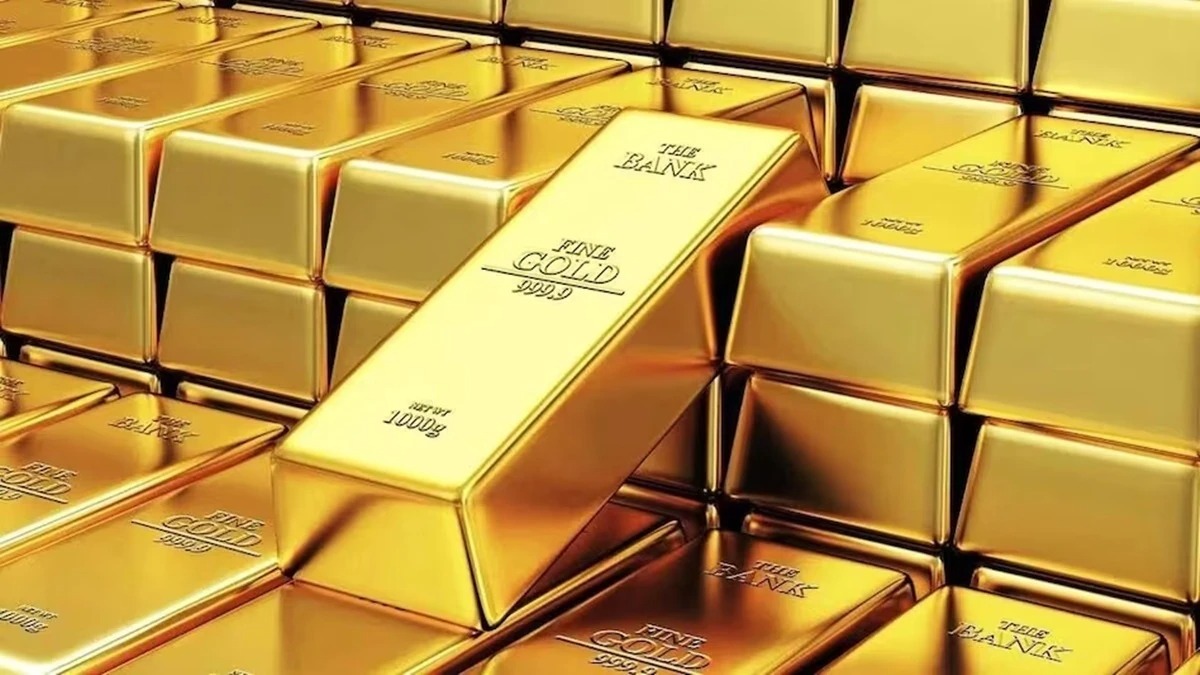
Bullion fell as much as 1.4% below $4,620 an ounce.
Iran has signaled it may be willing to accept an interim deal to reopen the crucial waterway in exchange for Washington ending its blockade of Iranian ports, but President Donald Trump and his national security team are skeptical of proposal, the Wall Street Journal reported. Oil extended a rally.
The energy-supply shock caused by the eight-week conflict has added to inflation risks, raising the likelihood that central banks will keep rates steady for longer or even hike them, which is a headwind for non-yielding bullion.
Gold has lost around 12% since the conflict began at the end of February.
The indefinite extension of a ceasefire, with Hormuz still blocked, “prolongs market uncertainty,” Marc Loeffert, a trader at Heraeus Precious Metals, said in a note.
“In the long run, the combination of economic stagnation and rising prices could provide fertile ground for the gold bull market to continue,” he said.
Traders will be keeping tabs on interest-rate decisions in the US, the European Union, the UK and Canada this week.
Earlier Tuesday, the Bank of Japan left its benchmark rate unchanged at 0.75%, with a split vote suggesting increased odds of a hike in June.
Spot gold fell 1.2% to $4,624.20 an ounce at 10:18 a.m. in London.
Silver slid 2.8% to $73.39 an ounce. Platinum and palladium also declined.
The Bloomberg Dollar Spot Index, a gauge of the US currency, rose 0.2%.
Reuters