A powerful and urgent appeal has been directed at John Dramani Mahama, with the Paediatric Society of Ghana calling for illegal mining to be formally declared a national emergency, warning that the crisis has evolved beyond environmental degradation into a full-scale threat to public health and national security.
In a strongly worded statement addressed to the Presidency and signed by its President, Dr (Med) Hilda Mantebea Boye, the Society described galamsey as a “crime against present humanity,” drawing a striking parallel with the Transatlantic Slave Trade—one of history’s gravest injustices.
The medical body warned that Ghana stands at a dangerous crossroads, where inaction could result in generational harm comparable in magnitude, if not in form, to past historical tragedies.
Galamsey “a crime against humanity yet unborn”
At the heart of the Society’s argument is a chilling warning: that illegal mining is inflicting irreversible damage not only on current populations but also on future generations.
According to the statement, the poisoning of rivers, contamination of food systems, and widespread exposure to toxic heavy metals such as mercury and arsenic represent a “heinous crime against humanity yet unborn.”
“These actions irreversibly damage ecosystems, compromise future water security, and impose lifelong cognitive and developmental impairments on children not yet born,” the Society stated.
The group argued that global recognition of past injustices—particularly the transatlantic slave trade—should serve as a moral compass for confronting present dangers.
“This recognition is not merely symbolic; it is a profound moral correction in global history. It affirms that crimes which strip generations of dignity, health, and opportunity must be acknowledged, remembered, and prevented from recurring in any form,” the statement added.
A silent public health emergency
The Society was unequivocal in framing galamsey as a direct and escalating public health crisis, particularly for children.
It warned that prenatal exposure to mercury—widely used in illegal gold extraction—is linked to irreversible brain damage, reduced IQ, and neurodevelopmental disorders.
Beyond this, contaminated water sources are contributing to rising cases of chronic illnesses, infections, and malnutrition among children.
“In essence, galamsey is not just an environmental issue; it is a slow, silent assault on the Ghanaian child,” the statement stressed.
Medical experts say the long-term implications are severe. Children exposed to toxic substances at early developmental stages may suffer lifelong impairments, placing additional strain on families, healthcare systems, and the broader economy.
Environmental destruction reaches alarming levels
The urgency of the call is underscored by stark environmental data.
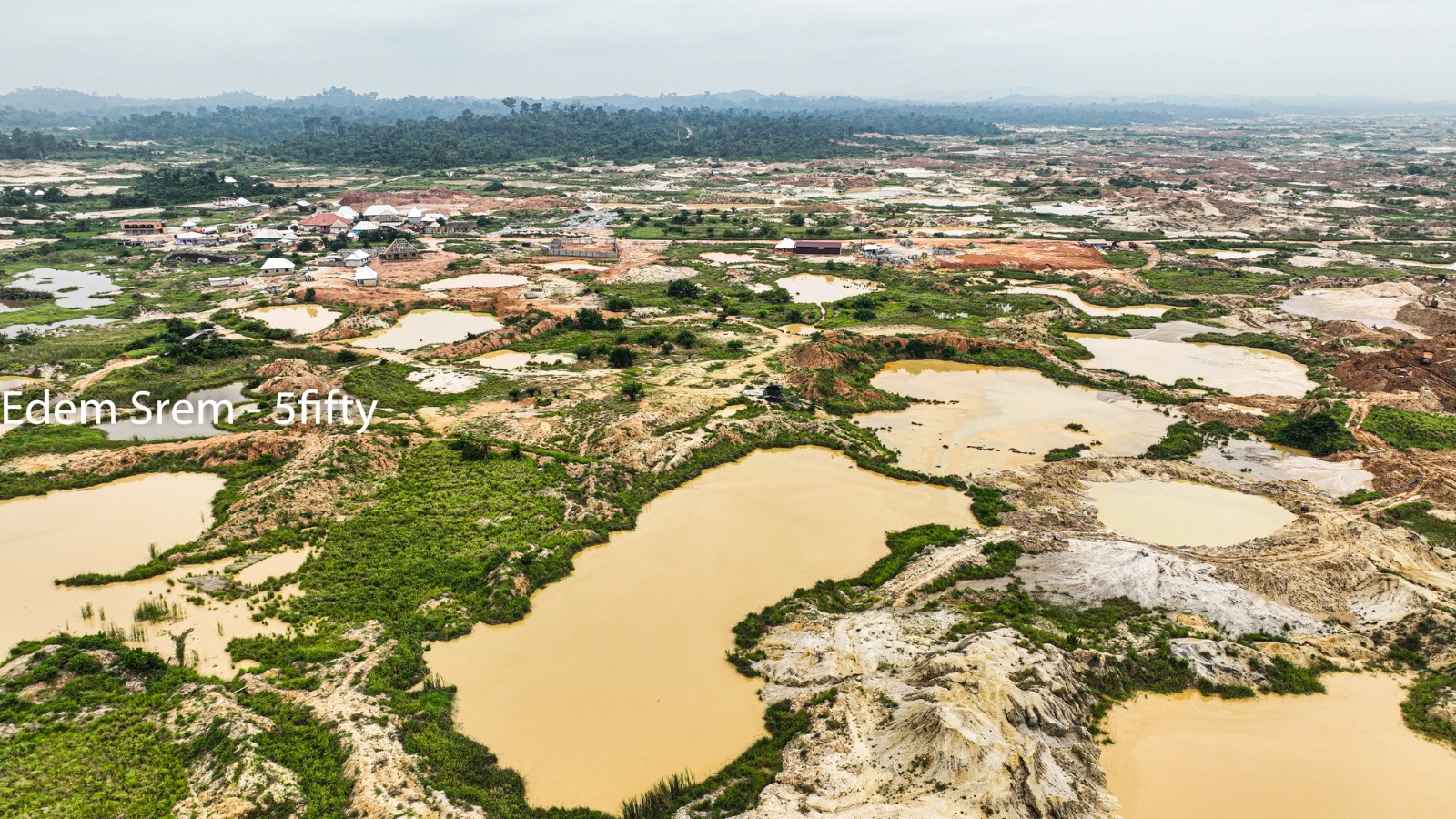
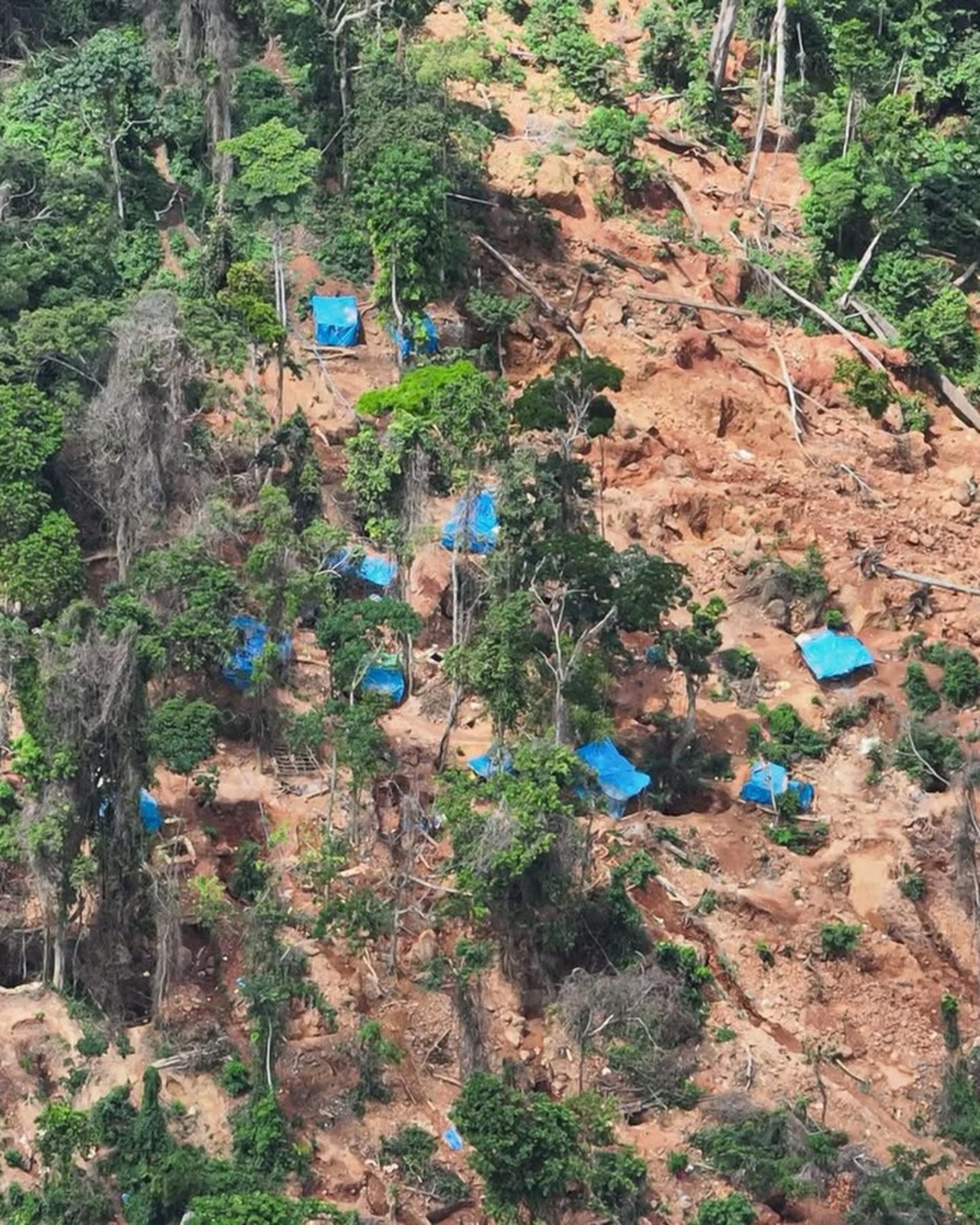
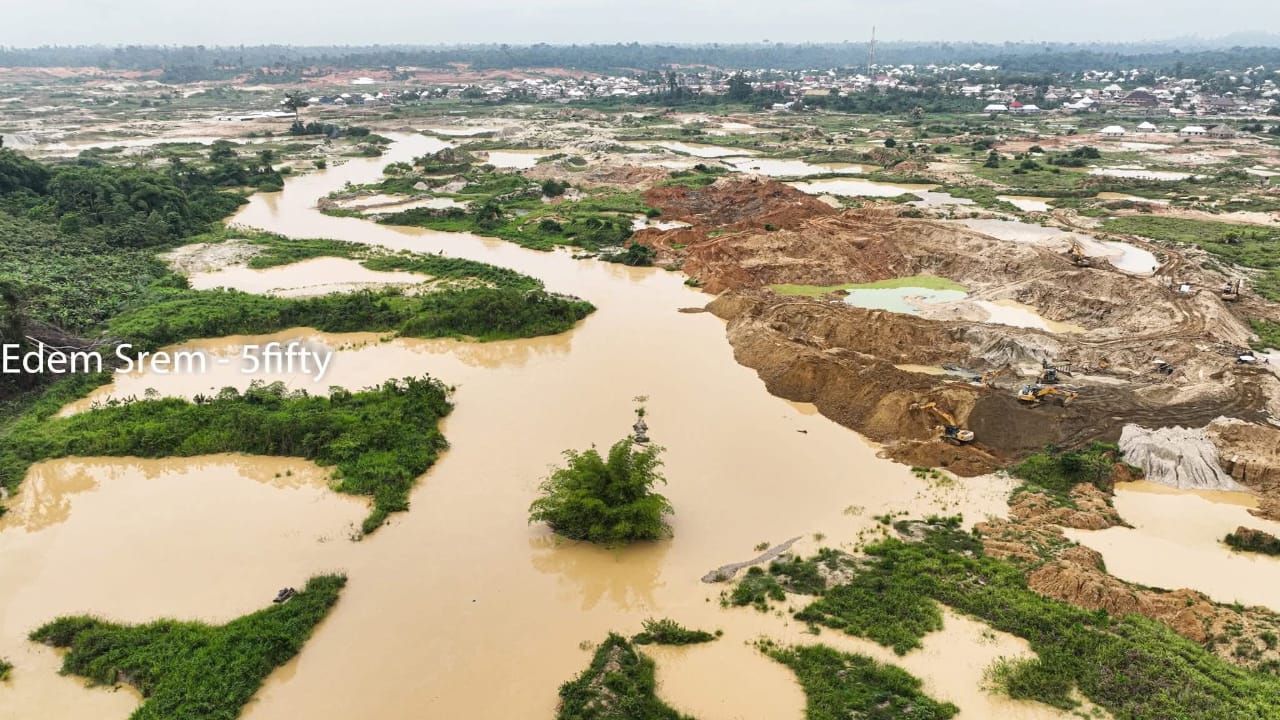
As of December 2024, illegal mining had destroyed approximately 8,923.8 hectares of forest reserves in Ghana, affecting more than 45 reserves and even encroaching into a national park.
Large sections of forests under the Forestry Commission of Ghana have been degraded, with illegal miners using heavy machinery to clear vast tracts of land.
This widespread deforestation has led to soil erosion, loss of fertile farmland, and declining agricultural productivity.
Cocoa farms—once central to rural livelihoods—have been abandoned or destroyed, particularly in the Western, Ashanti, and Eastern regions.
The long-term implications are dire: reduced food security, declining export revenues, and increased rural poverty.
Rivers turn toxic
Equally alarming is the state of Ghana’s water bodies.
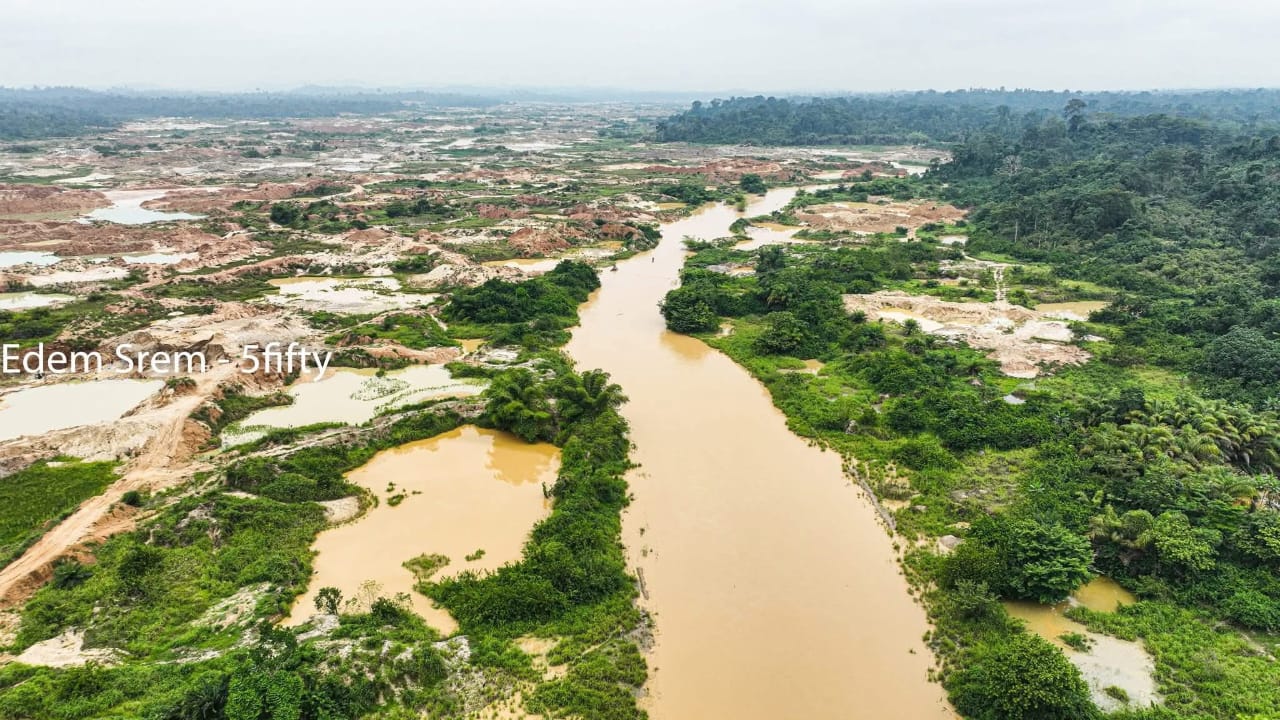
Major rivers such as the Pra River, Ankobra River, and Offin River have been heavily polluted by mining activities.
The use of mercury and cyanide in gold extraction has led to severe contamination, rendering water unsafe for consumption and significantly increasing the cost of treatment.
The Ghana Water Company Limited has repeatedly warned that some treatment plants have been forced to shut down intermittently due to extreme pollution levels.
For many communities, access to clean water has become increasingly uncertain—raising the spectre of a looming water crisis.
Livelihoods under siege
Beyond environmental and health concerns, illegal mining is also eroding livelihoods and social stability.
Traditional occupations such as farming and fishing have been disrupted, forcing many rural dwellers into economic hardship.
In some cases, the loss of livelihoods has pushed individuals into illegal mining itself, perpetuating a destructive cycle.
The activity has also been linked to rising crime, unsafe working conditions, and fatal accidents caused by pit collapses.
In several communities, tensions between illegal miners, security forces, and residents have escalated into violent confrontations.
Political complications and admissions
The call for decisive action comes against a complex political backdrop.
Despite earlier indications, President Mahama has declined to declare a state of emergency in illegal mining areas.
More strikingly, he has publicly acknowledged the involvement of members of his own party, the National Democratic Congress (NDC), in galamsey operations.
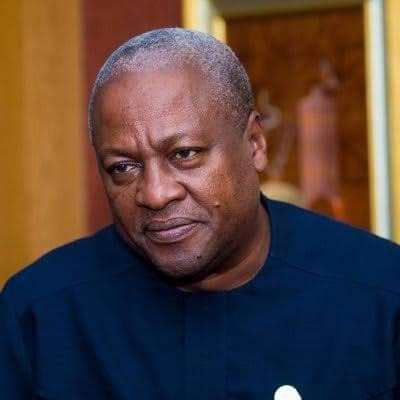
“Even when one party changes, those who were running some operation… will go to the next party and say, now that you have come, come and take over this operation and let’s share… I don’t kid myself that we don’t have our own people involved,” he admitted.
This admission has intensified public debate, raising questions about political will, enforcement credibility, and the extent to which partisan interests may be undermining efforts to tackle the crisis.
Thousands of excavators still in operation
Adding to the challenge, the Coalition Against Illegal Mining has revealed that an estimated 7,000 excavators remain active in mining areas despite efforts to restrict their importation.
According to the group, the continued operation of these machines is largely enabled by unchecked access to fuel, highlighting gaps in enforcement and regulatory oversight.
A call for urgent, coordinated action
The Paediatric Society has outlined a series of measures it believes are critical to reversing the crisis.
These include strengthening law enforcement, improving surveillance systems, and implementing a coordinated, multi-sectoral response involving health, environment, security, and education sectors.
Importantly, the Society has pledged its support, offering technical expertise, research, and advocacy to assist government efforts.
“We remain available to support the government in safeguarding the health and future of Ghanaian children,” the statement said.
A nation at risk
Illegal mining has evolved into one of the most complex and dangerous challenges facing Ghana today.
Its impact spans environmental destruction, public health risks, economic disruption, and governance concerns.
Experts warn that the damage is not easily reversible.
Reclaiming degraded lands requires significant financial investment and time, while the loss of natural resources—forests, water bodies, and fertile land—threatens the country’s long-term development prospects.
The Paediatric Society’s stark warning captures the gravity of the moment: Ghana risks repeating the long-term consequences of past injustices if urgent and decisive action is not taken.
“The transatlantic slave trade robbed generations of Africans of their future. Galamsey risks doing the same—not through chains, but through poisoned rivers, degraded lands, and stolen potential,” the statement concluded.
As the debate intensifies, the question now confronting policymakers is not whether action is needed—but whether it will come in time to avert a generational catastrophe.