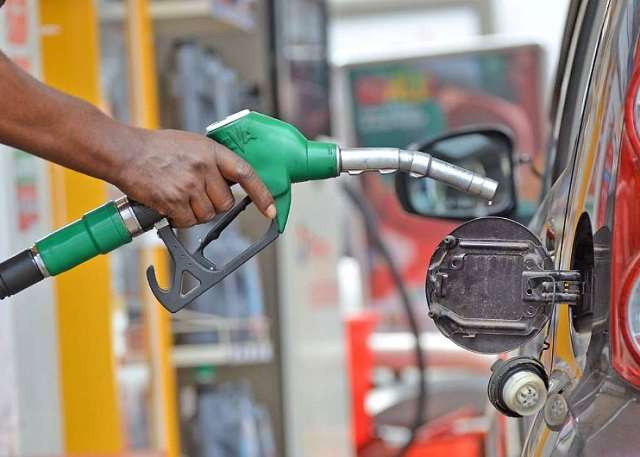
A coalition of leading policy think tanks has proposed a significant reduction in fuel prices, urging government to cut GH¢1.65 from the current petroleum price build-up as immediate relief for consumers grappling with high transport and energy costs.
The coalition, comprising IMANI Africa, Chamber of Petroleum Consumers, INSTEPR, and the Institute for Energy Security—outlined a breakdown of the proposed reduction across multiple levies and margins embedded in the fuel pricing structure.
According to the group, the proposed cuts include 24 pesewas from the Road Fund Levy, 50 pesewas from the Energy Fund Levy, 23 pesewas from the Special Petroleum Tax, six pesewas from the Bulk Oil Storage and Transportation (BOST) margin, four pesewas from the Fuel Marking Margin, 45 pesewas from the Unified Petroleum Pricing (UPP) margin, and 14 pesewas from the Primary Sector Recovery Levy (PSRL).
The proposal follows a directive by President John Dramani Mahama, who tasked the Ministries of Energy and Finance to review taxes, margins and levies within the petroleum pricing framework to ease the burden on consumers amid prevailing economic pressures.
In a joint statement issued on April 14, 2026, the think tanks recommended that the reduction should be maintained for a minimum of two months, rather than the four-week period initially suggested by government, to allow for more meaningful impact on households and businesses.
They argued that extending the relief period would provide greater stability and predictability in fuel pricing, particularly for transport operators and small businesses that are highly sensitive to fuel cost fluctuations.
The coalition further maintained that the proposed intervention would not unduly strain Ghana’s fiscal position, citing expected revenue inflows from crude oil exports as a buffer to absorb the temporary reduction in fuel-related taxes.
Beyond the immediate relief measures, the groups called for deeper structural reforms within the petroleum pricing regime. These include a comprehensive review—and possible removal—of selected taxes and levies considered excessive, as well as the establishment of a Strategic Reserve Fund to cushion the country against future global oil price shocks.
They also stressed the need for increased investment in the Tema Oil Refinery to enhance domestic refining capacity and reduce Ghana’s heavy reliance on imported refined petroleum products.
The proposal adds to growing public and policy pressure on government to address rising fuel costs, which continue to have ripple effects across transportation, food prices, and overall cost of living.
With fuel prices remaining a key driver of inflation and economic hardship, the coalition’s recommendations are expected to intensify debate over the balance between revenue mobilisation and consumer relief in Ghana’s energy sector.