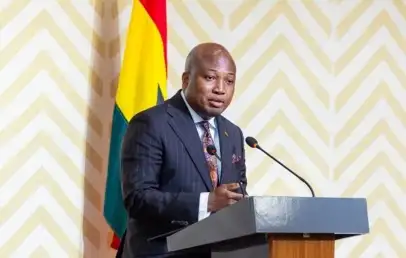
The Nuclear Regulatory Authority (NRA) and the Rwanda Utilities Regulatory Authority have signed a Memorandum of Understanding to strengthen collaboration in the safe and secure regulation of nuclear and radiological facilities and activities for peaceful purposes.
The agreement provides a flexible framework for both institutions to share expertise, undertake jointly agreed programmes, and address current and emerging regulatory challenges in support of their national nuclear agendas.
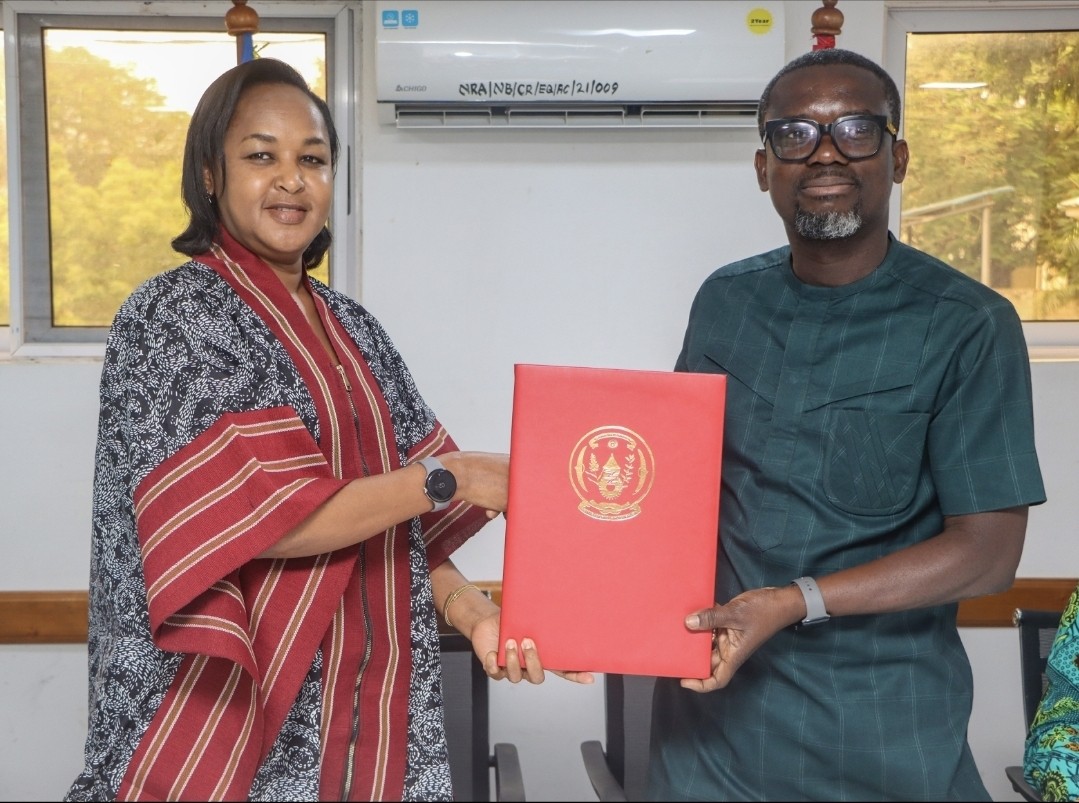
The Memurandum of Understanding (MoU) was signed on behalf of Ghana by Professor Francis Otoo, Director-General of the NRA, while Ambassador Rosemary Mbabazi signed for Rwanda at a brief ceremony in Accra on Monday.
The partnership marks a significant step in advancing African cooperation on nuclear and radiological regulation, promoting high standards of safety and security, and supporting sustainable socio-economic development in both countries.
Prof Otoo described the pact as “the beginning of structured cooperation between two African countries in the critical area of nuclear and radiological regulation.”
He said Rwanda would benefit from Ghana’s experience in building and strengthening a national regulatory framework for the safe and secure use of nuclear and radiological technologies.
Under the MoU, the two regulators are expected to collaborate in areas including oversight of nuclear installations, safety and security regulation of radiological facilities, radioactive waste and spent fuel management, safeguards, and emergency preparedness and response.
The cooperation will also cover the peaceful application of nuclear science in sectors such as health, agriculture, mining, education, industry, and research.
It is to support training, capacity building, dosimetry and calibration services, and the exchange of experts, fellows, and consultants.
To operationalise the agreement, both parties are required to deploy mechanisms such as expert exchanges, joint working groups, bilateral consultations, and the organisation of technical workshops, seminars, study visits, and training programmes.
They will also share official information and best regulatory practices, and make available their laboratories and facilities for joint research and testing where necessary.
Ambassador Mbabazi said the MoU allowed for the exchange of only unclassified information, including laws, regulations, safety reports, and research materials, with strict adherence to confidentiality provisions.
She noted that information designated as confidential would remain protected even after the agreement expired or was terminated.
Each institution, she said, would designate a coordinator to oversee implementation, maintain communication, and develop action plans outlining specific activities, timelines, and resource commitments.