The annual report of the Public Interest and Accountability Committee (PIAC) for 2025 has thrown a spotlight on Ghana’s oil and gas sector, with experts calling for improved transparency and accountability in the management of the country’s petroleum revenues.
“The projected petroleum receipts for 2026 are $985 million, up from $770 million in 2025, but we need to ensure that these funds are utilized effectively,” Mr Richard Ellimah, the PIAC Chairman said during a two-day workshop in Accra over the weekend.
The report further highlighted concerns about the Ministry of Finance’s compliance with appropriations and the Annual Budget Funding Amount (ABFA) allocation.
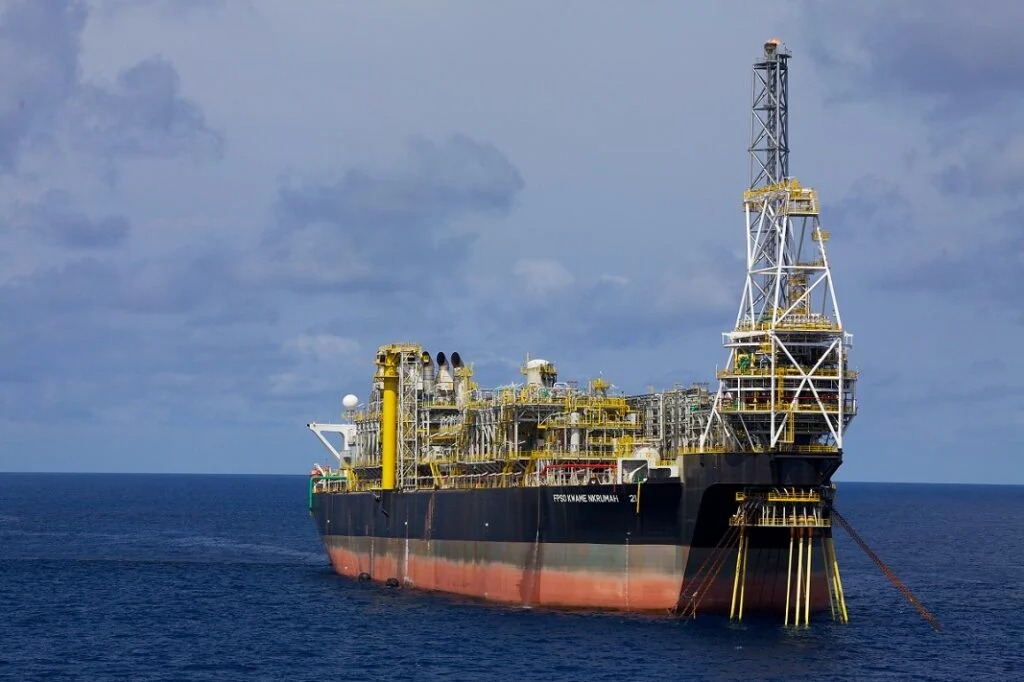
It called for the development of a medium-term investment plan to improve the Tweneboa, Enyera and Ntomme (TEN) Oilfields, its performance and address the challenges facing the sector.
As a result, the report and experts urged the Ministry of Finance to comply with appropriations and apply the Ghana Stabilization Fund (GSF) cap.
“The government should prioritize the development of a long-term national development plan to guide ABFA utilization,” the Chairman said.
The report also urged the Ghana National Petroleum Corporation (GNPC) and Ghana National Gas Company Limited (GNGLC) to account for an alleged $561.6 million in petroleum revenue and implement a debt plan to address an alleged outstanding balance of $620 million owed to GNPC.
According to PIAC Chairman, the recommendations are expected to improve transparency and accountability in Ghana’s petroleum revenue management, ensuring that the country’s oil and gas resources benefit its citizens.
The two-day engagement for news editors, editors, morning show hosts and producers discussed key issues in the 2025 PIAC annual report and other related industry issues.
It had the goal of equipping participants with the necessary knowledge to help understand, analyze, and shape the reportage on petroleum revenue management and use.
Other objectives of the Committee included monitoring and evaluating compliance with the Petroleum Revenue Management Act (PRMA), 2011 (Act 815), and providing independent assessment on the management and use of petroleum revenues to assist Parliament and the Executive in oversight and performance of related functions.
Mr. Mark O. A. Agyemang, Technical Director, PIAC, called for investment plans to improve the TEN’s performance.
He said: “We are calling for the development of a medium-term investment plan to improve TEN’s performance and extend it, as we have already explained TEN is a very challenging field.”
Participants were schooled on Ghana’s declining crude oil production and the way forward as well as the 2025 PRMA amendments and their implications.
Mr. Isaac Dwamena, the Executive Secretary of PIAC, called for collaborative options to promote transparency, accountability, and good governance in the petroleum sector.