A major structural shift has taken place within Ghana’s fast-evolving digital finance space, as Scancom PLC (MTN Ghana) officially completed the separation of its mobile money business, marking a new phase in the country’s fintech transformation.
The company announced that the restructuring became effective on March 31, 2026, following the fulfilment of all regulatory and legal requirements.
The transaction involved the statutory merger of MobileMoney Limited into MobileMoney Fintech Limited (MMFL), a newly established entity created to operate the mobile money business under Ghana’s legal and regulatory framework.
The move forms part of MTN Ghana’s long-term strategy to scale its fintech operations while complying with the localisation provisions under the Payment Systems and Services Act, 2019 (Act 987), which requires electronic money issuers to maintain at least 30 per cent Ghanaian ownership.
Importantly, the transaction did not alter MTN Ghana’s shareholding structure, and no new shares were issued.
The telecommunications business continues to operate independently, while the mobile money segment is now fully housed under MMFL.
Regulatory compliance and localisation drive
The separation represents one of the most significant compliance-driven corporate restructurings in Ghana’s financial sector in recent years.
By aligning with Act 987, MTN Ghana has effectively localised its fintech operations, ensuring that a portion of the economic value generated by mobile money remains within Ghanaian ownership structures.
The restructuring was underpinned by overwhelming shareholder support.
At an Extraordinary General Meeting held on December 1, 2025, beneficiaries of the MTN Ghana Fintech Trust — which holds a 30% minority economic stake — voted almost unanimously in favour of the merger and the waiver of a fairness report.
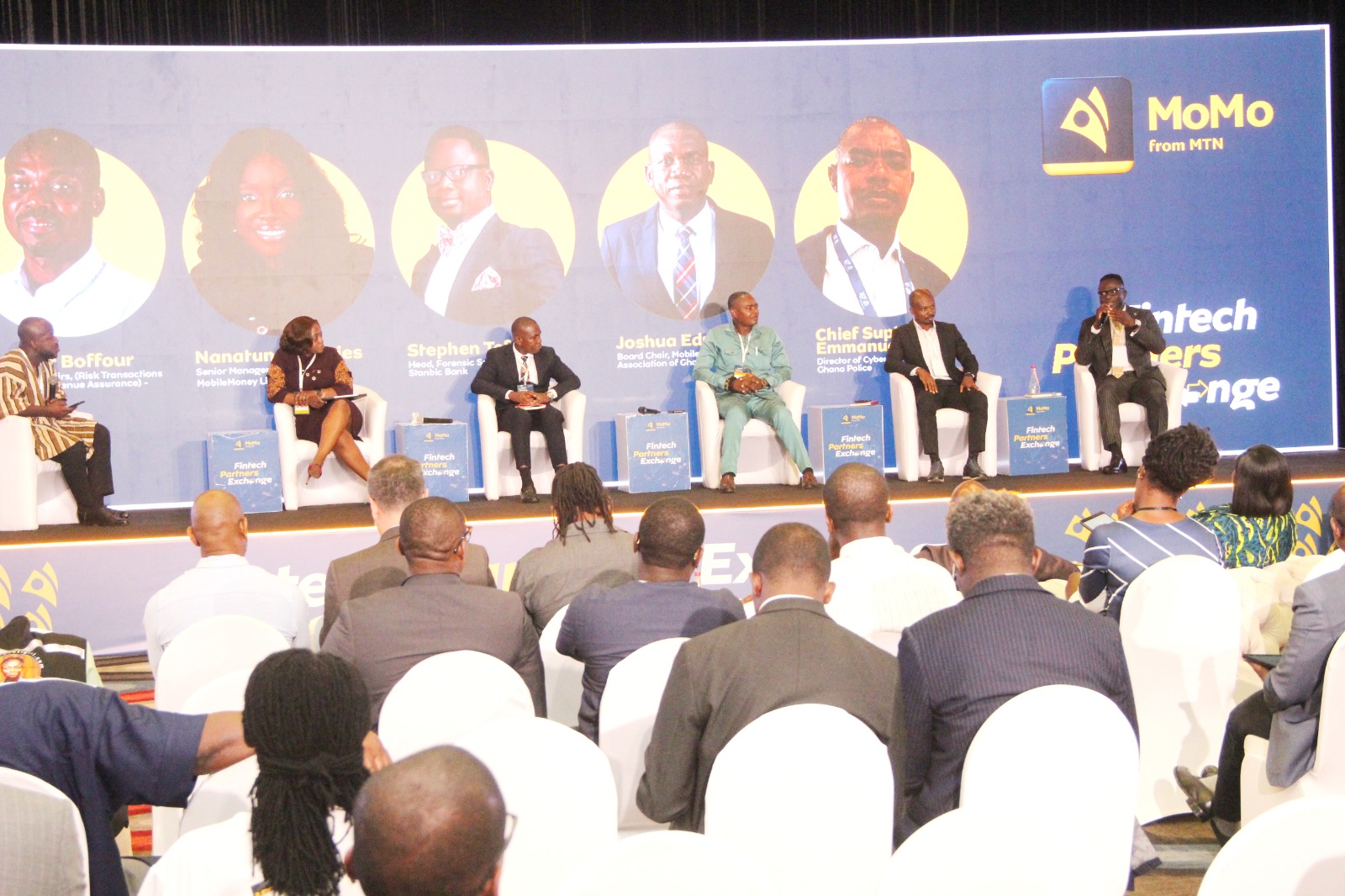
Subsequently, the two shareholders of MMFL — MTN Dutch Holdings BV (70%) and the Fintech Trust (30%) — delivered a unanimous 100% approval, clearing the way for regulatory and legal completion.
This level of consensus reflects strong investor confidence in the strategic direction of the mobile money business and its long-term growth prospects.
Strategic separation to unlock growth
Industry experts view the structural separation as more than a regulatory requirement; it is a strategic repositioning that allows both the telecommunications and fintech businesses to operate with sharper focus.
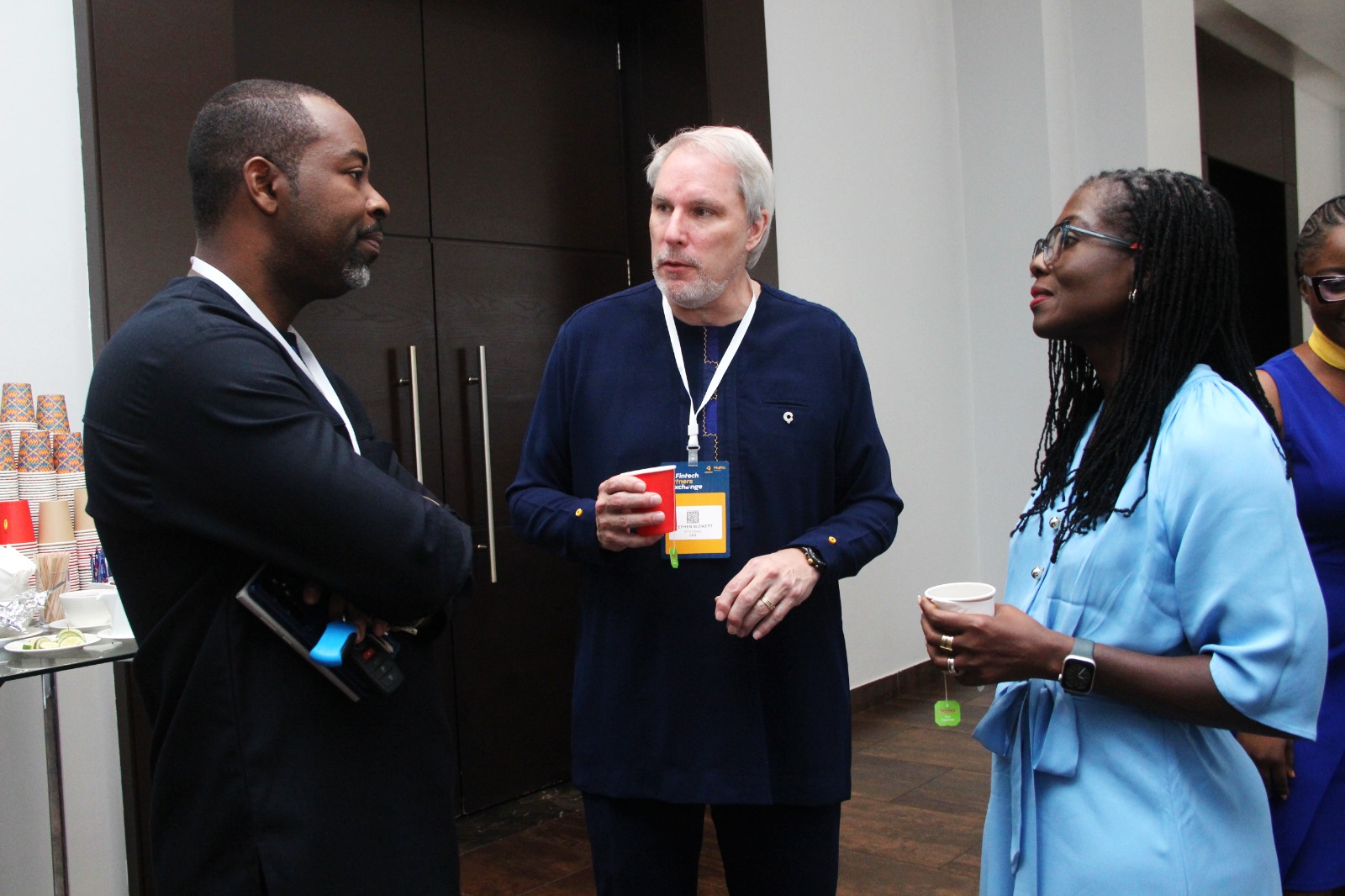
Speaking on the milestone, MTN Ghana CEO, Stephen Blewett, noted that the separation would accelerate innovation and strengthen digital infrastructure.
“This milestone reflects our commitment to driving innovation, strengthening digital infrastructure and delivering services that improve the lives of our customers,” he said.
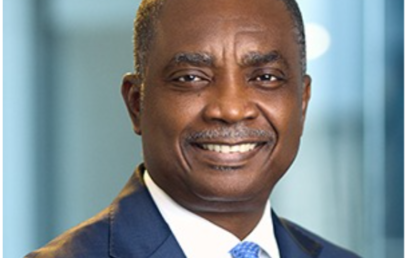
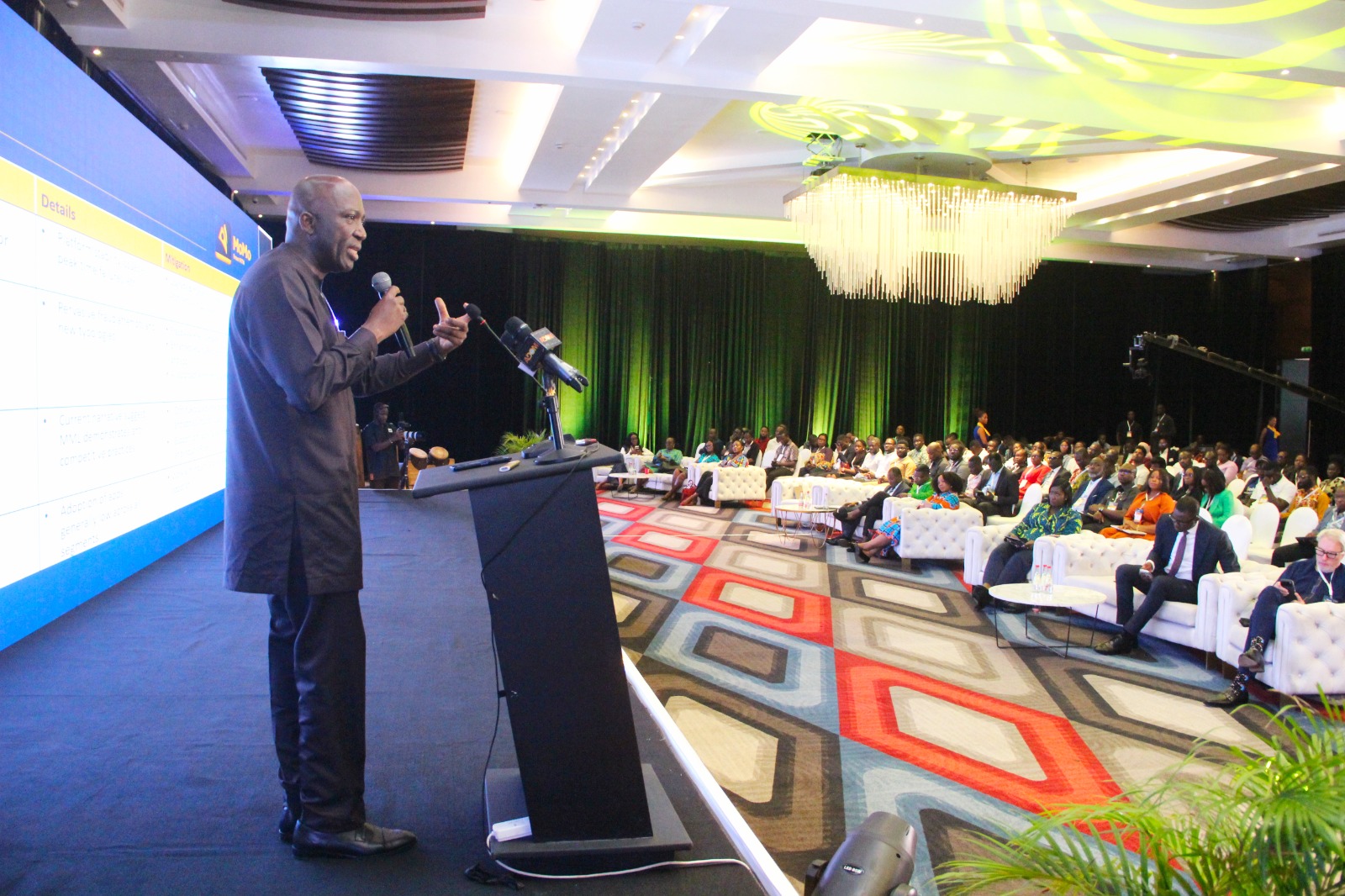
On his part, the CEO of MMFL, Shaibu Haruna, described the transition as a new chapter in expanding financial inclusion.
“The transition marks a new chapter in our mission to deepen financial inclusion and deliver secure, customer-focused digital financial services,” he said.
By creating a standalone fintech entity, the business is now better positioned to attract partnerships, scale services, and respond more quickly to the evolving demands of Ghana’s digital economy.
A fintech powerhouse driving Ghana’s economy
The significance of the separation is further underscored by the scale of the mobile money business itself.
In 2025 alone, the fintech arm contributed GH¢6 billion to MTN Ghana’s revenue, up from GH¢4.4 billion in 2024 — representing a 35.7% year-on-year increase.
The growth trajectory extends beyond revenue.
The value of funds held in mobile money wallets surged by 60.9% to GH¢38.4 billion, reflecting rising consumer trust and increased adoption of digital financial services.
Active users climbed by 12.3% to 19.3 million, while total transaction volumes rose by 18.4% from 7.1 billion to 8.4 billion transactions.
Even more striking is the growth in transaction value, which jumped by 53.8% from GH¢2.7 trillion in 2024 to GH¢4.1 trillion in 2025 — highlighting the central role mobile money now plays in Ghana’s economic activity.
These figures position mobile money not just as a financial service, but as a critical infrastructure underpinning commerce, payments, and everyday transactions across the country.
Shift towards advanced digital services
A deeper look at the revenue mix reveals a structural shift in how Ghanaians use mobile money.
While traditional services such as withdrawals and transfers remain significant, their dominance is gradually declining.
Withdrawals, for instance, dropped from 51.2% of revenue in 2024 to 45.6% in 2025, signalling a move away from cash-based transactions.
At the same time, peer-to-peer transfers increased their share from 28.9% to 33.7%, while advanced services — including digital payments, merchant solutions, and mobile lending — rose from 19.4% to 20.7%.
Revenue from these advanced services recorded the fastest growth, surging by 55.9% to GH¢2 billion.
This transition reflects a maturing fintech ecosystem, where users are increasingly relying on mobile money platforms not just for transfers, but for a broader range of financial activities such as payments, savings, and credit.
Implications for the financial sector
The separation of the mobile money business has far-reaching implications for Ghana’s financial system.
First, it strengthens regulatory oversight by clearly distinguishing fintech operations from traditional telecom services, ensuring greater transparency and accountability.
Second, it enhances investor confidence by aligning with legal requirements and creating a governance structure that supports long-term sustainability.
Third, it positions Ghana as a leader in fintech regulation and innovation in Africa, demonstrating how policy frameworks can shape the evolution of digital financial services.
Finally, the move reinforces financial inclusion by enabling the fintech business to expand its reach, develop new products, and serve underserved populations more effectively.
A new era for digital finance
For MTN Ghana, the completion of this restructuring marks a pivotal moment in its evolution from a telecommunications provider into a broader digital services company.
For Ghana, it signals the consolidation of mobile money as a cornerstone of the economy — a platform that is not only transforming how people transact, but also reshaping the financial landscape.