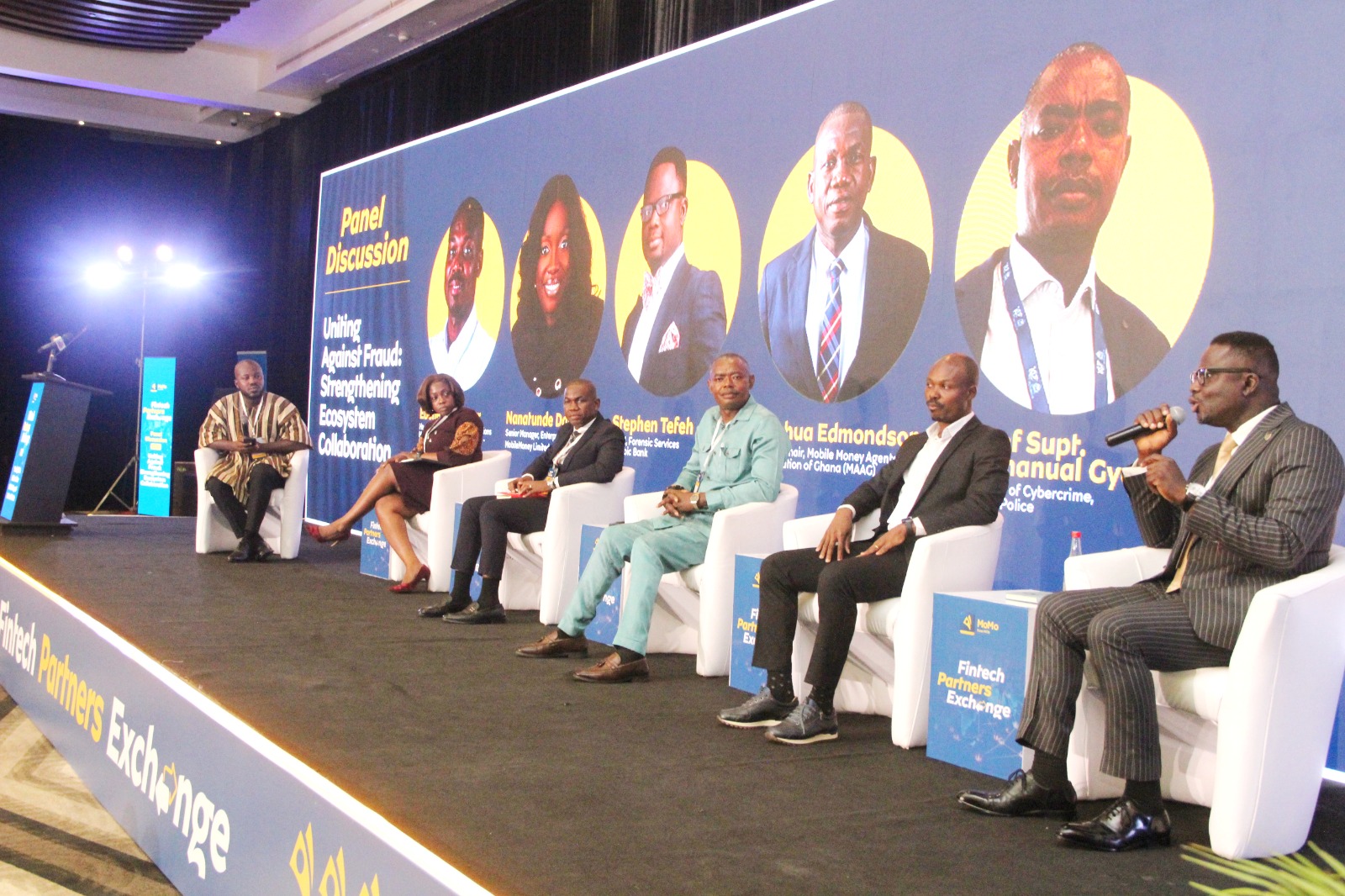
Stakeholders across Ghana’s digital finance ecosystem have called for the establishment of a centralised command centre to combat the rising wave of sophisticated fraud, warning that without a coordinated national response, the rapid evolution of digital crime could undermine trust and stability in the sector.
The proposal emerged as a key outcome of the 2026 stakeholder forum organised by MobileMoney Fintech Limited (MMFL), where participants drawn from banks, fintech companies, telecom operators and law enforcement agencies converged to address the growing threat of fraud in digital payments.
Held under the theme “Leading FinTech Solutions for Our Collective Progress,” the forum highlighted deep structural gaps in the current anti-fraud architecture, including weak information sharing, limited real-time collaboration, and low levels of consumer awareness.
Push for a centralised command centre
At the heart of the discussions was a strong consensus on the need for a centralised command centre — a platform that would enable institutions to share intelligence in real time, coordinate responses instantly, and track suspicious transactions across multiple platforms.
Stakeholders argued that the current fragmented system, where institutions operate largely in silos, is no longer adequate in the face of modern fraud schemes that are executed within seconds and often span multiple platforms.
They warned that fraudsters are increasingly leveraging speed, coordination and digital anonymity to outpace existing response mechanisms, making recovery of stolen funds extremely difficult.
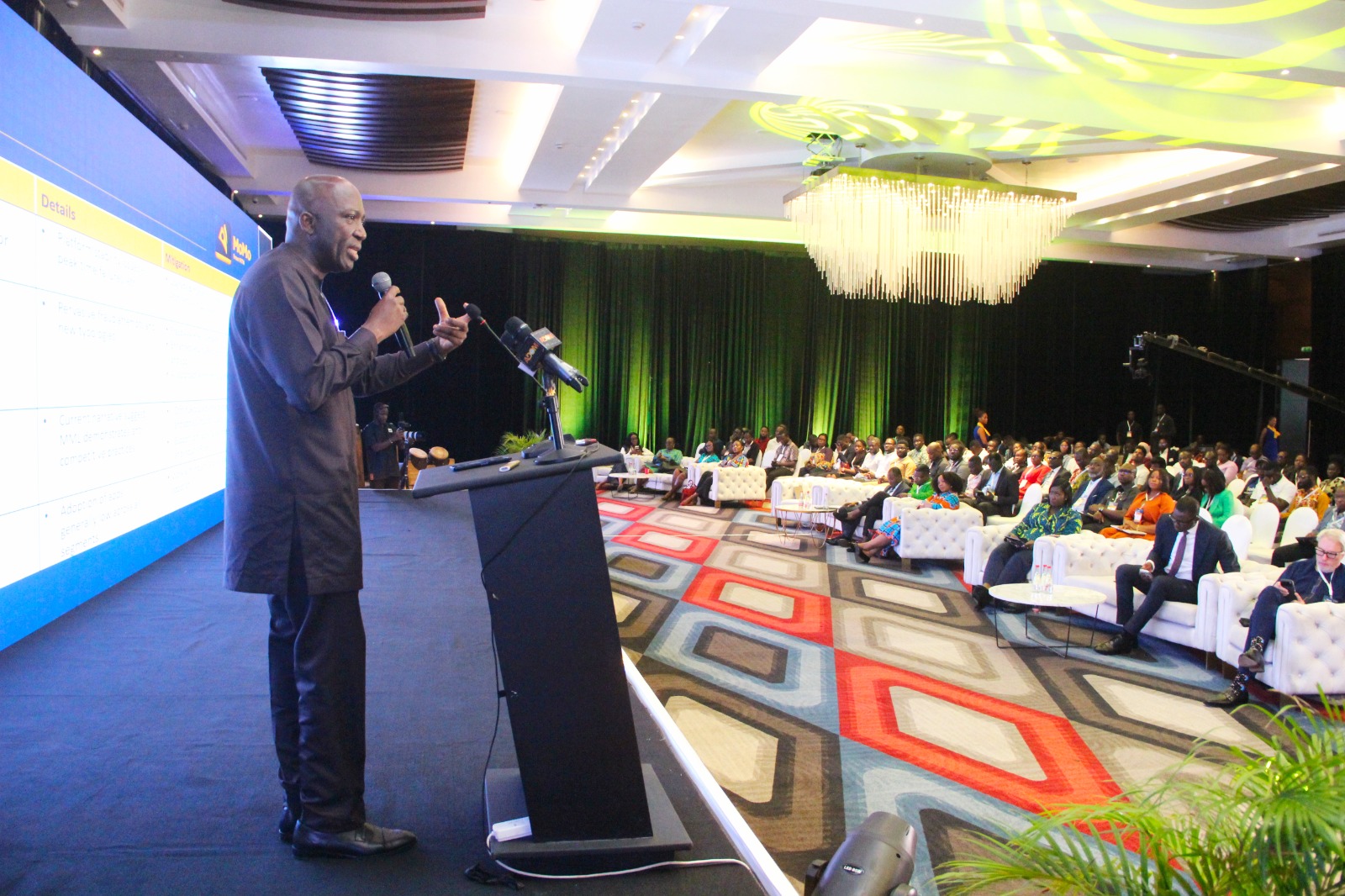
To address this, participants agreed to develop within 90 days a framework to guide the establishment and operation of the proposed command centre, signalling a shift from dialogue to concrete action.
Industry experts say such a centre could fundamentally transform fraud prevention in Ghana by enabling early detection of suspicious patterns, freezing transactions in real time, and improving the chances of recovering stolen funds before they are moved beyond reach.
Rising scale of exposure
The urgency of the proposal is underscored by the sheer scale of mobile money transactions in Ghana.
According to the Chief Executive Officer of MMFL, Shaibu Haruna, the platform processed about 8.4 billion transactions in 2025 alone, representing an 18 per cent year-on-year increase.
On a daily basis, an average of 23 million transactions are processed, reflecting both the growth of digital finance and the expanding exposure to fraud risks.
“The pervasive and coordinated nature of fraud has required us to build very robust systems, not just for Mobile Money Limited but for the entire industry,” he said.
He stressed that fraud has evolved beyond isolated incidents into a complex digital crime ecosystem that cuts across banks, mobile money platforms, e-commerce systems and even social media channels.
“It is not a mobile money problem alone, it is a digital crime environment. The attack points have changed — it can start from e-commerce, from a compromised WhatsApp account, and then move across platforms before cashing out,” he explained.
Why centralisation matters
Analysts at the forum emphasised that a centralised command centre could serve as the missing link in Ghana’s fight against digital fraud.
Currently, delays in communication between institutions often allow fraudsters to move funds across multiple accounts before detection.
A unified platform would allow instant alerts, coordinated investigations, and quicker intervention.
Such a system would also address one of the biggest constraints identified at the forum — limited visibility across platforms.
Financial institutions often have strong verification systems for their own customers but lack access to real-time data on recipients in other networks.
By integrating data flows and intelligence sharing, the command centre could close these gaps, making it significantly harder for fraudsters to exploit system weaknesses.
Social engineering: the weakest link
Despite advances in technology, stakeholders agreed that human vulnerability remains the biggest risk factor.
The Head of Forensic Services at Stanbic Bank Ghana, Stephen Tefeh, pointed to the interface between bank accounts and mobile money wallets as a major weak point, often exploited through social engineering.
“One of the weakest points has been the movement from bank accounts to mobile money wallets. Many incidents involve customer credentials being compromised,” he said.
Similarly, the Head of Internal Affairs at Hubtel, Ebenezer Boffour, noted that fraud often occurs after users have already been manipulated into sharing sensitive information.
“Whatever controls you put between systems, once the person has been compromised, the transaction will go through,” he explained.
This underscores the need for sustained public education alongside technological solutions — a key function that the proposed command centre could also coordinate.
Law enforcement challenges
From a law enforcement perspective, the Director of Cybercrime at the Ghana Police Service Criminal Investigations Department, Emmanuel Eric Gyebi, revealed that cases of mobile money fraud, SIM swaps and account takeovers have surged since the COVID-19 pandemic accelerated digital adoption.
He identified delays in accessing transaction data due to legal and procedural constraints as a major bottleneck in investigations.
“By the time the processes are completed, the funds may have been moved. We need faster and more flexible intelligence sharing systems,” he said.
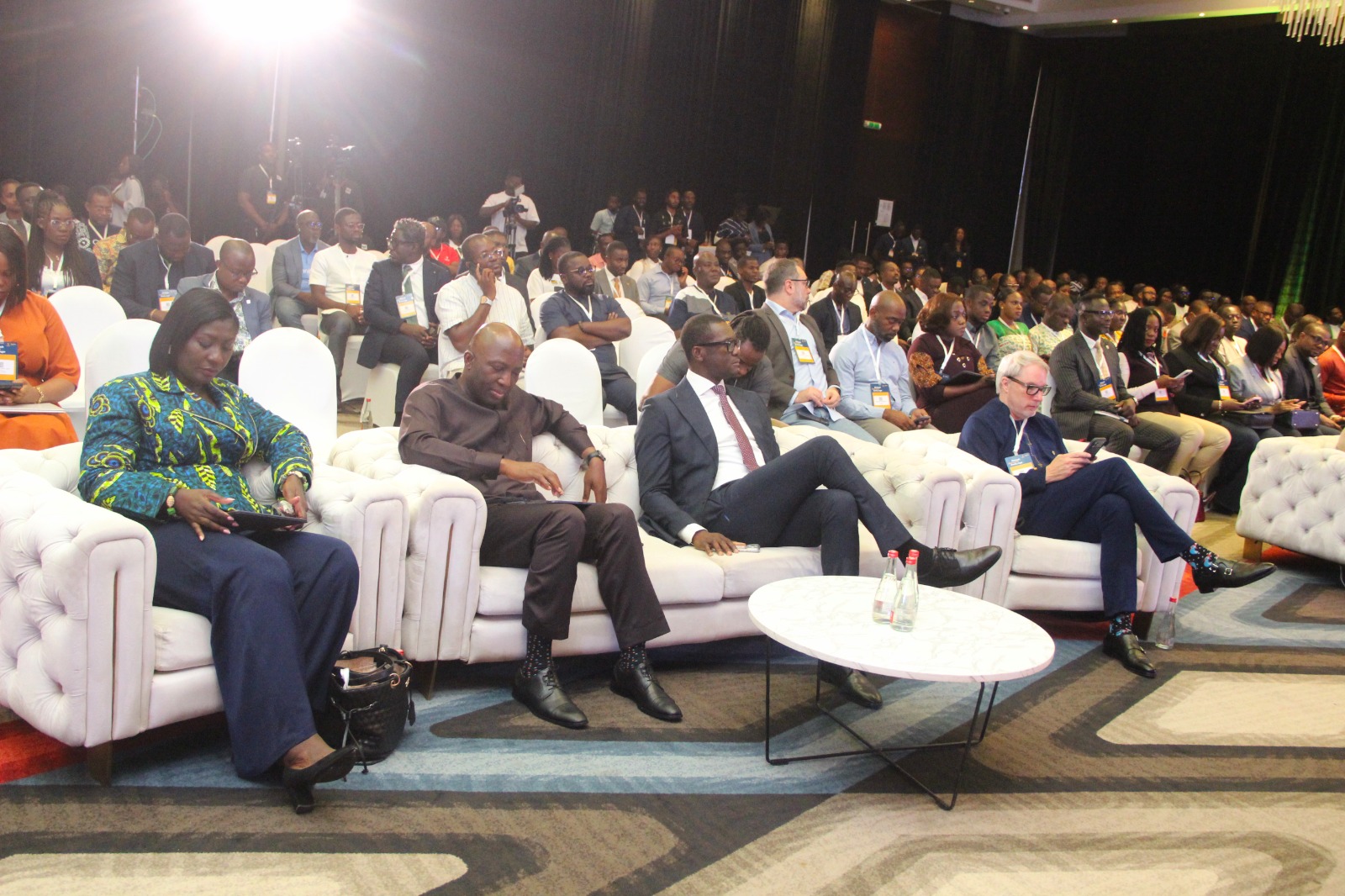
A centralised command centre, stakeholders argued, would streamline such processes, enabling law enforcement agencies to act swiftly and effectively.
Trust at stake
For industry leaders, the implications of unchecked fraud go beyond financial losses.
The Chief Financial Officer of MMFL, Susan Yawson, described fraud as a direct threat to trust within the fintech ecosystem.
“Fraud is not just a risk issue, it is a trust issue. If we do not address it collectively, it will undermine everything we are building,” she said.
Her concerns were echoed by the Senior Manager for Enterprise Risk at MMFL, Nanatunde Davies, who warned that fraudsters continue to exploit fear, urgency and trust to manipulate users.
“What you give out is your superpower. Once someone has your phone number, they only need a few more details,” she noted.
A turning point for Ghana’s fintech sector
The proposed command centre represents a significant shift in how Ghana approaches digital security — moving from isolated institutional responses to a coordinated, ecosystem-wide strategy.
If implemented effectively, it could enhance fraud detection, improve recovery rates, strengthen consumer confidence, and safeguard the rapid growth of digital finance.
As Ghana’s mobile money ecosystem continues to expand, stakeholders say the success of such a coordinated approach will be critical in ensuring that innovation is matched with security — and that the digital economy remains both inclusive and resilient.