Vice-President Professor Jane Naana Opoku-Agyemang, has called on the West African Examinations Council (WAEC) to institute stringent measures to safeguard the integrity of the examinations it administers.
This she says is an urgent challenge that needs to be tackled, with the Basic Education Certificate Examination (BECE) and West African Senior Schools Certificate Examination (WASSCE) being targeted by examination fraudsters and entrepreneurs, in a rapidely evolving world, driven by technology.
She stated that the growing incidents of examination malpractice will erode the credibility of the exams WAEC administers if not tackled head on.
According to the Vice President, “it is essential that an assessment body like WAEC, develops assessment tools that evaluate not only the knowledge students have gained, but also challenge them to be creative, critical thinkers.”
she said, also, that the future of the sub-region, largely depends on the quality of education provided today.
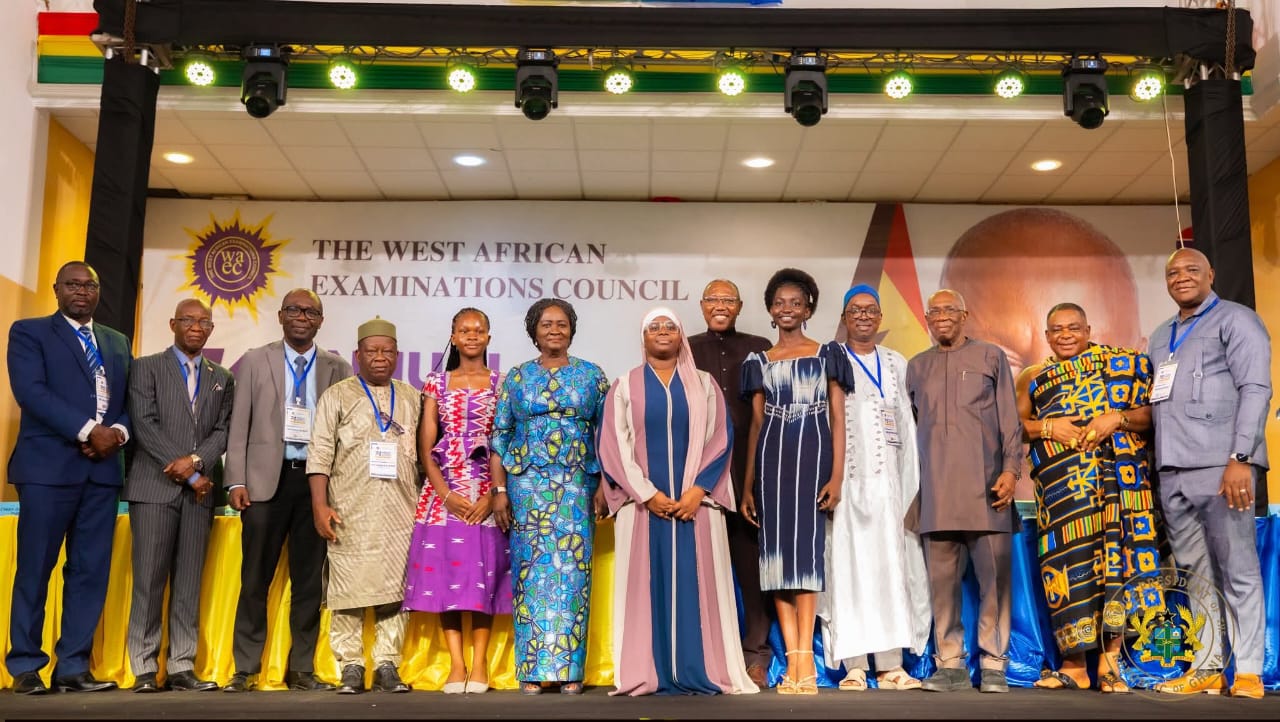
She made this call at the opening ceremony of the 74th Annual Council Meeting of WAEC held at Burma Camp in Accra.
Professor Opoku-Agyemang, was full of praise for WAEC’s seven decades of institutional resilience, describing the body as “one of the most pragmatic examples of regional collaboration on our continent.”
She congratulated WAEC for overseeing an educational system that has churned out many distinguished persons of our countries, noting that “education remains a most important tool for national transformation and regional integration.”
She however cautioned that the growing incidents of falsified results and altered certificates undermine WAEC’s mandate, a situation which if left unchecked, could erode the credibility on which the entire examination system depends.
She therefore called on all stakeholders in the education system to uphold the integrity of WAEC’s exams, reject malpractice and protect the value of the qualifications conferred.
urged them to ensure that the children of West Africa, specifically, those in the five WAEC member countries, learn the values of integrity of honesty and integrity.
“Anyone who helps a student t cheat at exams, freely aids this person, is already contributing to his future failure,” she said to loud applause.
She called on all prospective candidates to remain focused and disciplined, and resist the temptation to employ dishonest methods to pass exams.
The Deputy Minister of Education, Dr Clement Apaak, who represented the Minister, Haruna Iddrissu, revealed that Ghana had taken the necessary measures to bring her WASSCE calendar in sync with the WAEC examination calendar,
He said that exams, like the WASSCE, play a pivotal role as an instrument for forming the practical sklls that are essential for developing tehe human capital tha tare required to drive the service and productive sectors of member states’ [economies].
Dr Apaak indicated that WAEC’s WASSCE has more inclination towards credibility, compatibility, regiona collaboration, knowledge sharing and impact towards students’ competitiveness.
In view of this, and following an assessment of the Ghana-only WASSCE, Ghana will from 2026, participate in the international version of the WAEC-conducted WASSCE.
He assured WAEC of Ghana’s commitment towards exam integrity. The Minstry of Education, he revealed, is supporting the Ghana Education Service to maintain the highest standards throughout the examination period.
The Deputy Minister was hopeful that WAEC will deploy technology, and explore ways to leverage Artificial Intelligence (AI) to curb examination malpractices.
The Chairman of the WAEC Council, Professor Thomas Yormah, stated that examination malpractice remains the bane of educational assessment in WAEC member countries, with “examination mercenaries” facilitating cheating to make money at the behest of lazy candidates, whom he describes as “desperate to succeed without hard work.”
He raised concerns over the use of AI to facilitate examination malpractices, and called for greater collaboration among the stakeholders in the examination sector to “wage war” against the perpetrators of these malpractices.
He lamented the lack of action, despite previous calls to actions, a situation that has been detrimental to the young people whose certificates are subjected to rigorous scrutiny locally and internationally, due to the high prevalence of malpractice in the sub-region.
“The insidious damage being done by examination cheats, particularly to the school system,” Professor Yormah said, “I left unchecked, may manifest with grimmer repercussions in some years to come.”
Alhaji Pateh Bah, Registrar to Council, on his part, disclosed that the total number of candidates for the WASSCE increased by some 990,450, a 7.26% increase year on year.
He acknowledged the challenges posed to examination integrity by exam malpractices and stated that “the Council has continued to deploy cutting edge technology to tackle malpractices.”
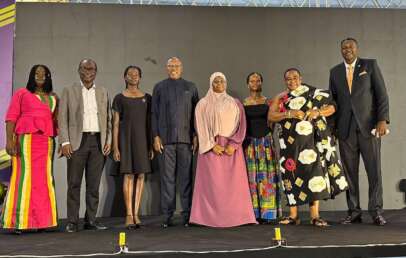
Four Ghanaians were recognised for their excellence at the the Council Meeting. It was a clean sweep at the WASSCE level, with three Ghanaian girls, Huda Suglo Suleman, Paula Adzo Elinam Sowu and Matthea Aba Andoh, receiving the International Excellence Awards for Schools Candidates, 2025.
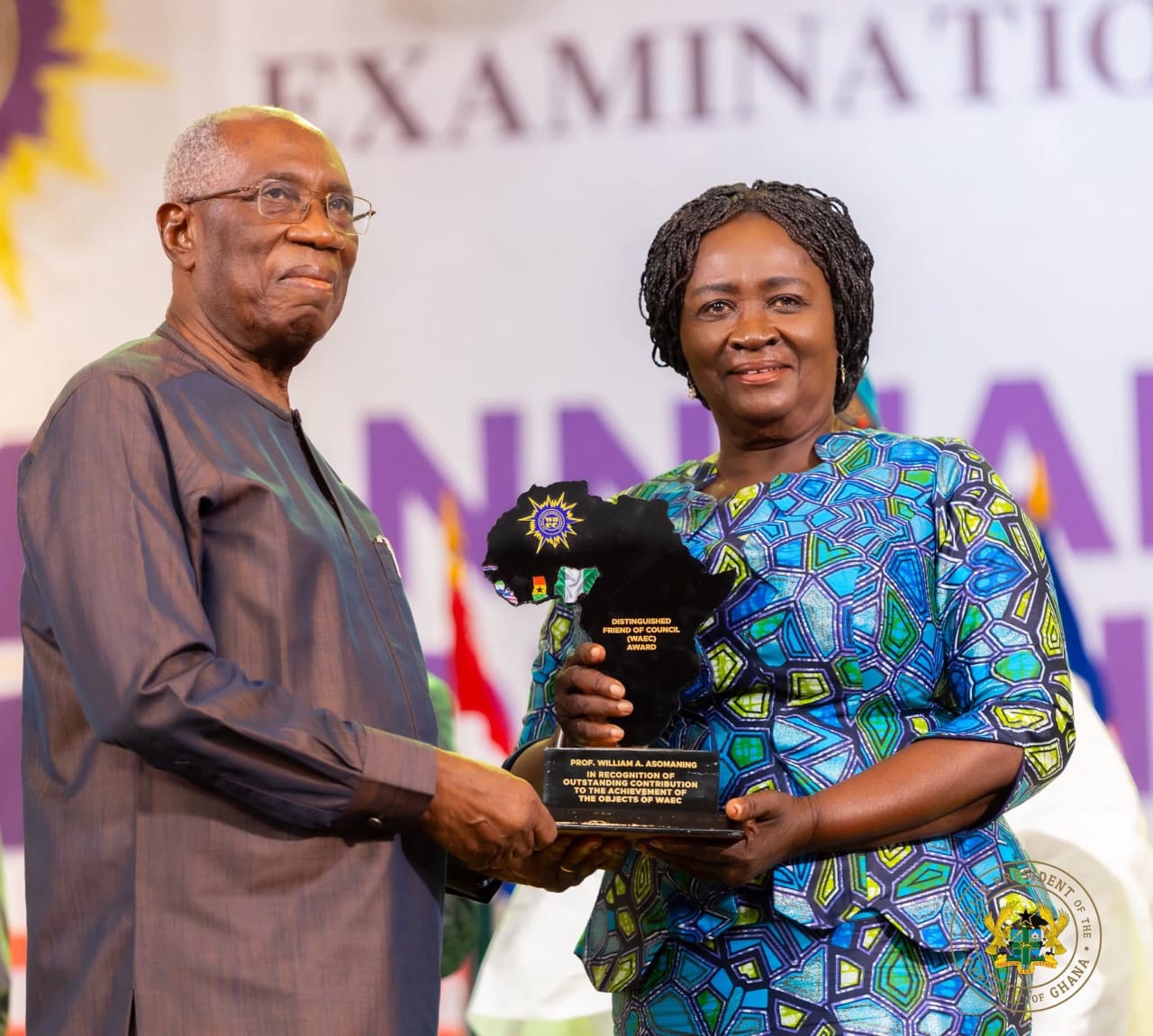
Professor William Afiakwa Asomaning, was presented with the Distinguished Friend of Council Award.