The Minority Caucus in Parliament has raised alarms over what it describes as the government’s deliberate neglect of Ghana’s rail sector, citing a meagre GH¢73 million budgetary allocation for 2026 as evidence of declining commitment to railway development.
According to the Minority, no budgetary provision was made for the sector in 2025, and the current allocation falls far short of what is required to sustain and complete ongoing and near-finished projects across the country.
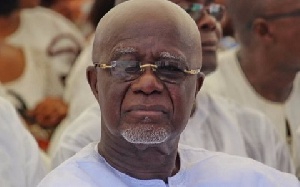
At a press conference held at Parliament House, Accra, Kennedy Nyarko Osei, Ranking Member on the Roads and Transport Committee, criticised the current administration for failing to build on the significant strides made between 2017 and 2024. During that period, Ghana invested over $1.1 billion in modernising rail infrastructure, acquiring rolling stock and constructing key lines aimed at revitalising rail transport.
“Despite these massive investments, several strategic projects have stalled under the current government,” Mr. Osei lamented. “The current situation points to a significant decline in commitment to railway development, and this is deeply concerning for a sector that requires continuity and long-term investment.”
Stalled projects and lost opportunities
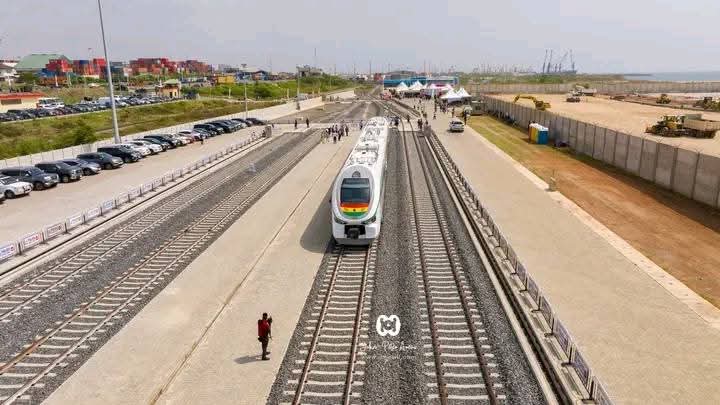
The Minority highlighted several critical projects affected by neglect Tema–Mpakadan railway line — Approximately 99% complete, yet remains non-operational, Kojokrom–Manso line — Around 95% completed, with no further progress, Manso–Huni Valley section — Left idle, with supporting infrastructure unfinished, Adum–Kaase railway project — Terminated, representing a missed opportunity to ease congestion and enhance multimodal transport in Kumasi.
Mr. Osei emphasised that incomplete complementary infrastructure, such as entry and exit terminals, threatens to render the massive investments already made largely ineffective.
“Without completing the supporting infrastructure, the operational and economic value of these railway projects cannot be fully realised,” he warned, urging government to prioritise continuity in railway development.
Implications for Ghana’s transport strategy
The Minority cautioned that the ongoing delays and underfunding are undermining Ghana’s broader railway modernisation agenda, slowing progress toward an efficient and integrated transport system.
It further noted that partially completed projects risk deterioration over time, which could escalate costs if corrective action is not taken promptly.
“The combined effect of stalled projects, delayed operationalisation, and inadequate funding is a setback for the country’s long-term transport and logistics strategy,” the group said.
Call for renewed commitment
In response to the situation, the Minority urged the government to demonstrate renewed commitment by allocating adequate resources, completing ongoing projects, and ensuring that past investments deliver their intended economic and social benefits.
The caucus also pledged to continue its oversight role and engage with stakeholders to promote sustainable and efficient transport infrastructure development across Ghana.
“Rail transport is vital for economic growth, job creation, and regional integration,” Mr. Osei concluded.
“The government must act decisively to ensure that Ghana does not squander the substantial investments already made.”